
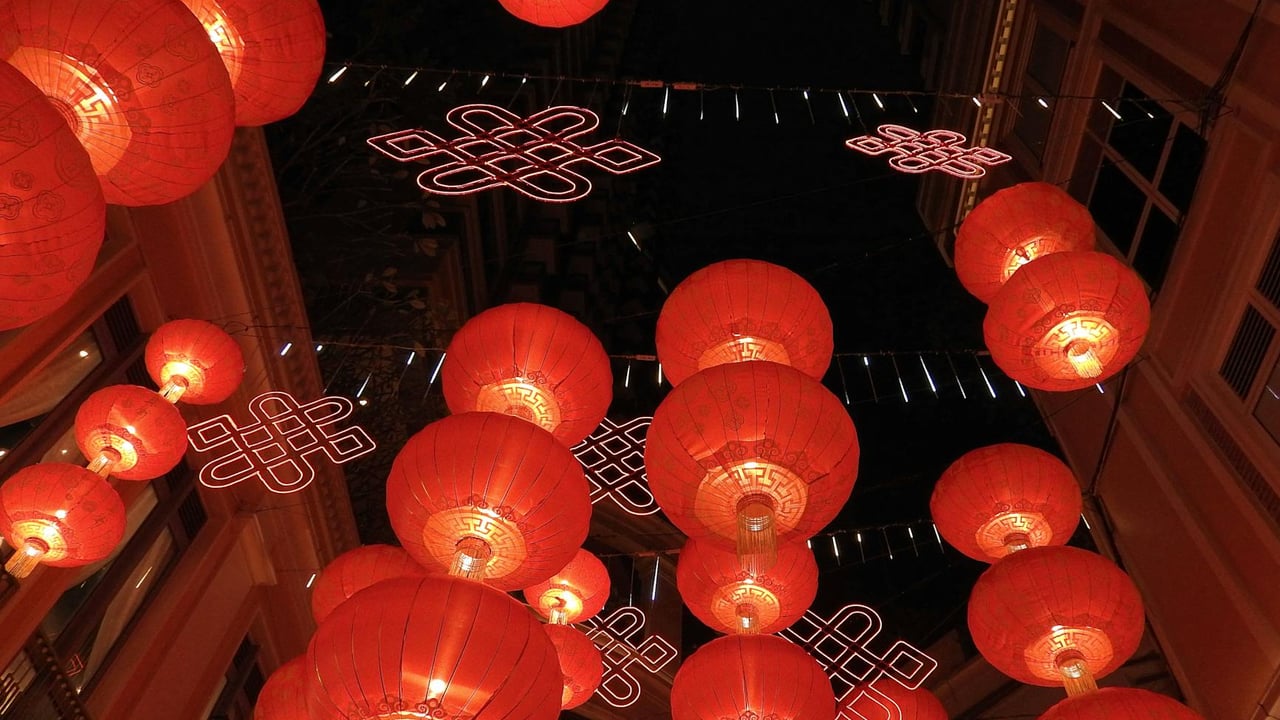

On the eve of the Lunar New Year the garrison of the People’s Liberation Army in Hong Kong released a short online film titled “守望” (Watching Over). Set to poetic lines—“the neon of Hong Kong shines; I keep watch; the taste of home is strong; I am on duty, accompanying you for the New Year”—the clip presents soldiers staying at their posts during the holiday as a form of civic companionship rather than a coercive security presence.
The piece, distributed through mainland-affiliated outlets, foregrounds emotion and duty: longing for home, quiet vigilance, and service to national unity. It uses familiar domestic-language tropes to humanize the troops and to frame their continued stationing in the city as a sacrifice made so that families can celebrate in safety. The imagery and narration aim to blur the line between military duty and public service, portraying the garrison as protector and participant in ordinary civic life.
This messaging arrives against a backdrop of significant change in Hong Kong’s political landscape. Since the mass protests of 2019 and the enactment of the national security law in 2020, the role and visibility of mainland authorities—including the PLA garrison—have shifted from a constitutionally circumscribed deterrent force to a more prominent, publicly visible symbol of stability. The Basic Law restricts the garrison from interfering in local affairs, but increased public appearances, civil-engagement activities and visible patrols have recalibrated perceptions of what their presence means on the ground.
The video serves several practical aims. Domestically, it reassures mainland and pro-establishment audiences that order is being maintained; to Hong Kong residents, it signals benign guardianship rather than intervention. Internationally, the clip is a soft-power exercise designed to preempt criticism by dressing a security posture in the language of care and duty. It is as much about shaping sentiment as it is about signaling capability and resolve.
The implications are layered. For many Hong Kongers the film may normalize the garrison’s presence and ease everyday anxieties, particularly during a festive period that emphasizes family and tradition. For critics and foreign governments, the messaging could be read as an attempt to domesticate a visible instrument of sovereignty—softening its image while leaving unchanged the legal and political realities underpinning its deployment. That disjunction—between reassuring imagery and a contested legal-political status—will remain the focal point for observers.
What to watch next is straightforward: the frequency and tone of similar outreach efforts, whether garrison activity expands into more civic-facing roles (disaster relief, public events, community outreach), and how Hong Kong political currents respond. Repeated humanizing campaigns can lower immediate tensions, but they also risk provoking a backlash if seen as eroding local autonomy. For Beijing, the calculus is to project normalcy and permanence while avoiding headline-grabbing confrontations that could revive international scrutiny.