
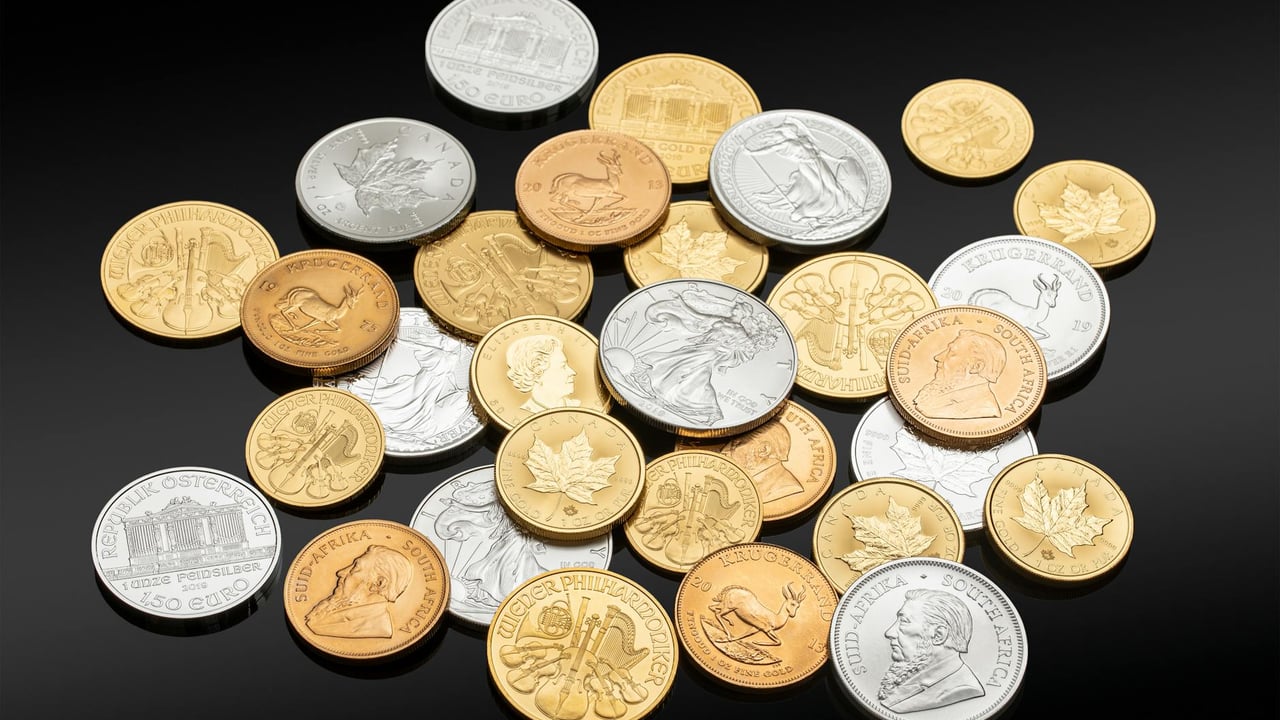

Spot gold and silver extended losses on Monday, with spot gold slipping beneath the $5,000-per-ounce mark and silver tumbling more than 2% by mid-morning in Asia. The move, reported by Securities Times e-company and syndicated on Chinese platforms, marked a notable reversal for precious metals after recent rallies that had drawn fresh investor interest.
The breach of the $5,000 level is as much psychological as it is market‑technical: it erases part of the premium investors were paying for safe‑haven protection and forces a revaluation of risk in portfolios that had overweighted gold. Traders pointed to a mix of profit‑taking, technical selling and a rotation back into risk assets as drivers behind the pullback.
Macroeconomic forces appear to be at play. A firmer US dollar and higher real Treasury yields typically weigh on non‑yielding assets such as gold, reducing their appeal compared with income‑bearing alternatives. Market participants will be watching incoming US data and central‑bank commentary closely, because signs of persistent tightness in policy or stronger growth tend to push yields up and dent bullion prices.
Silver’s larger percentage fall reflects its dual role as both a precious metal and an industrial commodity; weaker demand expectations for industry and tighter speculative positions can accentuate moves when sentiment shifts. The rout also matters for mining equities and commodity‑linked currencies: a sustained decline would compress margins for higher‑cost producers and may pressure markets in countries reliant on precious‑metals exports.
Near term, volatility is likely to remain elevated. If geopolitical tensions, inflation surprises or renewed risk aversion re‑emerge, gold could reclaim lost ground quickly; alternatively, a prolonged dollar rally and higher‑for‑longer interest‑rate expectations would keep downward pressure on prices and test the conviction of investors who bought the recent upswing.