
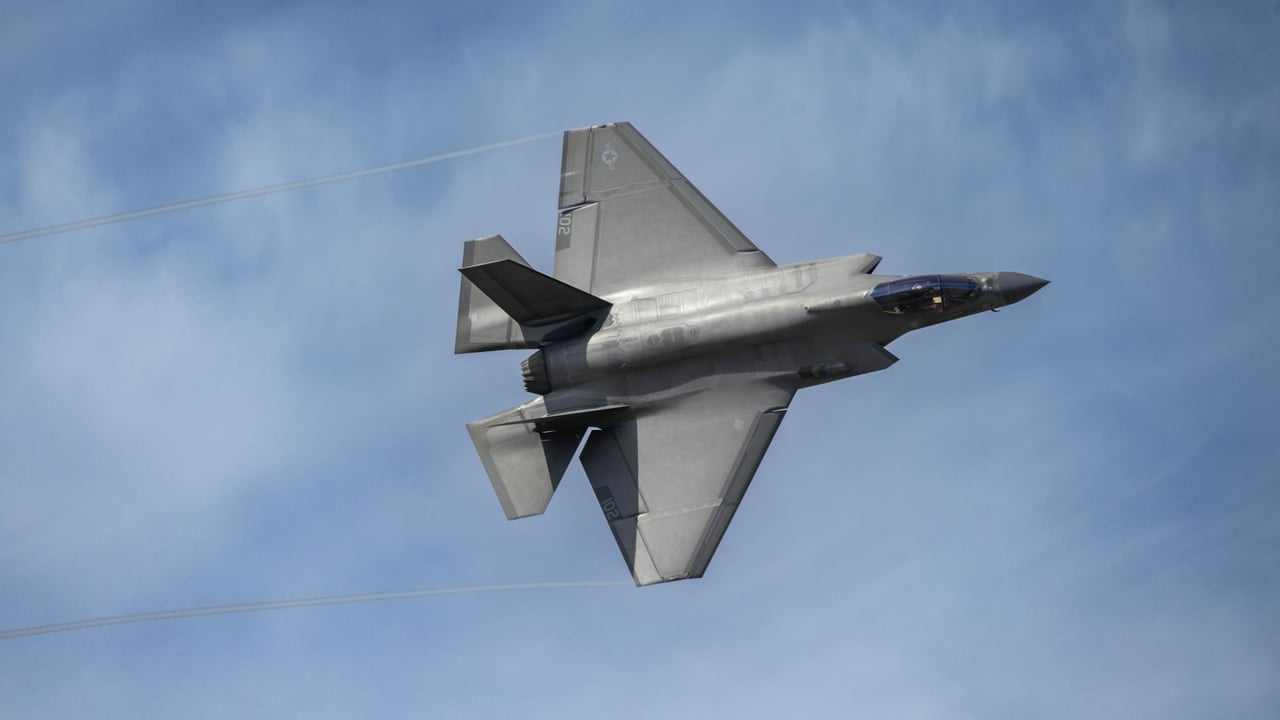

A senior Dutch defence official has suggested that the F-35's onboard software and its cloud-backed logistics system could, in principle, be modified or "jailbroken" in the manner of a hacked smartphone. Gijs Tuinman, the Netherlands' state secretary for defence, made the remark in a recent interview, saying that third-party updates might be introduced if operators were determined to do so. He did not detail how such a process would work or whether any particular vulnerability existed, and US and manufacturer responses were still pending.
Tuinman's comment lands in a sensitive political and technical terrain. The F-35 programme centrally controls software updates and maintenance through a cloud-based logistics network — originally ALIS (Autonomic Logistics Information System) and now transitioning to ODIN (Operational Data Integrated Network). That architecture gives the programme's manager and the prime contractor, Lockheed Martin, significant control over how the jet is maintained and upgraded across partner nations.
Israel remains the notable exception among operators, having negotiated the right to install indigenous software on its F-35I aircraft and to maintain a degree of base-level autonomy outside the ALIS/ODIN framework. Other partners, including the Netherlands, have experimented with limited local measures — for instance, technical firewalls or bespoke maintenance protocols — but most software reprogramming and many sustainment activities remain under US or Lockheed supervision.
The prospect of a nation unilaterally modifying F-35 flight or logistics software raises practical and political risks. Technically, even if a "jailbreak" of the aircraft's systems were feasible, replicating the full suite of mission planning, sustainment functions and secure supply chains would be hard. Politically, any such move could provoke legal action from Lockheed and diplomatic friction with Washington, potentially prompting restrictions on spare parts, updates or broader support that would risk grounding jets.
Tuinman's remarks were reported against a backdrop of rising tensions between the US and some European allies over the past several years. Pressures on transatlantic defence cooperation — including disputes over industrial access, export controls and technology sharing — have made partner governments more sensitive to questions of sovereignty and autonomy in critical defence systems. For smaller partners, the calculus of seeking greater software control involves weighing national independence against the practical assurances of a US-centred sustainment ecosystem.
The larger strategic question is whether a growing set of F-35 operators will press for more autonomous maintenance and software access or accept centralized control as the price of interoperability and a reliable supply chain. A fragmenting approach could degrade coalition readiness and complicate allied operations; at the same time, continued central control may leave operators feeling exposed to political leverage over crucial defence capabilities.