Iran Says It Has a Deal Plan but Doubts U.S. Intentions Ahead of Geneva Talks

Iran says it has a negotiation plan ready for Geneva talks with the United States but expresses skepticism about U.S. commitment, noting Washington has accepted that Iran will not be required to halt enrichment or export nuclear material. Tehran also seeks to exclude missile and broader regional issues, particularly concerns about Israel, from the nuclear agenda.

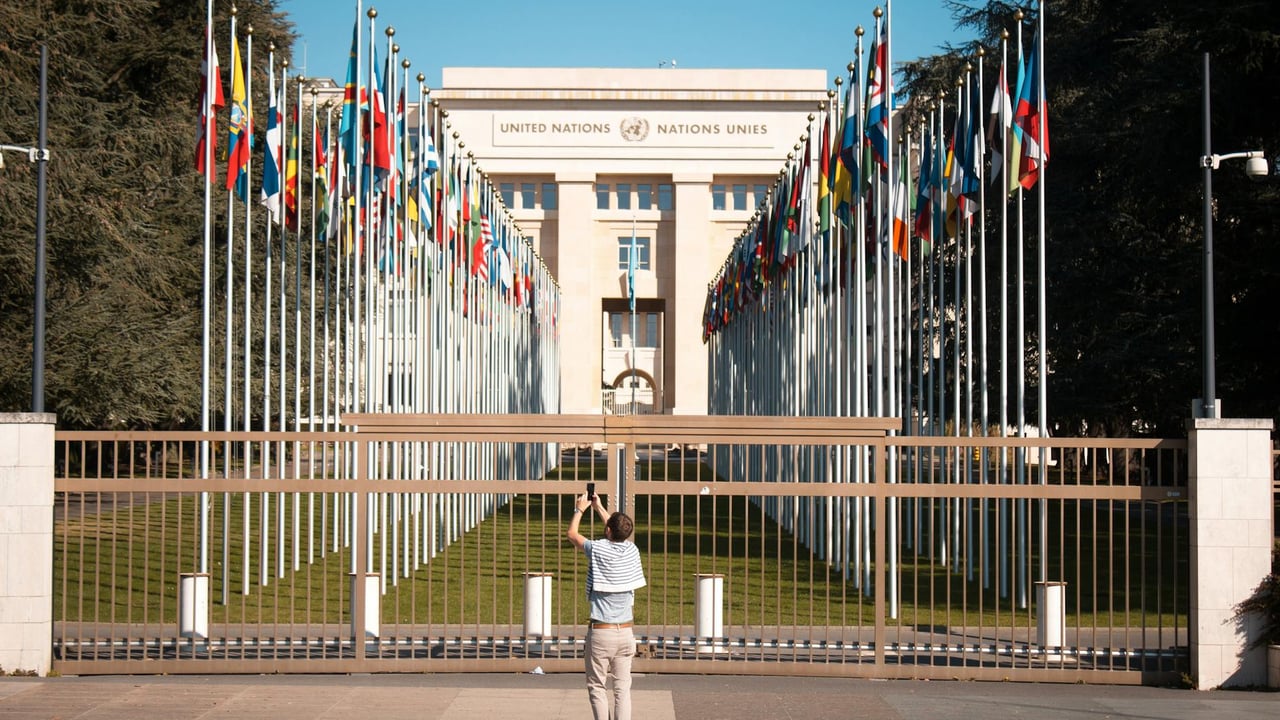
Man photographs the United Nations Office with international flags in Geneva, Switzerland.

Key Takeaways

  • 1Iranian officials say their negotiating team is prepared to present a deal plan in Geneva but are pessimistic about the outcome given U.S. history.
  • 2Tehran states the current talks do not include stopping uranium enrichment or shipping nuclear material abroad—issues it says Washington has accepted.
  • 3Iran insists missile and broader regional matters should be excluded from the Geneva nuclear talks and wants Israel addressed separately.
  • 4Deputy Foreign Minister: “The ball is in the U.S. court,” indicating Tehran expects concrete gestures from Washington to show seriousness.
  • 5A narrow interim agreement could reduce near-term proliferation risks, while a breakdown would likely intensify regional security tensions.

Editor's
Desk

Strategic Analysis

This round of Geneva talks highlights a tactical approach by Tehran: engage on nuclear verification where possible, but resist wider concessions that would touch on sovereignty, deterrence and regional posture. Iran’s insistence on excluding missiles and Israel from the agenda reflects a calculated effort to compartmentalize the negotiations and avoid concessions that would be politically costly at home. Washington and its partners face a difficult trade-off: press for a comprehensive package that includes regional security guarantees and missile limitations, risking collapse of talks, or accept a limited nuclear-focused accord that lowers near-term proliferation risks but leaves broader instability unresolved. The durability of any agreement will hinge less on technical limits than on mutual political guarantees—financial mechanisms, phased sanctions relief, and enforceable monitoring—that can survive changing domestic politics in both Tehran and Washington.

China Daily Brief Editorial
Strategic Insight
China Daily Brief

Iranian officials say they are ready to present a negotiated framework to the United States in Geneva, but warned on Monday that past U.S. conduct makes them pessimistic about the outcome. The remarks, from a parliamentary foreign policy spokesman and the deputy foreign minister, come two days before a scheduled second round of talks in Switzerland on Feb. 17.

Ebrahim Rezaei, spokesman for Iran’s parliamentary National Security and Foreign Policy Commission, said the current negotiations do not include demands that Tehran stop uranium enrichment or ship nuclear material out of the country—positions he added the U.S. side has already accepted. Deputy Foreign Minister Ali Ravanshahi repeated that “the ball is in the U.S. court,” saying Washington must demonstrate that it genuinely seeks a deal.

Iran sought to draw clear boundaries around the agenda, stating the Geneva discussions are not the forum for ballistic-missile or wider regional security disputes. Rezaei insisted that Israel, which Tehran called the principal regional problem, should be excluded from the nuclear talks and addressed through separate, regionally focused channels to safeguard the development and stability of Middle Eastern states.

The comments underscore the narrow, transactional character of the latest diplomatic effort: Iranian negotiators appear willing to engage on nuclear constraints and verification, while resisting linkage to missiles, regional proxies or political recognition of Israel. That position has been a persistent sticking point in past rounds and remains a central obstacle to a broader, more durable settlement.

For Washington and other Western capitals, the question is whether Iran’s apparent readiness to negotiate translates into verifiable limits and safeguards on sensitive nuclear activities. For Tehran, credibility remains the major issue: the memory of America’s 2018 withdrawal from the Joint Comprehensive Plan of Action (JCPOA) looms large and informs public warnings about low expectations.

If the Geneva sessions deliver even a narrow interim arrangement—curbs on enrichment levels, additional inspection access, and calibrated sanctions relief—it would buy time and reduce immediate proliferation risks. If they fail, the diplomatic impasse could harden, prompting stepped-up regional tensions and a renewed debate among U.S. allies about deterrence and contingency options.

Share Article

Related Articles

📰
No related articles found