
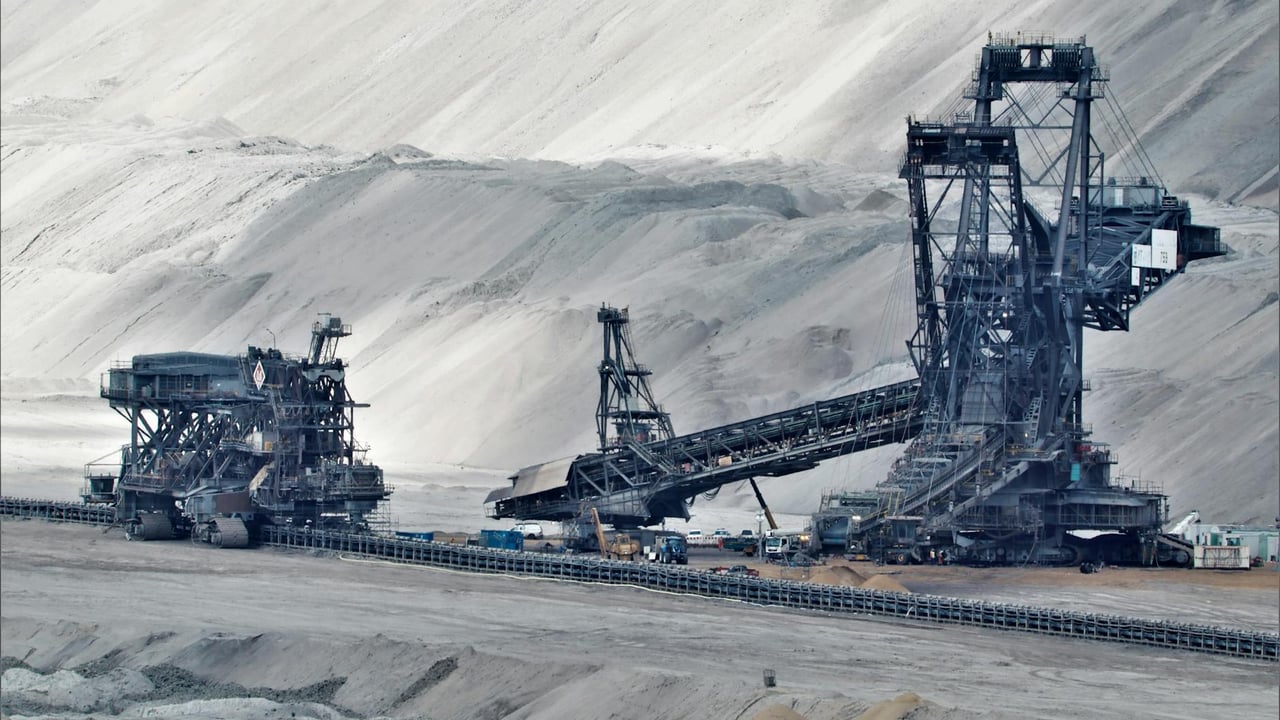

On 13 February a provincial annual meeting in Henan turned into an unlikely spectacle: employees of Henan Mining Crane Co. stood onstage and counted stacks of cash as 60 million yuan in banknotes were spread out for a 15‑minute grab. The on‑site distribution formed part of a larger year‑end payout totalling 180 million yuan — two‑thirds of the company’s reported 2025 net profit of 270 million yuan — shared among more than 7,000 staff.
The scene has resonated beyond its visual shock value because of the wider economic mood. As many Chinese manufacturers tighten belts in the face of slowing demand and rising costs, this company’s blunt redistribution — roughly 66.7% of annual net profit — runs counter to the austerity narrative gripping parts of the economy. The founder and controlling shareholder, Cui Peijun, holds about 98.88% of the firm and faces no public shareholders or quarterly market pressure; the money he handed out was, effectively, his to allocate.
The payout is not merely largesse. Henan Mining Crane operates a performance‑heavy model built around “all‑staff sales” and high commissions for front‑line sellers. The biggest cash takers were top sales performers, reinforcing a simple management logic: give large, immediate rewards to those who generate revenue, and the firm avoids chronic recruitment and training costs that bedevil the sector. Management credits this approach with maintaining near‑zero core turnover and industry‑leading per‑capita productivity across sales that reach more than 130 countries.
Beyond the headline numbers, the company has signalled a broader, paternalistic approach to labour. Cui has framed the decision as an effort to ease workers’ everyday burdens — mortgages and car loans are cited — and the firm also grants paid leave for seasonal harvests, recognising that many staff come from rural households. In doing so the company targets lower‑order Maslowian needs first: if wages and family obligations are secure, it argues, employees will commit to the firm’s higher‑level goals.
The episode matters because it highlights a practical, if personalised, alternative to the standard toolkit of messaging and symbolic benefits now common in Chinese workplaces. Cash beats rhetoric: the spectacle made clear that tangible pay and culturally attuned policies can lock in loyalty and productivity where motivational slogans fail. But the model depends on special conditions — a private firm with near‑absolute ownership and one owner willing to trade profit for retention — and therefore is not a plug‑and‑play policy for all companies.
There are also limits and risks. Committing two‑thirds of a year’s profit to bonuses leaves less for reinvestment and creates expectations that may be hard to meet during leaner years. The dramatic nature of the distribution invites scrutiny — both tax and regulatory — and could prompt competitors to emulate the headline grab without the underlying business model to sustain it. Nonetheless, in an economy where social stability and consumer confidence matter, vivid acts of redistribution by private entrepreneurs will be watched closely by managers and policymakers alike.