Precious Metals Slide: Spot Gold Drops Below $5,000 as Silver Falls Over 2%

Spot gold fell below $5,000 per ounce and silver dropped over 2% as a firmer dollar, rising real yields and softer post-holiday physical demand in Asia weighed on prices. The move underscores how macroeconomic data and monetary policy expectations, rather than safe-haven flows alone, are dominating precious-metals markets.

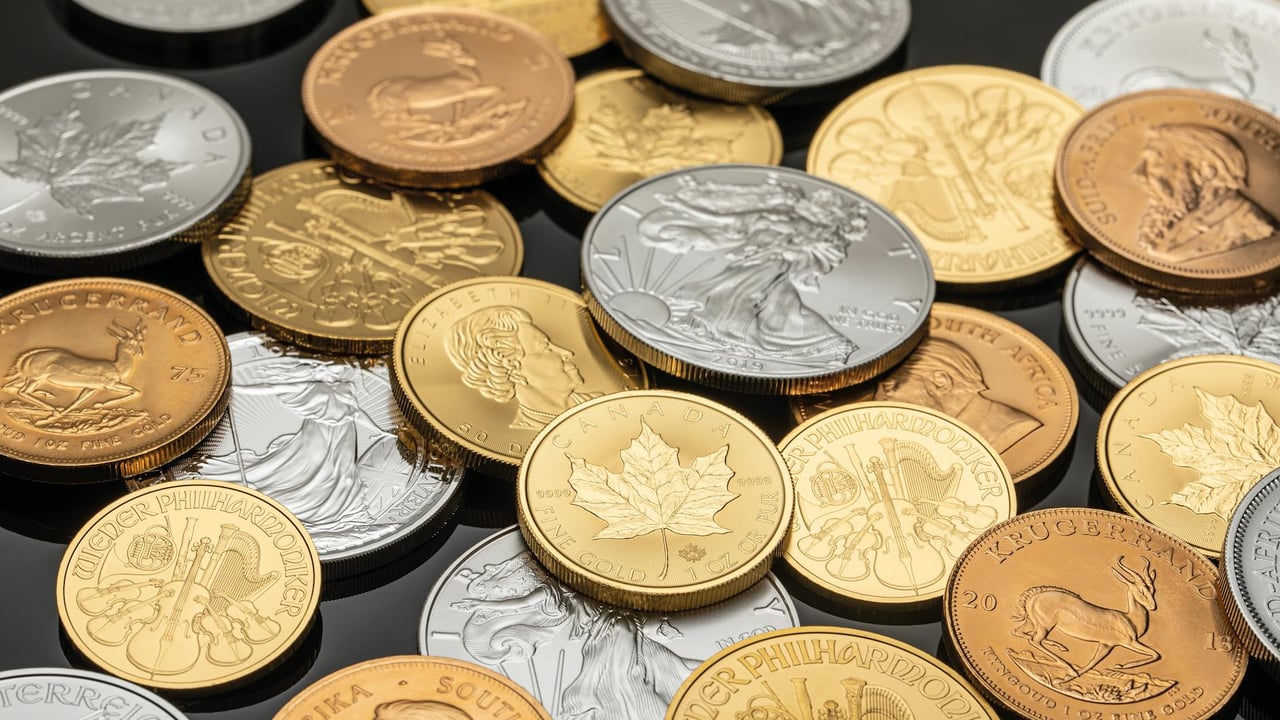
A detailed view of various gold and silver coins, ideal for financial themes.

Key Takeaways

  • 1Spot gold breached $5,000 per ounce while silver declined more than 2% during Monday trading.
  • 2Price weakness appears driven by a stronger dollar, rising real yields and risk-on sentiment.
  • 3Post-Lunar New Year softness in Asian physical demand and ETF flows amplified the downturn.
  • 4Falling metals prices pressure mining equities and could influence central-bank reserve strategies.
  • 5Key near-term drivers to watch: U.S. inflation data, Fed commentary, the dollar and any geopolitical shocks.

Editor's
Desk

Strategic Analysis

The fall of spot gold below a notable round number is as much psychological as it is fundamental. In an environment where central banks are focused on taming inflation, real yields have become the principal mover of non-yielding assets; until inflation expectations and real yields stabilise, precious metals will remain vulnerable to policy-driven reversals. For China and other large consumers, weaker prices may relieve near-term import costs and jewellery margins, but they also reduce the hedging value of bullion holdings. Investors should treat this move as a barometer of the market’s assessment of the monetary policy trajectory: a sustained decline would signal growing confidence in the disinflation narrative, while a quick rebound would suggest that geopolitical or macro downside risks are reasserting traditional safe-haven demand.

China Daily Brief Editorial
Strategic Insight
China Daily Brief

Spot gold and silver weakened sharply on Monday, with spot gold slipping below the psychological $5,000-per-ounce level and silver falling more than 2% by mid-morning trade. The move marks the latest bout of volatility in precious metals after a period of price strength, and it has prompted fresh questions about investor appetite for safe havens.

Market participants said the decline appears to be driven by a combination of a firmer dollar, rising real yields and a renewed risk-on tone in equities, all of which typically weigh on non-yielding assets such as gold and silver. The U.S. policy outlook — including any signs that central banks will maintain tighter settings for longer — remains the dominant macro force shaping metals prices.

Physical demand dynamics in Asia are also relevant. Post-holiday demand in major consumer markets such as China and India often softens after Lunar New Year activity, and any pause in jewellery and retail purchases can amplify price moves driven by financial flows. Meanwhile, flows in exchange-traded funds and speculative positioning can turn small fundamental signals into outsized price action.

The fall has immediate implications for miners, bullion-backed funds and currencies of commodity-linked economies: lower metal prices can pressure mining equities and reduce the earnings outlook for producers, while also nudging some central-bank strategies on reserves and hedging. For investors, the move highlights the continuing sensitivity of precious metals to macro data — particularly U.S. inflation and growth metrics — rather than a pure safe-haven bid.

Looking ahead, traders will watch U.S. inflation prints, Federal Reserve commentary, and the dollar’s path for clues on whether the pullback is a correction within a longer uptrend or the start of a deeper reversal. Geopolitical developments and any resurgence in safe-haven demand could quickly offset the current downtrend, but for now the market has returned to a risk-sensitive posture.

Share Article

Related Articles

📰
No related articles found