
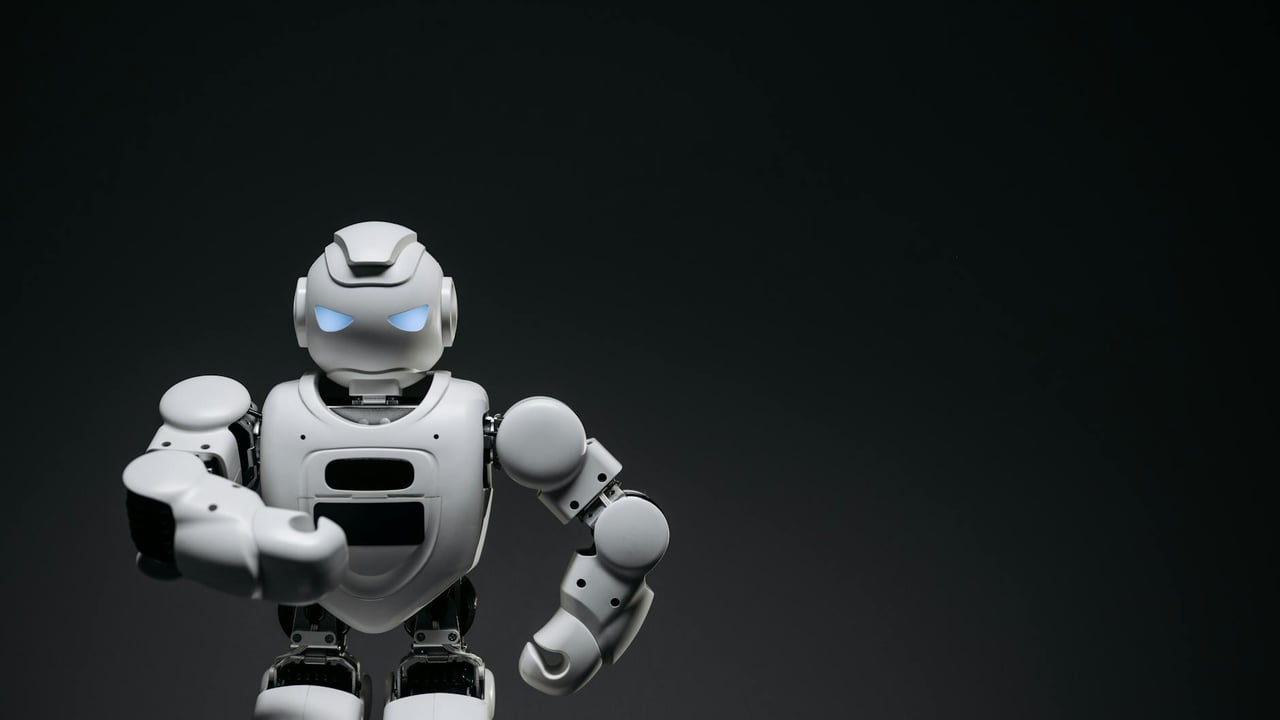

China’s 2026 CCTV Spring Festival Gala turned into an unlikely industry conference: humanoid and service robots from Magic Atom, Galaxy General, Yushu Technology and Songyan Power appeared on the country’s most-watched stage, while provincial TV galas echoed the theme. The mass, choreographed debut was as much a signal to investors as a piece of entertainment, and trading desks promptly scanned company filings to find which listed firms stand to gain from a sudden surge of public interest.
Behind the spectacle lies a dense corporate ecosystem. Several publicly traded firms have staked positions in the nascent “embodied intelligence” sector through equity investments, joint ventures, supply contracts and strategic partnerships. Chip suppliers and system integrators such as Chiplink Integration (688469.SH) have direct ties to Magic Atom through a corporate venture arm; component makers from precision gearmakers to harmonic reducers and VCSEL laser sources all appear on supplier lists.
But executives and investor-relations teams contacted by reporters offer a sober counterpoint to the halo effect. Most suppliers and investors describe their robot-related operations as nascent: pilot runs, small-batch orders and trial sampling predominate. For many listed companies the current contribution to revenue is negligible and the path to scale remains tied to partners’ development and mass-production timelines.
Concrete tie-ups are already visible. Chiplink’s VCSELs and scanning mirrors for robot LiDAR are in volume production and its miniaturized drive modules are due to ramp in early 2026. Xiaxia Precision (001306.SZ) reports established sales of precision gears and reducers to several robot makers while its ball-screw and related products are in pilot or small-batch stages. Tianqi (002009.SZ) formed a 50:50 joint venture with Galaxy General to commercialize embodied-intelligence robots for automotive and battery manufacturing, and other listed players have taken minority stakes or signed channel and distribution agreements.
The memory of 2025 still guides market psychology. Last year Yushu Technology’s humanoid dance on the same gala created a media sensation and helped spark a wave of stock-market interest in robotics. Investors and corporate strategists now watch to see whether the 2026 ensemble can translate television charisma into repeatable industrial orders, consumer demand, and sustainable margins or whether it will produce another short-lived “concept stock” cycle.
Operationally, the sector faces familiar constraints. Key mechanical parts such as harmonic reducers and joint modules remain capacity- and know-how-constrained, while battery, sensing and control electronics require steady, high-volume procurement to lower unit costs. Several suppliers warned that customer development cycles and uncertain adoption timelines make near-term revenue visibility weak and heighten execution risk.
There are encouraging signs in industrial use-cases. The Tianqi–Galaxy joint venture is explicitly targeting automotive and new-energy battery assembly — fields where robots can deliver repeatable value and where customers already accept automation costs. Strategic orders have been announced as well: a 1,000-unit booking for a new humanoid from Songyan Power, and strategic partnerships between systems integrators and listed manufacturing groups that aim to stitch together R&D, production, scenario deployment and market channels.
For global observers the show highlights China’s ambition to push robots beyond factories into public spaces and homes. It also underscores the role of televised soft power in shaping investor sentiment and supply-chain allocations. Whether this season’s gala glow becomes a durable industrial inflection will depend on how quickly companies move from demos and pilots to reliable, cost-competitive products and large-scale, repeatable commercial contracts.