
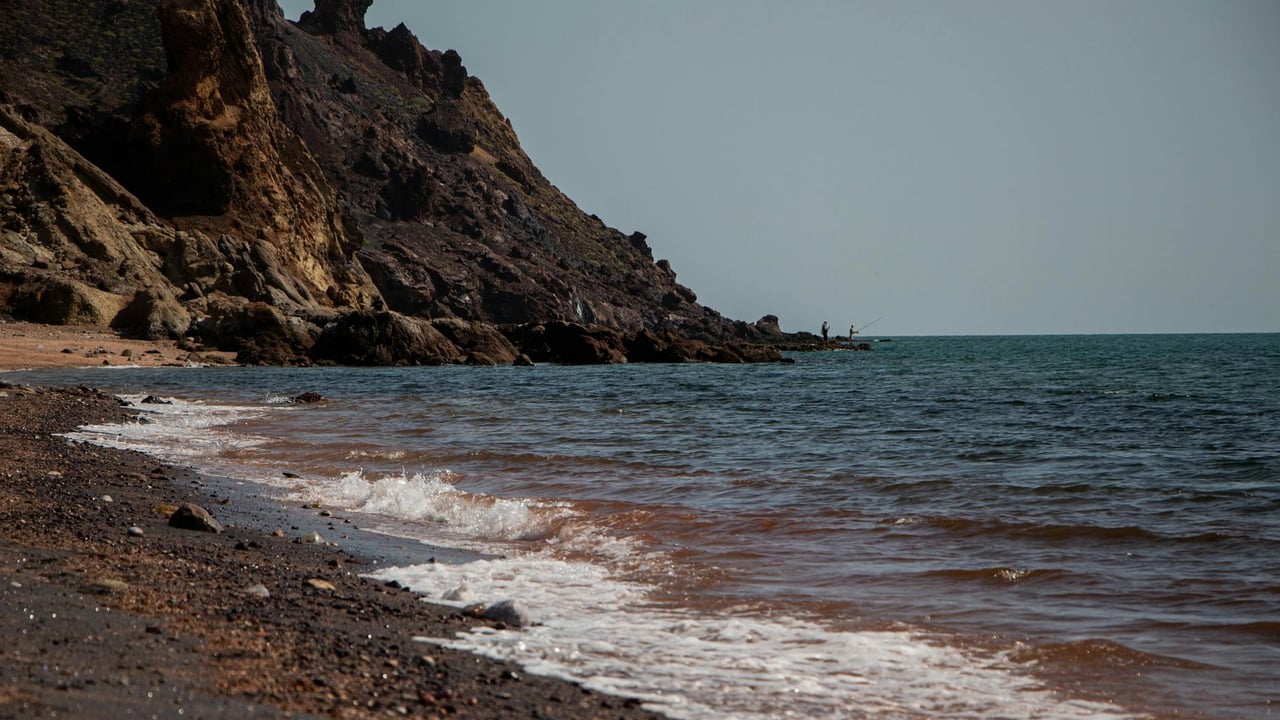

On 17 February 2026 the Islamic Revolutionary Guard Corps (IRGC) announced that the main phase of its naval exercises was underway in the Strait of Hormuz. An IRGC naval commander said the force could close the strait in the shortest possible time if required, language intended as both a demonstration of capability and a political signal.
The Strait of Hormuz is one of the world’s most consequential maritime chokepoints, through which a significant share of global petroleum shipments transit. Any credible threat to its openness immediately raises questions about supply chains, shipping insurance costs and the operational responses of extra‑regional navies that protect commercial traffic.
The IRGC operates a distinct, asymmetrical naval doctrine from Iran’s conventional navy, emphasising small fast boats, missiles, mines and unmanned systems that are well suited to contesting narrow waterways. Use of the strait as leverage has been a recurring element of Tehran’s strategy in moments of high tension; periodic drills, vessel seizures and harassing incidents in recent years have underlined the risk of episodic disruption even short of full closure.
For international audiences the announcement matters because it changes the risk calculus for shippers, insurers and states with strategic or economic exposure to Gulf energy flows. Western navies and regional partners routinely monitor such exercises, and a credible Iranian capability or intent to interdict traffic would prompt recalibrations in convoy protection, naval presence and emergency energy stockpile planning.
Beyond immediate operational concerns, the drills are political theatre. They serve domestic signalling to Iranian constituencies about regime strength, deter potential adversaries by demonstrating operational readiness, and provide Tehran with bargaining power in diplomacy and sanctions contests. The central risk is miscalculation: even limited attempts to interdict shipping could escalate into wider confrontation with the United States, Gulf states or European navies operating nearby.