
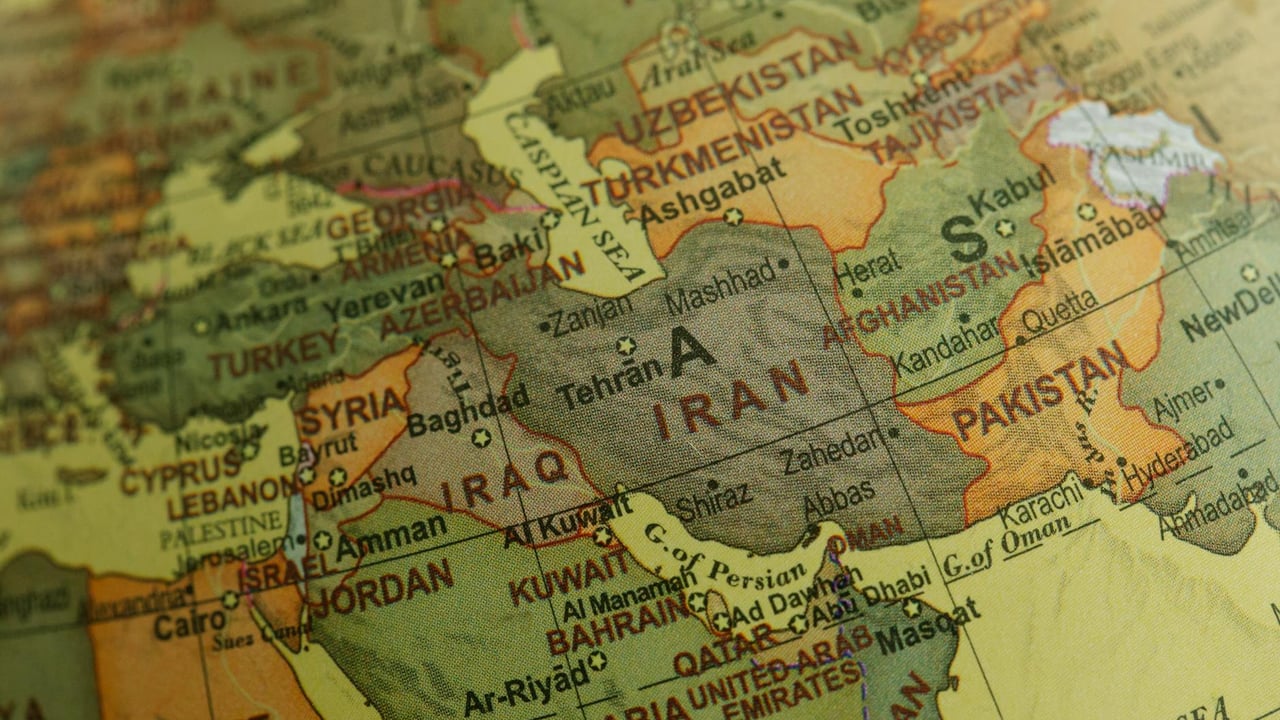

The United States has substantially increased its military presence in the Middle East in the run-up to indirect talks with Iran in Geneva on 17 February, repositioning aircraft and extending deployments as a show of pressure and a hedge against a breakdown in diplomacy. Tankers and fighters stationed in Britain have been moved closer to the region, dozens of transport flights have pushed equipment into Jordan, Bahrain and Saudi Arabia, and satellite imagery shows a dozen F‑15s at Jordan’s Muwaffaq Salti airbase. Washington has also continued deliveries of air‑defence systems and extended the tours of several units originally scheduled to rotate out, while signalling that a second carrier strike group is being dispatched to the theatre.
The military buildup frames a familiar US playbook of coercive diplomacy: combine intensified negotiations with credible threats to raise the costs of Iranian intransigence. Tehran and Washington had engaged in indirect talks in Muscat earlier this month with Oman serving as intermediary, but public posturing suggests core differences persist. By layering deterrent forces around Iranian neighbourhoods, the Biden administration is trying both to strengthen its hand at the table and to retain the option of limited military action should negotiations collapse.
The force posture is notable for its mix of capabilities. Tankers and fighters shifted from the United Kingdom shorten response times; additional air‑defence batteries are both protective and signalling tools; and two carrier strike groups in the region would give the US a potent — if escalatory — toolkit. Those deployments are not costless: host governments, logistics networks and intelligence links are now involved, and the risk of incidents rises as more platforms operate in crowded airspace and near proxy actors.
The heightened presence carries tangible risks for regional stability. Tehran can respond asymmetrically through militias in Iraq, Syria and Yemen, or by accelerating nuclear steps it believes improve deterrence. Gulf states face the immediate peril of wider hostilities and economic fallout, especially if shipping or oil infrastructure is targeted. International markets and partners will watch closely; a spike in tensions could re‑price oil and complicate the diplomatic room that European intermediaries and Gulf mediators are trying to create.
How the standoff evolves will hinge on diplomatic signals beneath the public rhetoric. If the US can couple pressure with credible incentives and back‑channel guarantees — and if Oman, European capitals or other intermediaries can provide face‑saving offers to Iran — talks may inch forward. If not, Washington’s military preparations lower the threshold for kinetic options, risking a dangerous escalation that would be costly for all parties and hard to contain.