Russia, US and Ukraine Meet in Geneva as Diplomacy Reawakens

Delegations from Russia, the United States and Ukraine met in Geneva on 17 February for tripartite talks hosted by Switzerland. While public details are sparse, the format suggests discussions on humanitarian issues, security guarantees and confidence‑building measures, with major disputes over territory and sanctions likely to constrain outcomes.

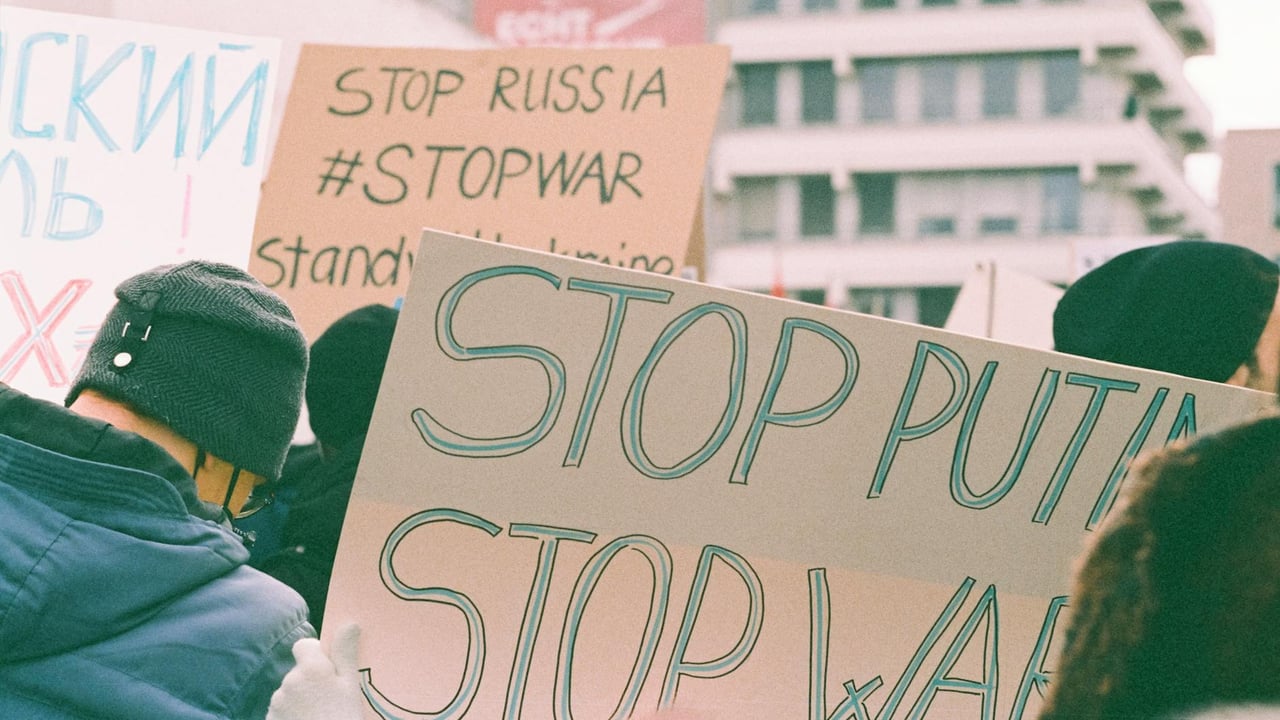
Protest signs at a rally expressing anti-war and anti-Putin sentiments.

Key Takeaways

  • 1Russia, the United States and Ukraine began three‑way talks in Geneva on 17 February, hosted by Switzerland.
  • 2The meeting is notable for direct U.S. presence alongside Moscow and Kyiv and was announced succinctly by Xinhua.
  • 3Likely agenda items include humanitarian access, prisoner exchanges and security guarantees; core disputes over territory and sanctions persist.
  • 4The talks lower immediate battlefield tensions but are more likely to produce incremental steps than a comprehensive settlement.
  • 5Geneva’s neutral setting gives all parties a diplomatic space to test compromise without committing to final outcomes.

Editor's
Desk

Strategic Analysis

The Geneva meeting is less a signal of imminent peace than a recalibration of policy instruments: Washington is signalling readiness to engage directly, Kyiv is pressing for enforceable guarantees, and Moscow is seeking leverage to ease economic pressure. Even modest, verifiable agreements emerging from Geneva could change the conflict’s tempo by creating breathing room for civilian relief and diplomacy; conversely, failure or perceptions of bad faith could harden positions and push combatants back onto the battlefield. For external actors, the practical question is whether initial confidence‑building measures can be translated into mechanisms for monitoring and enforcement—without which the talks will quickly become another layer of performative diplomacy.

China Daily Brief Editorial
Strategic Insight
China Daily Brief

Delegations from Russia, the United States and Ukraine convened in Geneva on 17 February for three‑way talks hosted in neutral Switzerland, the Chinese state news agency Xinhua reported. The meeting, captured in imagery supplied by the Swiss Federal Department of Foreign Affairs, represents a rare formal contact in which Washington sits at the same table with Moscow and Kyiv.

The public notice was concise and offered no agenda details, but the tripartite format points to discussions likely to focus on humanitarian access, prisoner exchanges, de‑escalation mechanisms and the shape of security guarantees. Fundamental disputes over territory, sanctions and political recognition will remain central obstacles to any near‑term breakthrough.

Diplomatic engagement of this kind matters because it alters negotiating dynamics. Since Russia’s 2022 invasion, talks have been intermittent and largely indirect; a Geneva meeting with the United States joining directly signals a willingness—at least tactically—to test whether measured, multilateral bargaining can produce confidence‑building measures even if core disputes persist.

The broader geopolitical stakes are high. For NATO members and EU capitals, sustained diplomacy could ease acute European security pressures, but any perception that Washington is negotiating a settlement without firm guarantees for Kyiv would spark political controversy. For Moscow, talks offer a forum to press for sanctions relief and security concessions; for Kyiv, they present both a risk of premature compromise and an opportunity to extract concrete protections.

Expectations should be modest. Tripartite sessions often yield incremental agreements—humanitarian pauses, detainee swaps, or protocols on corridors—rather than sweeping accords on territorial sovereignty. Nonetheless, the Geneva setting provides a measurable step back from exclusive battlefield confrontation toward managed, if fragile, diplomacy.

Share Article

Related Articles

📰
No related articles found