
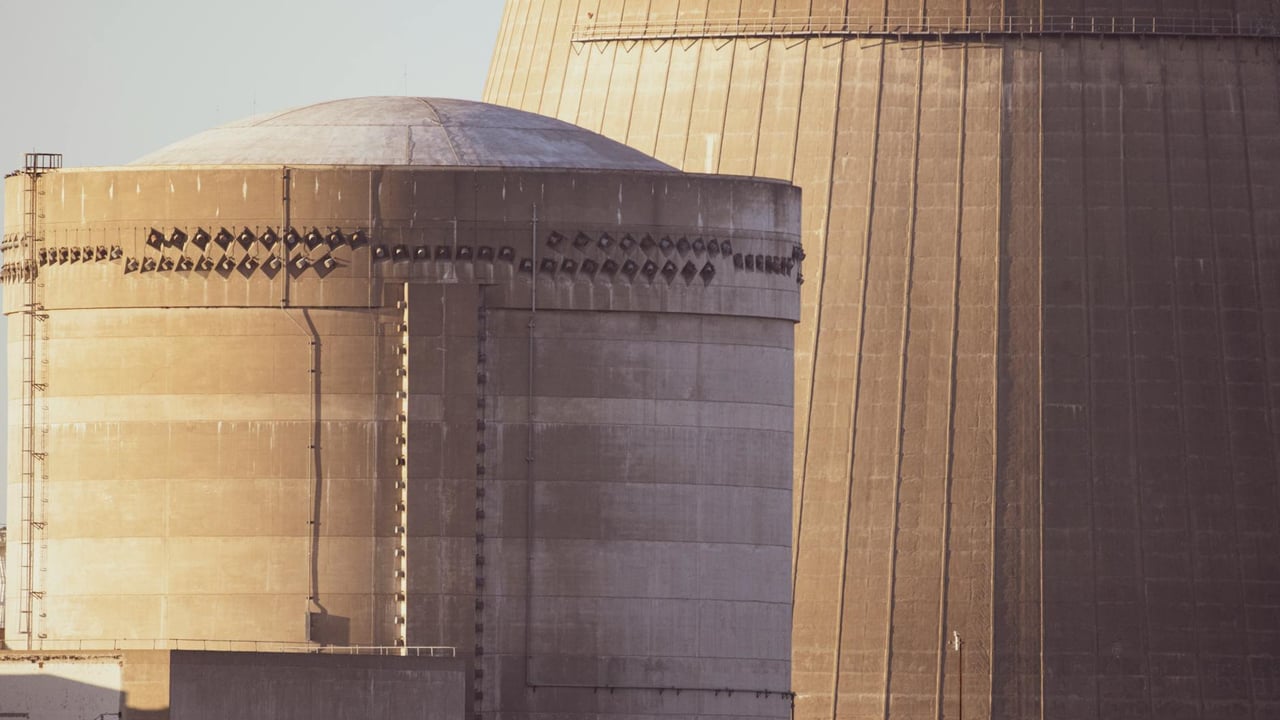

Israel’s prime minister has sought to harden the diplomatic terrain ahead of a new round of US–Iran talks, demanding that any deal go beyond a temporary halt to uranium enrichment and require the physical dismantling and removal of Iran’s nuclear infrastructure. Speaking on February 15, Benjamin Netanyahu said he had raised the demand in conversations with US President Trump and expressed scepticism about the value of the Geneva negotiations scheduled for February 17.
Netanyahu framed his position as an absolute security requirement: Tehran must be left with no uranium-enrichment capability, he said, which in practice would mean the wholesale dismantling and export of centrifuges, related equipment and facilities. That demand, if pursued as a precondition for Israeli acceptance, goes far beyond the standard architecture of nuclear rollback deals and would require extensive verification and intrusive on‑site measures.
At the same time Netanyahu pressed for uncompromising terms on Gaza’s future. Rejecting reports that a US-drafted plan might allow Hamas to retain ‘‘some light weapons,’’ he insisted the movement must be completely disarmed. Netanyahu cited an estimate that Hamas still holds roughly 60,000 rifles, along with rockets and launchers, and added that Israeli forces have destroyed around 150 kilometres of Hamas tunnel networks during the campaign.
Netanyahu also signalled a desire to change the strategic relationship with Washington over time, stating Israel’s objective to end the current US military aid package when it expires in 2028. The existing memorandum provides about $3.8 billion a year, principally for procurement from US defence contractors, and Netanyahu’s comments hint at a future Israeli calculus that seeks greater defence autonomy or a different financing model.
The Geneva talks, scheduled to begin on February 17 and reportedly to include US presidential envoy Witkof and Jared Kushner among the American delegation, will be coordinated by Oman. Israel’s pre-emptive public positioning matters because it amplifies an already difficult diplomatic balance: Washington will need to reconcile Israel’s maximalist security demands with Tehran’s insistence on national control over sensitive technologies and with international interests in preventing nuclear proliferation through negotiated limits rather than unilateral removals.
The implications are immediate and practical. Demands for physical removal of nuclear equipment are likely to be a non-starter for Iran, raising the prospect that Israeli objections could be used domestically or regionally to justify continued pressure or military preparedness. On the Gaza front, the logistics of total disarmament—verifying caches, physically removing weapons, and managing sovereignty and law and order afterwards—will complicate any ceasefire or political settlement, leaving open the possibility of renewed violence if implementation stalls.