
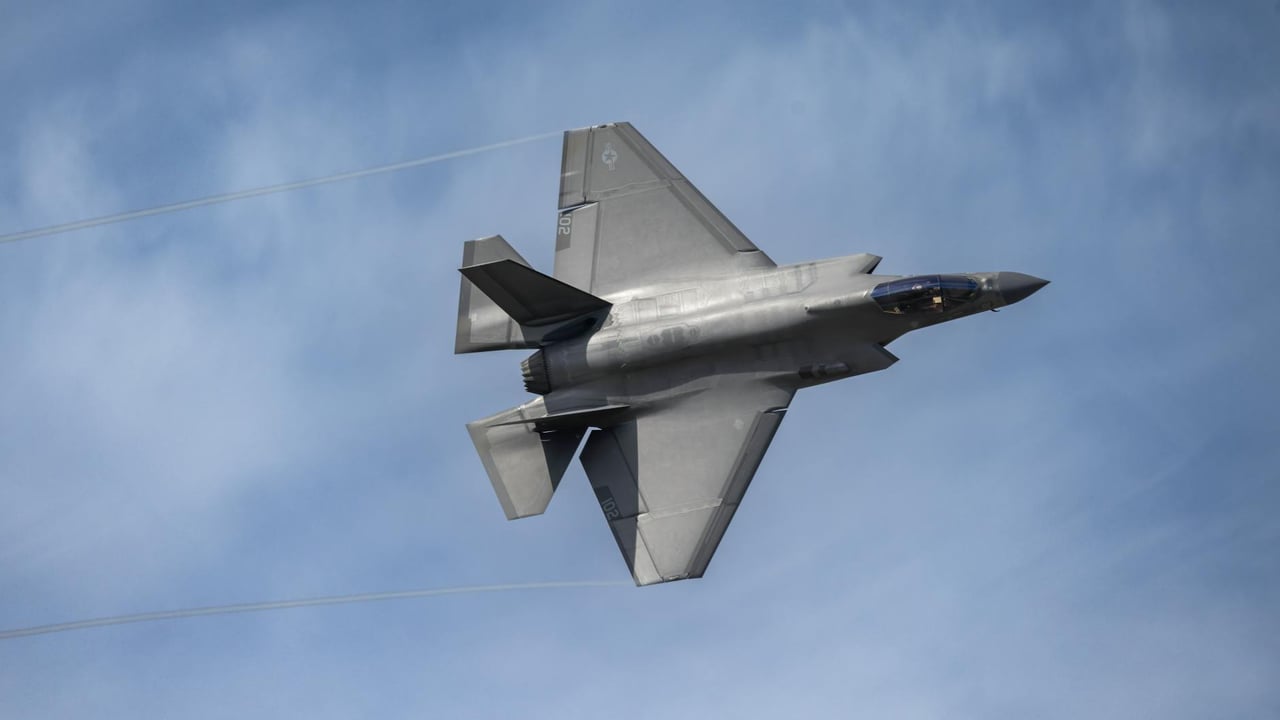

The United States Air Force has redeployed 18 F-35A Lightning II stealth fighters from RAF Lakenheath in Britain to the Middle East, departing on Feb. 16 with tanker support and flying in three-aircraft formations. This movement, one of the largest single F-35 dispatches in recent months, is a clear operational signal tied to heightened tensions between Washington and Tehran.
The F-35A is the Air Force’s most survivable tactical jet, combining stealth, sensors and networked strike capability. Sending nearly two dozen aircraft from a European base underscores Washington’s intent to surge high-end warfighting assets quickly into the region, and to reassure partners while complicating any adversary’s calculations about a potential strike or escalation.
The deployment must be read against a backdrop of repeated frictions across the Middle East over the past several years: proxy strikes, attacks on shipping and periodic confrontations between Iranian forces and U.S. or allied units have kept the region on edge. Positioned this way, U.S. fifth-generation aircraft serve both deterrent and surveillance roles; their presence raises the cost of any kinetic move by Iran or its proxies while improving U.S. situational awareness.
Logistically, the transit from Lakenheath with tanker support highlights the global reach of U.S. airpower and the continued importance of allied basing arrangements in Europe. Politically, it signals transatlantic alignment on a security challenge that has implications for energy markets, commercial shipping lanes and the broader stability of Gulf states and Israel.
The deployment reduces the margin for error. While intended as deterrence, the concentration of advanced strike platforms increases the risk of miscalculation or unintended escalation if either side misconstrues posture for imminent intent. For regional governments and global markets, the move is both a reassurance of U.S. commitment and a reminder of the fragility of the current security equilibrium.