
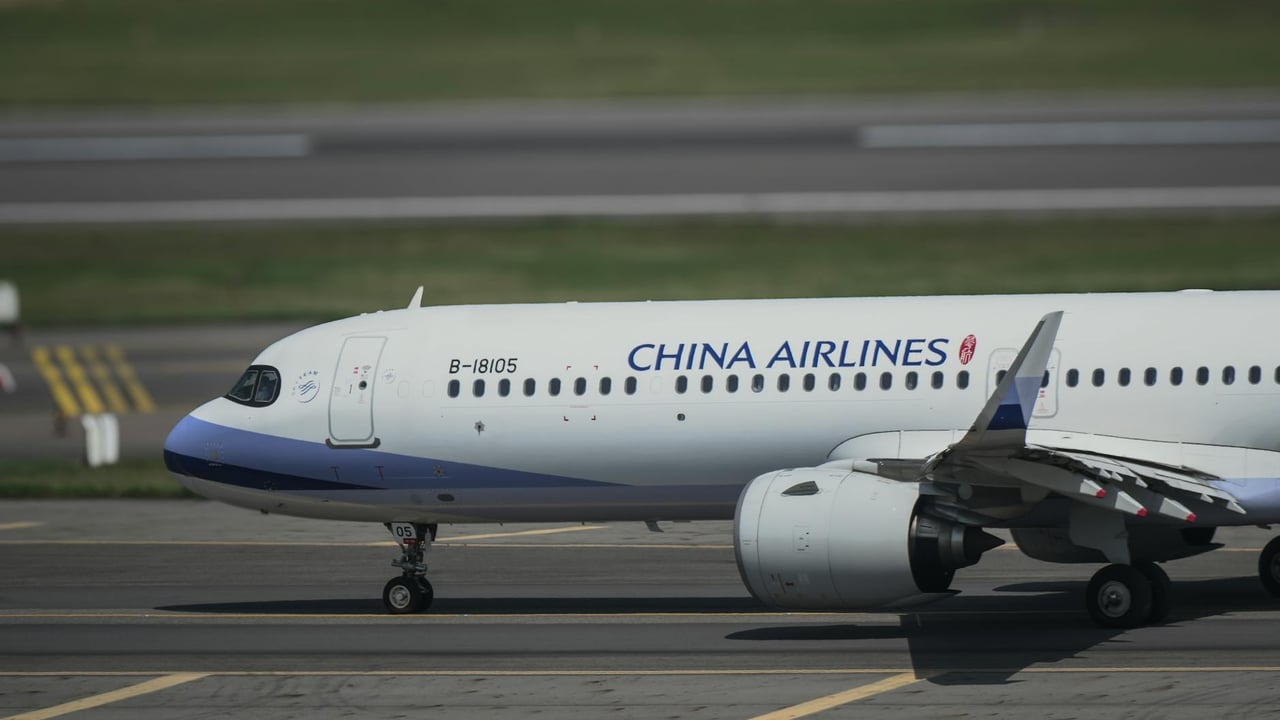

President Donald Trump told reporters on Air Force One that he has been "discussing" future U.S. arms sales to Taiwan with Chinese leaders, a comment that has rattled Taipei and prompted anxious coverage in Tokyo. Bloomberg carried his remarks on the heels of a Financial Times report that the administration is considering a new package — reportedly worth as much as $20 billion and including Patriot and NASAMS air-defence systems — a move that would dwarf last December's $11.1 billion sale.
The timing magnifies the impact. Washington and Beijing spoke on February 4, when Chinese officials warned that arms sales to Taiwan were the most sensitive issue in bilateral ties and that continued transfers could jeopardise a planned presidential visit by Mr. Trump in April. U.S. officials have since adjusted military-sales strategy and signalled heightened attention to China’s objections, deepening uncertainty in Taipei.
The substance of Mr. Trump’s wording matters because it appears to depart from a long-standing U.S. posture embodied in the 1982 "Six Assurances," one of which states that Washington would not consult Beijing before approving arms sales to Taipei. Taiwanese officials and analysts immediately interpreted the president’s comments as a potential reversal of that principle and a weakening of a key political guarantee that has underpinned cross-Strait deterrence for decades.
Japan reacted with similar alarm. Tokyo’s press and security analysts flagged the possibility that trade or broader diplomatic concessions could be exchanged for Chinese acquiescence on other issues — a fear amplified by remarks from U.S. Asia specialists who noted that no previous American president had publicly acknowledged that such consultations were taking place. For allies in East Asia, any perceived erosion of Washington’s guarantees raises short- and medium-term questions about alliance credibility.
Beyond the immediate diplomatic fallout, the remarks come as U.S. intelligence and media reporting highlight an accelerating expansion of Chinese strategic capabilities, from nuclear infrastructure to submarine production. Those shifts are reshaping how Washington weighs Taiwan relative to a broader grand-strategy goal: managing a more capable China while preserving regional stability and the United States’ global position.
If Washington does move toward formal consultations with Beijing over arms sales, the consequences could be structural. Taipei would face diminished bargaining power and new pressure to pursue asymmetric self-reliance; Congress and U.S. defence suppliers could resist any deal that appears to trade away long-standing political commitments; and Beijing could interpret concessions as a prize that reduces the costs of coercive behaviour toward the island. The next visible markers to watch are the public text of any outcome from U.S.-China dialogues, the content of Mr. Trump’s April visit, and Congressional reactions to proposed transfers.