
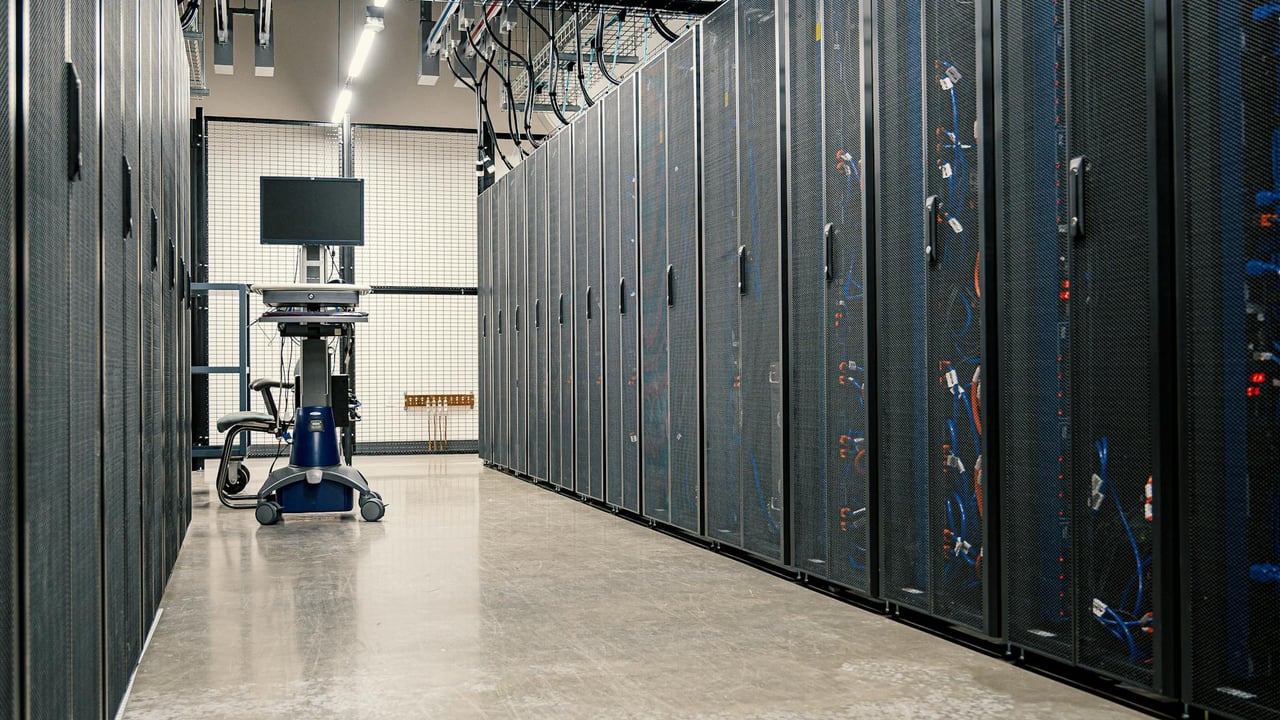

Anthropic, the San Francisco–based AI company behind the Claude family of large language models, expects to pay at least $80 billion to Amazon, Google and Microsoft by 2029 to run Claude on their cloud infrastructure. The figure — framed as a multi-year minimum — highlights the raw scale of compute and hosting costs now driving the economics of advanced generative AI.
The headline number compresses a set of realities about modern AI: large models require enormous GPU capacity for both training and inference, vast storage and networking for datasets and model artifacts, and specialised cloud services for performance, security and operational reliability. For companies such as Anthropic, which do not own global data-centre fleets at the scale of hyperscalers, cloud contracts are the only practical way to deploy commercially competitive AI systems.
The consequence is a powerful revenue stream for Amazon Web Services, Google Cloud and Microsoft Azure. Hyperscalers gain not only short-term income but also strategic leverage: hosting requirements lock AI firms into long, high-value relationships and give cloud providers opportunities to package differentiated hardware, software and optimisation services that are hard for customers to replicate.
For start-ups and challengers, the $80 billion projection is a cautionary tale. It crystallises a structural tension in the industry between model developers and infrastructure owners. Developers sell AI products and services; providers sell the compute that makes those products possible. If infrastructure costs scale with user demand, margins on deployed AI offerings could compress unless pricing or architecture changes.
The estimate also matters for the broader ecosystem. It points to sustained demand for accelerators from chipmakers such as NVIDIA, continued investment in data‑centre capacity, and fierce competition among cloud vendors to secure long-term AI customers. At the same time, it fuels incentives for hyperscalers to develop their own in‑house models or to offer bundled AI stacks that capture more value upstream.
Regulators and policymakers should take note: the concentration of compute and commercial dependency on a handful of U.S. cloud providers raises questions about market power, supply resilience and national-security sensitivities. For customers and governments outside the United States, the dynamic could complicate data‑governance choices and intensify calls for diversified or sovereign compute capacity.
In short, the headline payment projection is less a single bill than a symptom of how generative AI is reshaping the industrial map: compute has become the axis around which technological competition, corporate strategy and public policy now rotate.