
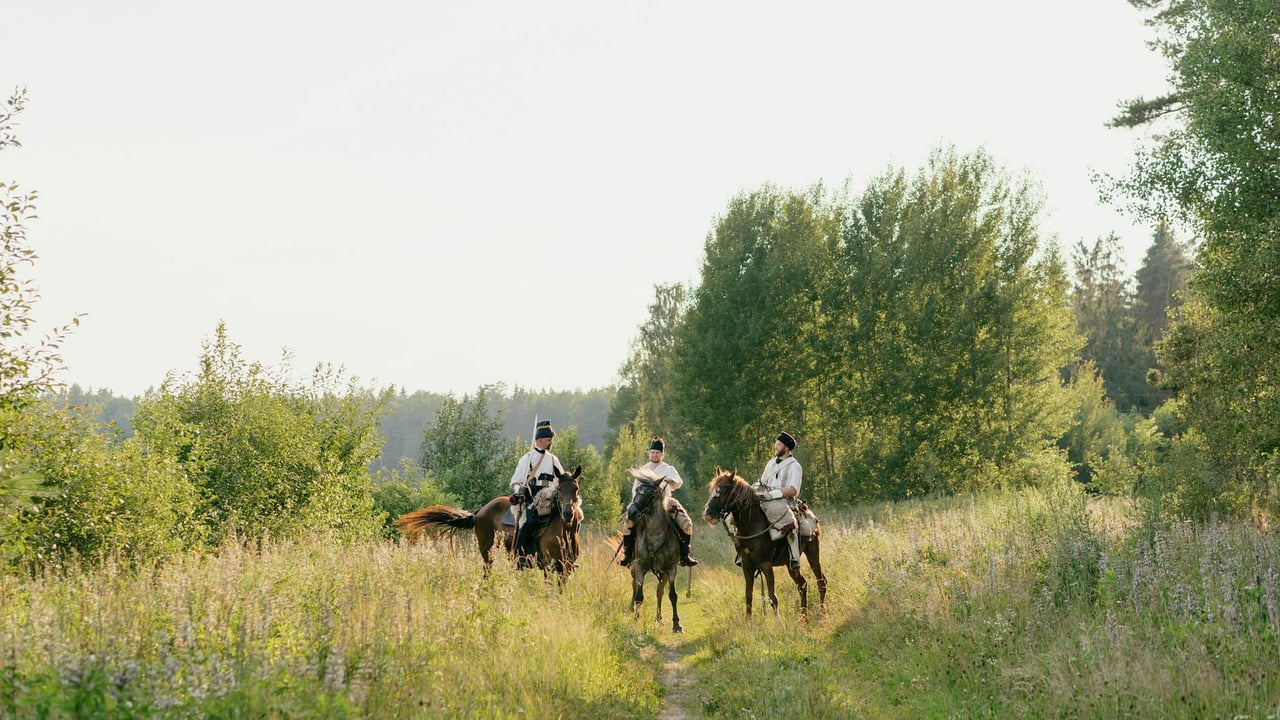

On Lunar New Year’s Eve, while millions across China gathered for family dinners, a company of the People’s Liberation Army’s 76th Group Army remained on the frozen plains of Yushu, Qinghai, tending dozens of horses through a -20°C night. Under weak stable lights, sergeants paced aisleways carrying bundles of hay, checking water and quietly calming animals that have become both partners and instruments of high‑altitude operations.
Moments later the unit — mounted, sword-bright and bundled against the wind — briefly appeared on the national spring gala broadcast, sending New Year greetings to viewers across the country. The televised vignette was small in duration but heavy in symbolism: a deliberate, emotive image of soldiers who pair traditional horsemanship with contemporary duties to reassure a domestic audience of persistent readiness.
The Yushu cavalry company is one of the PLA’s few remaining mounted units and is based at an average elevation above 4,000 metres. Its roster blends ethnic Tibetan soldiers and Han troops who perform patrols across grasslands, support disaster relief, and contribute to border-area stability — roles that keep the unit visible beyond ceremony and into everyday operational tasks in a challenging environment.
The reportage centers on ordinary rituals — night feeding every two hours, grooming, names and photographs tucked into uniform pockets — but those details illuminate broader institutional practice. Long-serving non‑commissioned officers who have spent multiple Spring Festivals on the plateau speak of an intimate, reciprocal bond with their mounts: horses that recognize handlers, that mourn departing riders, and that shape the emotional texture of service in a remote post.
Practically, horses remain useful on high plateaus where thin air, sparse infrastructure and deep snow can limit the effectiveness of mechanized transport. The unit’s routines — continuous watch shifts, patrol readiness and close horse care — are framed as part of a continuing effort to maintain mobility and resilience in terrain where wheeled or tracked vehicles can be constrained.
The timing and tone of the piece also carry a political dimension. Featuring the cavalry in a New Year broadcast functions as domestic messaging: it projects dedication, continuity and an image of the People’s Army as rooted in both modern defence and historical lineage. The presence of Tibetan soldiers in the coverage reinforces narratives of ethnic unity in frontier garrisons, while the pastoral, human-interest elements soften the military image for mass audiences.
Strategically, the story signals that the PLA values a diverse toolkit for plateau operations, combining modern training with practices rooted in local conditions. Maintaining a cavalry capability is not a wholesale alternative to mechanisation but a tailored complement for surveillance, rapid response in difficult terrain, and civil assistance — tasks that retain political as well as operational relevance in interior and border regions.
For external observers, the vignette is less an overt strategic provocation than a piece of domestic theatre with operational underpinnings. It reveals how the Chinese military cultivates public support and morale through ritualized displays, while quietly underscoring investment in high‑altitude readiness. The image of horse and rider — enduring, adaptable and visible on national television — serves both to reassure citizens and to signal that the PLA’s presence in remote areas is sustained and multifaceted.
Back in Yushu, small acts — a final look into the stable, a soldier’s photo of his wife and a black horse, a named filly called “Xiao Xue” — punctuate the account. They are reminders that amid doctrine and geopolitics the daily labor of defence in China’s highlands remains profoundly human: routine, ritualised and intended to make the nation’s farthest reaches feel less distant.