
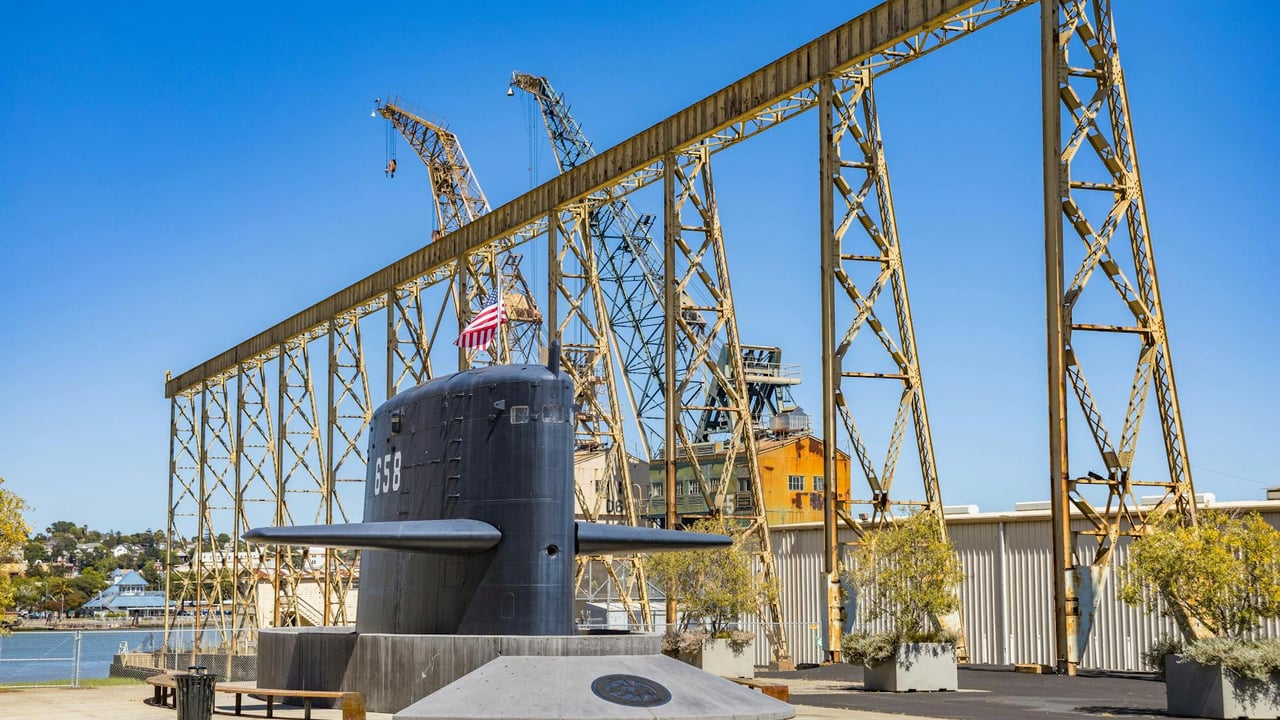

On 10 April 1963 the United States lost the nuclear‑powered attack submarine Thresher during deep‑diving trials, a calamity that cost 129 lives and left the vessel resting more than 2,500 metres below the surface. The accident occurred at the height of the Cold War, when navies were pushing submarine technology and operating limits to gain an edge beneath the oceans. The scale of the loss stunned Washington and prompted a wholesale reappraisal of submarine safety.
Contemporary Chinese-language accounts of the loss frame the sinking as the result of a sudden transit into an underwater "cliff" formed by abrupt changes in water density, a dramatic image that captures the peril of deep‑sea operations. Technical inquiries, however, reached a different conclusion: a piping failure or other mechanical fault led to flooding, loss of propulsion and reactor shutdown, after which the submarine was unable to blow ballast or arrest a controlled ascent. The result, at test depth, was catastrophic structural failure of the pressure hull.
The Thresher disaster produced immediate, concrete change. The U.S. Navy instituted the SUBSAFE program, a rigorous safety and quality‑control regime for submarine design, construction and maintenance that remains a benchmark for naval safety worldwide. SUBSAFE imposed tighter standards on piping, emergency‑blow systems, material traceability and compartmentalization, and it transformed a culture of acceptable risk into one of mandated survivability and recoverability.
Some retellings of the accident amplify the drama with claims that dozens of nuclear weapons were lost with the submarine; such assertions are unfounded in this case. Thresher was an attack submarine, not a strategic ballistic‑missile platform, and there is no credible evidence that it carried or lost 22 nuclear warheads. That said, the possibility of nuclear‑related material in submarine accidents is a genuine policy concern in other incidents and a reminder of the environmental and security stakes when nuclear‑powered vessels fail.
The episode remains resonant for modern navies. As the world’s fleets operate in deeper waters, often in contested or poorly charted regions, the combination of technical complexity and human fallibility endures. The Chinese article cites a 2014 near‑miss by a Chinese submarine identified as '372' in which crew reportedly completed emergency procedures rapidly and successfully, a story that illustrates how training and drills can avert catastrophe when equipment fails.
The Thresher story is not just an historical curiosity. It is a cautionary tale about the limits of engineering in extreme environments, the need for relentless maintenance regimes, and the political pressures that tempt states to prioritise capability demonstrations over conservative safety margins. In a century when submarine fleets, nuclear propulsion and undersea deterrents have proliferated, the lessons of 1963 remain painfully relevant.