
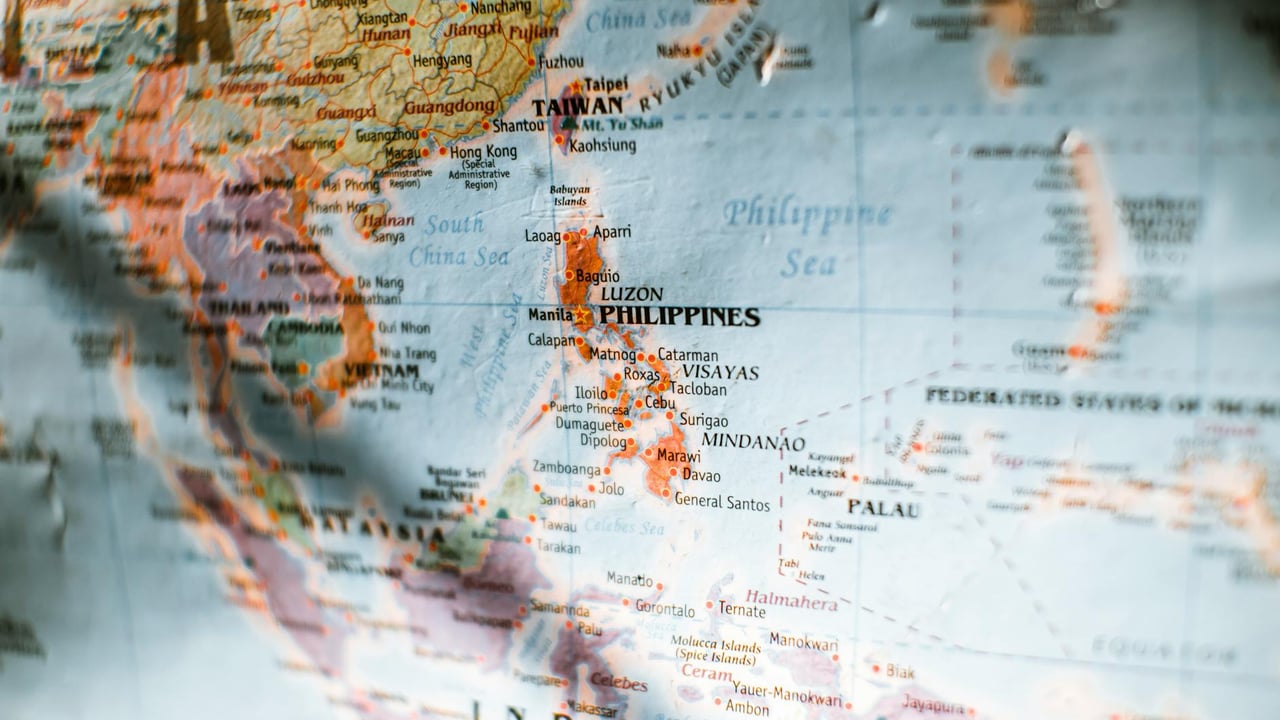

A burst of diplomatic theatre on Lunar New Year’s Eve in the South China Sea has produced more heat than fireworks. Manila staged a high-profile “multilateral maritime cooperation” exercise near the Spratly Islands and—according to Chinese accounts—deployed naval units and even abandoned two black plastic barrels close to disputed shoals, an action Beijing treated as a deliberate probe of its red lines.
China’s Southern Theater Command responded quickly, dispatching naval and air assets to the area and documenting the encounter. Beijing framed its response as measured and procedural: it recorded the Filipino vessels’ actions and elevated combat readiness rather than immediately escalating to overt confrontation, underscoring a desire to demonstrate control without appearing impulsive.
The timing of Manila’s manoeuvre is revealing. Domestic politics in the Philippines are strained: President Ferdinand “Bongbong” Marcos Jr.’s approval ratings have slipped and Vice-President Sara Duterte remains a potent populist figure. Analysts say a staged external challenge can burnish a leader’s tough-on-China credentials at home while drawing allied support, but it also risks miscalculation at sea.
Washington and Tokyo’s muted reactions were striking. Despite enduring security ties with Manila and rhetorical support for freedom of navigation, both capitals stayed largely silent in the immediate aftermath. That restraint reflects the fine balance the United States and Japan are trying to maintain between reassuring allies, avoiding direct confrontation with China, and preserving broader Sino-American economic and security interactions.
The episode highlights a recurring dynamic in the South China Sea: smaller claimant states sometimes use symbolic military gestures to signal resolve, while China meets those probes with calibrated displays of force and documentation. For Beijing, recording and publicising incidents serves both to deter further incursions and to shape international perceptions of propriety and restraint.
Longer term, the incident illustrates several policy dilemmas. Manila risks economic and strategic blowback if it escalates; Beijing is keen to show both firmness and procedural discipline; and Washington and Tokyo appear to prefer strategic management over knee-jerk commitments. The region’s stability will depend on whether these interactions become routine low-level probing or spiral into a miscalculation that draws in outside powers.