
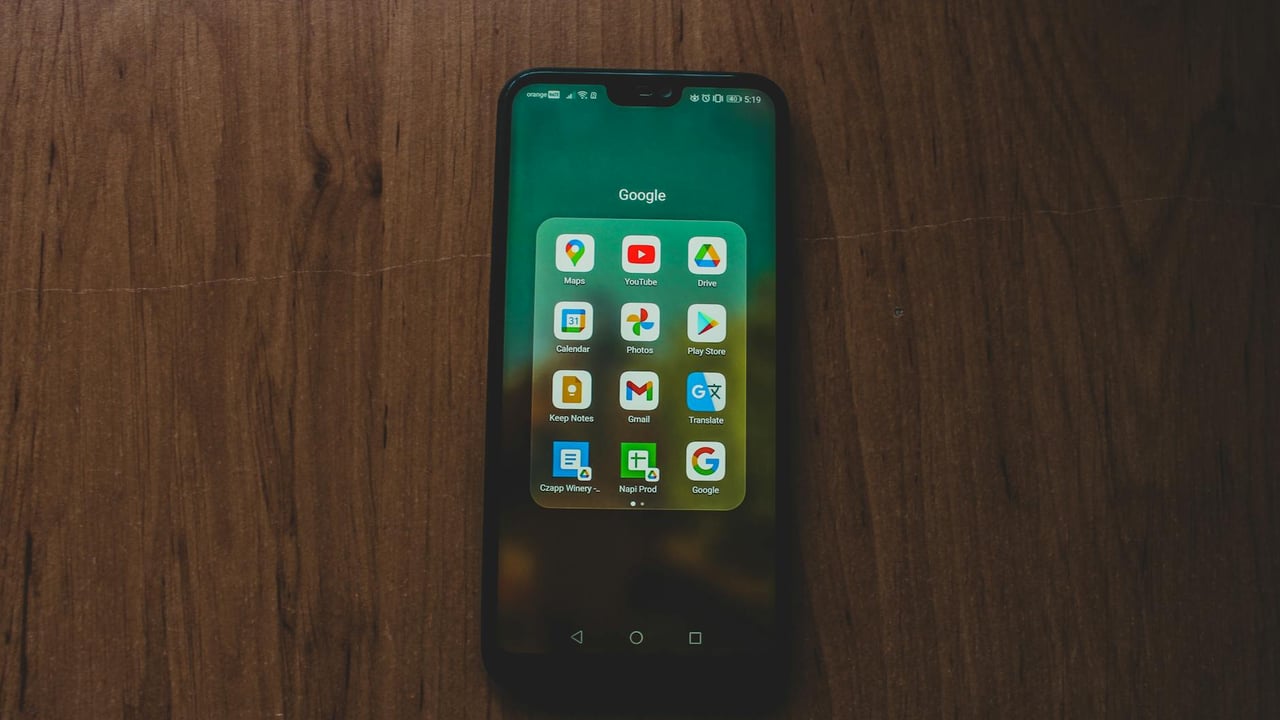

Google has introduced the Pixel 10A smartphone with a US price tag of $499, aiming to sharpen its offering in the crowded mid‑market. The announcement, reported on Chinese social platform NetEase, marks the latest move in Google’s multi‑year effort to turn Pixel from a niche showcase for Android into a sustainable hardware business.
The A‑series has become Google’s principal vehicle for reaching a broader audience: a lighter, lower‑cost variant that takes software and camera features from flagship Pixels and packages them in cheaper hardware. At $499 the Pixel 10A sits in the upper midrange bracket, where buyers expect a balance of competent hardware, polished software and selective premium features rather than flagship performance.
For consumers, the key attraction remains Google’s software advantages—regular Android updates, camera processing and increasingly, on‑device AI capabilities that the company has been integrating across Pixel devices. For rivals, the launch is a reminder that Google continues to use price‑tiered hardware to embed its services, shape user experience and, ultimately, steer the Android ecosystem toward features that favor its software stack.
Strategically, the Pixel 10A helps Google in several ways: it widens the funnel of users who experience Google’s hardware‑software integration, potentially strengthens loyalty to the Play Store and other services, and provides a more defendable position against value‑oriented competitors from Samsung, Xiaomi and OnePlus. The phone’s success will hinge not just on price but on whether Google can make the Pixel identity synonymous with pragmatic, AI‑enhanced value at scale.