
# Middle%20East
Latest news and articles about Middle%20East
Total: 109 articles found

Oman Plays Go-Between as Tehran Holds Last-Minute Talks Ahead of US Negotiations
Ahead of scheduled talks between Tehran and Washington, Iran’s foreign minister met with Oman’s top diplomat, highlighting Oman’s continued role as a mediator. The meeting signals preparatory diplomacy aimed at narrowing gaps and managing expectations, but entrenched domestic and regional constraints make a substantive breakthrough uncertain.

With Talks Set in Oman, Trump Warns of Military Strike if Iran Builds New Nuclear Sites
President Trump warned of military action if Iran builds new nuclear facilities as negotiations between the two countries were scheduled to begin in Muscat, Oman. The United States wants talks to cover missiles and regional activities, while Iran insists the agenda be confined to its nuclear programme and sanctions relief, creating a major sticking point that will test whether diplomacy can withstand heightened threats and regional pressure.
Iran Says It Has Upgraded Ballistic Missiles and Adopted Offensive Doctrine After '12-Day' War
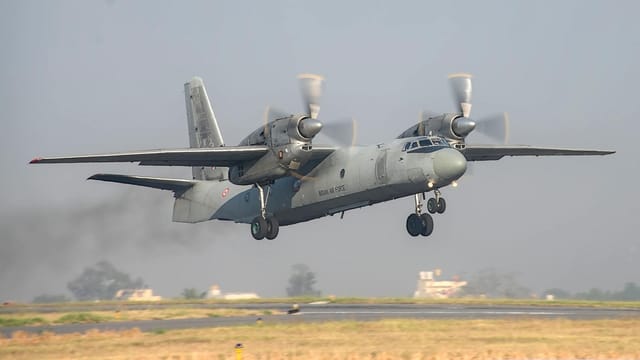
Iran announced technical upgrades to its ballistic missile forces and a shift from defensive to offensive military doctrine after last year's 12-day conflict with Israel. The move is intended to strengthen deterrence, complicate potential strikes against Iran, and bolster Tehran’s leverage ahead of planned nuclear talks with the United States in Muscat.
Trump Warns of Military Strikes if Iran Reawakens Nuclear Work, Raising Risks of Regional Escalation
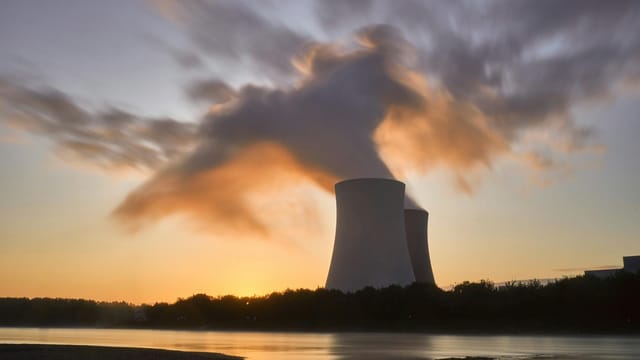
President Trump warned on February 4 that the U.S. would strike Iran if it attempted to restart its nuclear programme or build new facilities abroad, saying U.S. intelligence had identified such plans. The public threat raises the risk of escalation, complicates diplomacy and places emphasis on independent verification from institutions like the IAEA.
Stakes of Scope: Iran Insists Muscat Talks Stay Narrow as U.S. Seeks Missile Guarantees
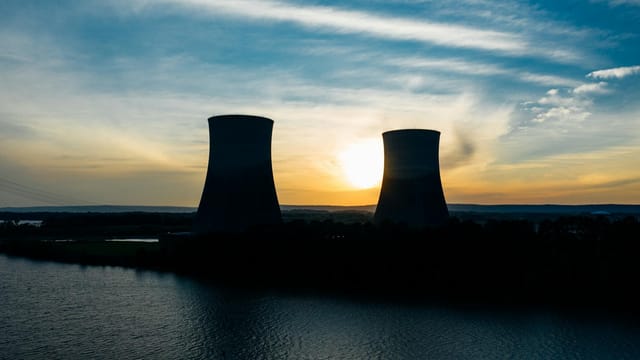
Iran and the United States will meet in Muscat to discuss Tehran’s nuclear programme, but a dispute over whether ballistic missiles should be on the agenda threatens to overshadow the talks. Tehran insists on a nuclear‑only mandate while Washington seeks broader guarantees, leaving the outcome uncertain and the regional security climate fragile.
Tehran Insists on Nuclear-Only Talks as US Pushes to Broaden Agenda
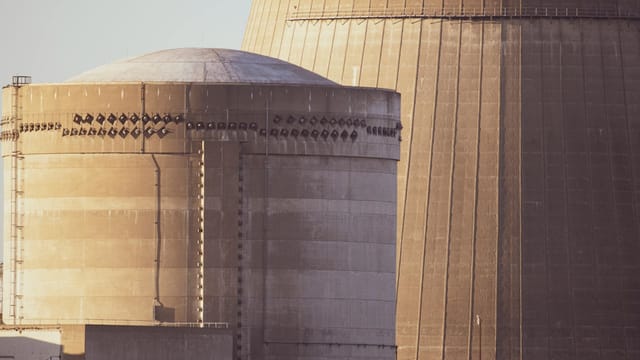
Iran and the United States are set to hold talks in Muscat on February 6, but Tehran insists the agenda be limited to nuclear issues while Washington is pushing to include Iran’s ballistic missile programme. The disagreement over scope, combined with recent military signalling from Iran, raises the stakes for a fragile negotiation that could either defuse or inflame regional tensions.
Sisi and Erdoğan Move From Rhetoric to Realpolitik as Cairo and Ankara Pledge Closer Strategic Ties
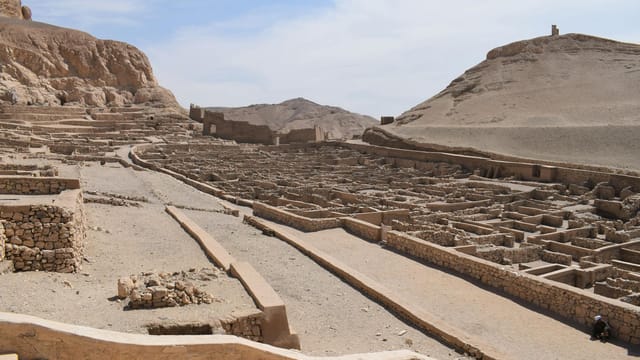
Egyptian President Abdel Fattah el-Sisi and Turkish President Recep Tayyip Erdoğan met in Cairo on 4 February and pledged to deepen strategic cooperation to address rising regional tensions. The public rapprochement between historically adversarial capitals signals a pragmatic pivot aimed at managing crises such as the Gaza conflict, Libya and wider eastern Mediterranean flashpoints.
Iran and U.S. to Hold Talks in Muscat on Feb. 6, Tehran Says — A Tentative Diplomatic Opening
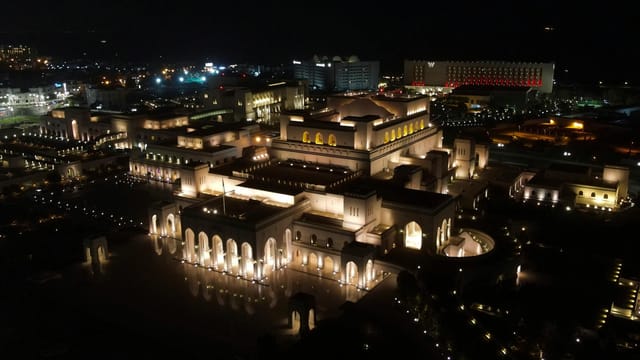
Iran’s foreign minister said Iran and the United States will meet in Muscat on Feb. 6 for talks conducted through Oman, a customary intermediary. The encounter is likely to focus on limited, pragmatic issues rather than a comprehensive settlement, serving as a test of whether the two sides can achieve small confidence‑building measures amid persistent strategic differences.

First Shot Fired: U.S. Downs Iranian Drone as Tehran Narrows Talks and Sidelines Five Mediators
A U.S. jet shot down an Iranian drone near an American carrier on Feb. 3, prompting Tehran to shift Feb. 6 talks to Oman and limit the agenda to nuclear issues while excluding missiles and proxies. The move signals Iran's reluctance to accept broad concessions without sanctions relief and narrows the role for regional mediators, increasing the risk of miscalculation.

Trump’s Iran Gamble: Bluster, Bargaining and What It Means for China
President Trump’s simultaneous threat of force and offer of talks toward Iran reflects deliberate brinkmanship intended to maximize U.S. leverage. Tehran remains resistant on core issues such as ballistic missiles and regional influence, and a military campaign would carry heavy regional and global costs that complicate any claimed benefits for China.

Talks Open but Trenches Deepen: U.S. and Iran Signal Willingness Amid Stark Differences
Both Washington and Tehran have publicly signalled willingness to enter talks on nuclear, missile and proxy issues, but deep disagreements over demands, sequencing and verification make successful negotiations uncertain. Military posturing and strict U.S. conditions fuel Iranian scepticism, leaving the region under continued diplomatic and security strain.

Trump Signals Willingness to Negotiate With Iran While Repeating Military Threats
Donald Trump said he hopes the U.S. can reach an agreement with Iran while emphasising U.S. naval strength and warning of military consequences if talks fail. Iran says it remains confident indirect negotiations are productive, insisting on sanctions relief and the right to peaceful enrichment amid a tense regional military backdrop and recent U.S.-Israel coordination.