
# Rafah
Latest news and articles about Rafah
Total: 9 articles found
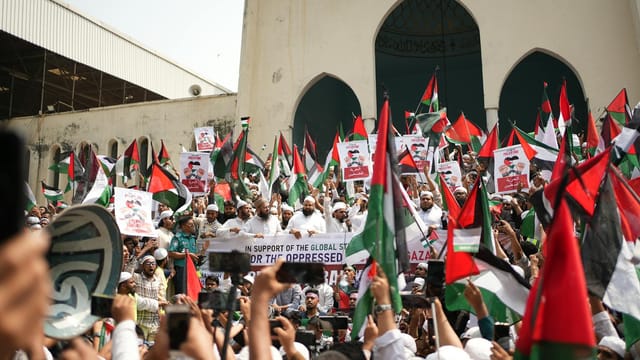
Renewed Israeli Strikes Strain Fragile Gaza Truce as Death Toll Tops 72,000
Renewed Israeli firing, demolitions and airstrikes in central and southern Gaza have wounded civilians and are being described by Palestinian authorities as violations of a truce that came into force last October. Gaza health officials report mounting casualties since October 2023, underscoring how fragile the ceasefire is and how quickly localized incidents can threaten a wider collapse in the pause of hostilities.
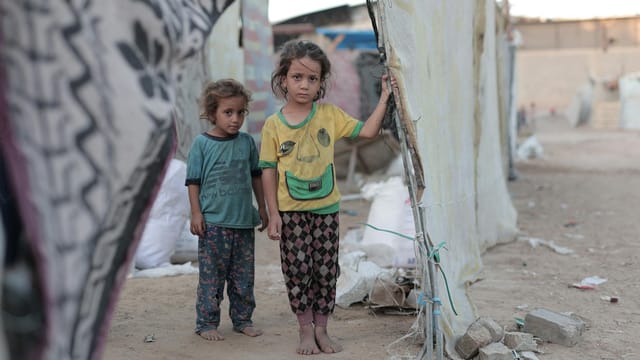
Rafah’s Partial Reopening Leaves Over 20,000 Patients Stranded as Gaza’s Medical System Collapses
Gaza’s health ministry says Rafah’s limited reopening is insufficient, leaving over 20,000 patients, including cancer, cardiac and renal disease sufferers and critically wounded people, unable to exit for treatment. The ministry appealed for international pressure to fully and permanently reopen the crossing as Gaza’s hospitals struggle to treat complex cases.
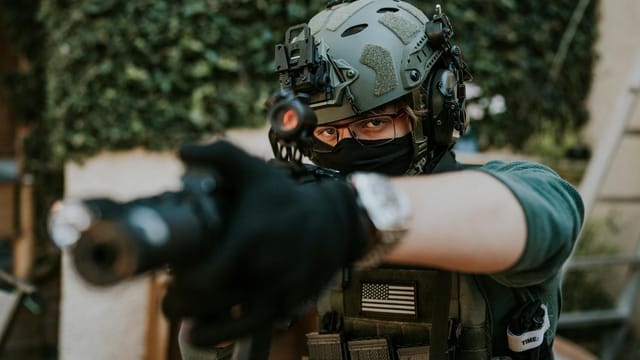
Israeli Chief of Staff Visits Rafah, Signals Readiness to Shift from Defense to Offensive
Israel’s chief of staff visited Rafah and declared Hamas “militarily defeated,” while warning the IDF is ready to switch from defensive to offensive operations and announcing a new 38th Division. The visit underscores Israel’s preparedness for further ground action in Gaza and raises the risk of escalation around sensitive border crossings and displaced civilian populations.
Deadly Tunnel Clash in Rafah Tests Fragile Gaza Ceasefire, IDF Says It Killed Four Fighters
The IDF says it killed four armed men who emerged from a tunnel and fired at troops in Rafah, calling the attack a violation of the Gaza ceasefire. The incident highlights the persistent threat posed by Hamas tunnel networks and raises doubts about the durability of the truce and the capacity to verify compliance under difficult conditions.
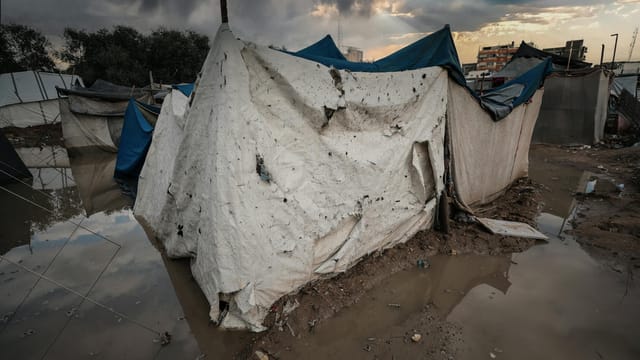
Defiant Flotilla to Reattempt Gaza Aid Run, Raising Prospect of New Confrontation with Israel
A coalition of activists plans to send over 100 ships and thousands of people to try again to deliver aid to Gaza starting 29 March, while a parallel convoy will attempt to reach Rafah via Egypt. The renewed flotilla risks confrontation with Israel, legal disputes over blockades and further diplomatic escalation involving South Africa, Egypt and European ports of departure.

Rafah Crossing Reopens in Limited Fashion, Easing Gaza's Humanitarian Strain
The Rafah crossing between Gaza and Egypt reopened on February 2 for a limited number of two-way passages after being closed since May 2024 when Israeli forces took control of the Palestinian side. The move facilitates urgent medical evacuations and limited staff movement but remains constrained by security, infrastructure and diplomatic coordination, so broader humanitarian relief is not guaranteed.
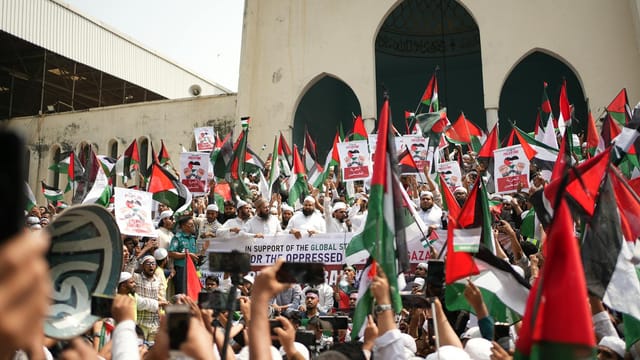
Hamas Warns Any Conditions on Rafah Opening Would Breach Gaza Ceasefire
Hamas said on February 1 that any Israeli imposition of obstacles or conditions at the Rafah crossing would breach the Gaza ceasefire, urging mediators to oversee Israeli actions. Gaza authorities warned the mechanism for reopening remains unclear, with over 18,000 people in need of treatment outside the enclave; Israel conducted a one‑day pilot opening and said the crossing would formally open the following day.
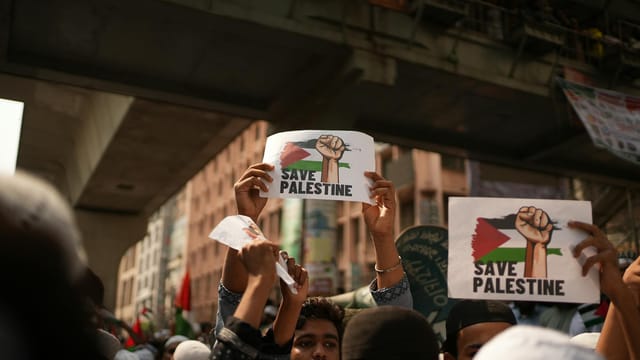
Israel Says It Destroyed a 4 km Hamas Tunnel in Southern Gaza as Rafah Finds Fuel Concerns Over Militancy
The Israel Defense Forces say they have destroyed an approximately four‑kilometre Hamas tunnel complex in southern Gaza and released video of the operation. The IDF also reported finding weapons, explosive devices and rocket launchers in Rafah after a firefight that killed six militants; Hamas has not commented.
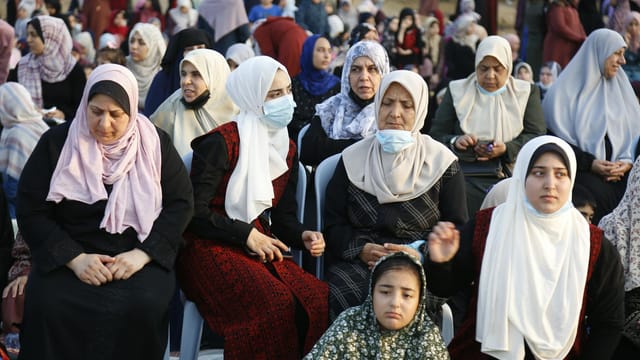
Caretakers Under Occupation: Gaza’s New Technocratic Committee Faces an Impossible Mandate
A 15‑member technocratic committee has been formed to manage Gaza’s civil affairs and Hamas has signalled willingness to hand over administrative authority. The committee may improve day‑to‑day services but lacks political power, security means and guaranteed funding, leaving the core issues of occupation and disarmament unresolved.