
# Sanae%20Takaichi
Latest news and articles about Sanae%20Takaichi
Total: 36 articles found
Slovak Lawmaker Criticises Japan’s Takaichi as Threatening One‑China Consensus and Regional Stability
Michal Bartek, vice‑chair of Slovakia’s parliamentary Defence and Security Committee, condemned remarks by Japan’s prime minister Sanae Takaichi as irresponsible and dangerous for challenging the One China principle. He warned that confrontational rhetoric risks destabilising East Asia and reflects Tokyo’s growing alignment with Washington at the expense of regional and economic interests.
Japanese Peace Groups Warn Takaichi’s Rhetoric and Rearmament Push Threaten Regional Stability
Japan’s leading domestic peace group has condemned Prime Minister Sanae Takaichi’s comments and policy direction on nuclear options and expanded offensive capabilities, warning they breach postwar consensus and could heighten regional tensions. The group also urged Tokyo to confront its wartime past to avoid repeating historical aggression.
A Costly Gamble: Japan’s Takaichi Retreats After US Demand for Bigger Defence Bill
Japan’s prime minister, Sanae Takaichi, quietly scaled back hawkish rhetoric after a visit from a senior US defence official who urged Tokyo to boost defence spending toward 5% of GDP. The encounter exposed the strain between Washington’s demand for greater burden‑sharing and Japan’s domestic politics, while Beijing’s export controls and military pressure limit Tokyo’s room for manoeuvre.
Tokyo’s Taiwan Rhetoric and Robot Dogs: Why Beijing Sees a Dangerous Mix of Electioneering and Militarisation
Japan’s prime minister sparked Beijing’s ire by saying Tokyo and Washington would jointly evacuate citizens in a Taiwan crisis, prompting Chinese accusations of remilitarisation. The dispute unfolds amid U.S. efforts to balance deterrence with stable ties to China and Japan’s procurement of unmanned “machine dogs”, which signal a low‑risk military transformation that may alter crisis incentives.

UN Showdown Over Taiwan: China Confronts Japan After Cabinet Minister’s Threat to Consider Force
A comment by Japanese cabinet minister Sanae Takaichi — that Japan should consider force if U.S. troops were attacked in a Taiwan contingency — provoked a sharp rebuke from China at the UN Security Council. Beijing used the forum to frame Tokyo’s rhetoric as dangerous and tied to domestic political manoeuvring, intensifying regional strategic tensions and complicating U.S.-Japan alliance management.

China’s Maritime Pressure Forces Tokyo to Pull Back as Tension Swells Around Senkaku/Diaoyu
Beijing’s intensified maritime enforcement around the Senkaku/Diaoyu islands and renewed East China Sea development have led Tokyo to privately advise its fishing fleet to withdraw from contested waters. The stumble of conservative politician Sanae Takaichi, whose hawkish comments have eroded domestic support, highlights how external pressure is feeding internal political strain in Japan and complicating the U.S.-Japan-China triangular relationship.

Beijing Rebukes Japan’s Sanae Takaichi, Says Tokyo Has ‘No Right’ to Intervene in Taiwan
China’s foreign ministry publicly rejected Japanese prime minister Sanae Takaichi’s suggestion that Tokyo and Washington could act together in the event of a Taiwan Strait crisis, saying Japan has "no right" to interfere. Beijing invoked post‑war treaties and historical grievances to frame Tokyo’s remarks as irresponsible and a threat to regional stability.
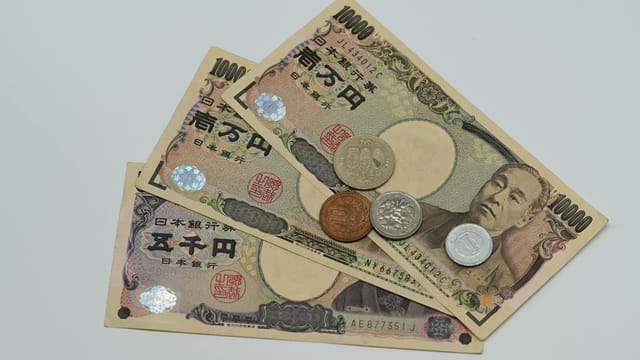
Tokyo Signals Action as Markets Bet on U.S.–Japan Co‑ordination to Support the Yen
Japan’s prime minister warned of decisive action after the yen reversed sharply, a move traders linked to a New York Fed inquiry that many read as a precursor to coordinated U.S.–Japan intervention. While coordination could calm markets in the short term, analysts say it would not resolve the deeper fiscal and bond market imbalances that are driving yen weakness.
Japan’s Quiet Rearmament: How a Surge in ‘Security Aid’ Is Remaking Its Regional Role
Japan’s OSA security‑aid programme has expanded rapidly in scale and scope, with the 2026 budget jumping to 18.1 billion yen and recipient lists growing across the Indo‑Pacific. Originally framed as non‑lethal capacity‑building, OSA is being used to normalise overseas defence ties, create defence industrial linkages and potentially open the door to more offensive exports if legal constraints are loosened.

Global Markets Plunge as Greenland Standoff and Japanese Fiscal Shock Trigger Risk Aversion
Global markets sold off after a U.S.–Europe standoff over Greenland and a surprise Japanese fiscal pledge sent investors fleeing risk. U.S. equity futures plunged, precious metals set records, and Japanese long-term yields spiked as bond auctions drew weak demand ahead of a looming election.

Japan Signals Landing Plan on Diaoyu/Senkaku; China Answers with Armed Coast‑Guard Patrols
Local Japanese calls for a landing “environmental survey” on the disputed Diaoyu/Senkaku islands have coincided with intensified China Coast Guard patrols, raising the risk of miscalculation in the East China Sea. Domestic politics in Tokyo and Beijing are hardening positions, while the United States’ security role and regional responses will shape whether tension spirals or is contained.
Japanese Senator Warns Takaichi’s Nuclear Talk Risks Regional Stability
Senator Kōra Saya has publicly condemned recent remarks by a senior Japanese politician advocating debate over acquiring nuclear weapons, saying they threaten regional stability and violate Japan’s postwar constitutional and non-nuclear commitments. The episode highlights a growing domestic debate over security policy that could have far-reaching implications for the U.S.-Japan alliance, regional arms dynamics, and non-proliferation norms.