
# commercial%20space
Latest news and articles about commercial%20space
Total: 31 articles found
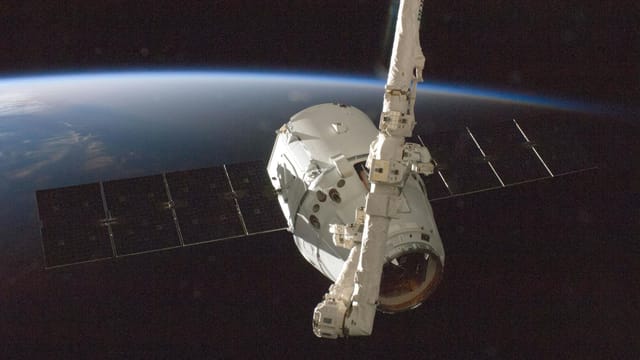
China’s Guoxing Unveils Ambitious Orbiting AI Supercluster — 2,800 Satellites to Power ‘Silicon‑Based Agents’
Guoxing Aerospace has revealed plans for a 2,800‑satellite space compute network aimed at serving autonomous ‘silicon‑based’ agents and large AI models, with initial nodes already launched. The programme promises low‑latency global compute via laser‑linked low Earth orbits but faces substantial technical, economic and geopolitical hurdles before it can scale.
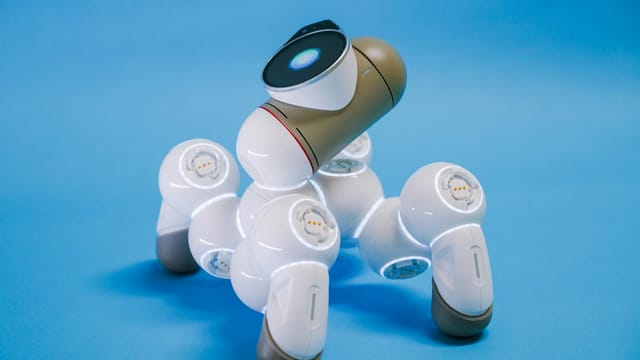
China Demonstrates First Direct Link Between Humanoid Robot and High‑Throughput LEO Satellite, Pushing Robot Mobility Beyond Terrestrial Networks
Beijing researchers have successfully linked a humanoid robot directly to a GalaxySpace LEO phased‑array internet satellite, streaming visual data without ground‑based infrastructure. The test demonstrates a practical path for robots to operate with resilient, wide‑area connectivity and underscores China’s advances in commercial LEO broadband technology.
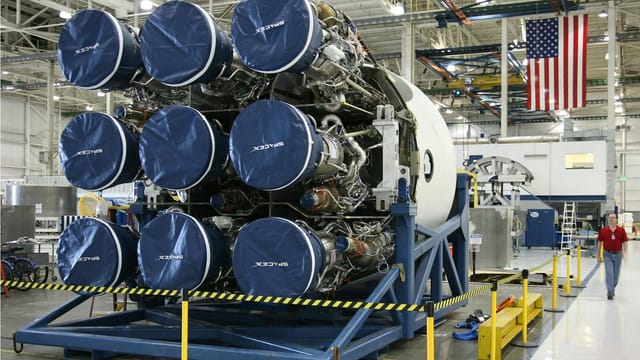
China’s Commercial Space Race Eyes 2026 as the Year of Reusable Rockets
At a Beijing forum, chief engineers from three leading Chinese commercial space firms unveiled competing plans to prove reusable rocket technology in 2026. Their strategies differ—batch production and engine upgrades, large kerolox modular rockets, and a dual small/large vehicle path—yet all target lower costs and higher cadence to serve satellite‑internet constellations.
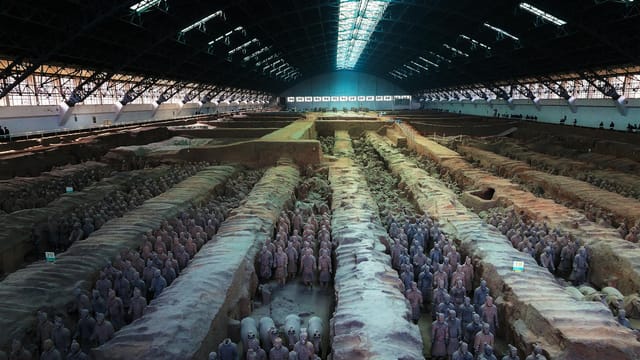
China’s New Space Start‑Up Books First Tourists and Aims for Crewed Flight by 2028 — A Commercial Space Push Gains Momentum
A Beijing commercial space firm unveiled its CYZ‑1 crew capsule and says it has reserved seats for more than 20 tourists across multiple vehicles, aiming for a crewed flight in 2028. The move highlights China’s accelerating commercial space ecosystem, rising investor interest, and potential spillovers into batteries, energy storage and high‑tech supply chains, even as technical, regulatory and market risks persist.

From Shanghai Markets to Launchpads: Jensen Huang’s China Stopover and a Boost for Beijing’s Commercial Space Push
Jensen Huang’s early-2026 visit to Shanghai and public-facing interactions underline ongoing commercial links between Nvidia and China despite geopolitical headwinds. At the same time, Beijing is accelerating support for a domestic commercial space sector — highlighted by policy measures for satellite-data use and Zhongke Yuhang’s completion of IPO counselling — while tightening data and security regulation, creating both opportunities and risks for firms operating in China.

Jensen Huang’s China Visit and a New Wave of Chinese Space-Tech Listings Signal Business-first Engagement
Nvidia CEO Jensen Huang’s January visit to Shanghai highlights the continuing commercial importance of China to global AI hardware suppliers. At the same time, Beijing’s new measures to develop commercial satellite data and a string of corporate preparations for public listings, such as Zhongke Yuhang’s completed IPO counselling, show China steering capital and policy toward space and data‑intensive technologies while tightening data governance.
China’s Economy and Tech Swerve Between Commercial Ambition and Policy Recalibration
China’s private-sector dynamism is on display: a domestically built commercial passenger spacecraft opened 3 million-yuan ticket sales, while TikTok formalised a U.S. data-and-content entity to keep American users connected. Markets and commodities reacted: gold hit a record high and equities rallied in technology, materials and consumer niches, even as local governments roll back high-stakes school exams and industrial automation tests promise large efficiency gains.

Chinese Portable Battery Maker Says Its Units Powered Multiple Domestic Rocket Launches — A Sign of Maturing Support Industry
Huabao Xinneng says its Dian Xiao Er portable power units have supplied off‑grid electricity for multiple Chinese rocket launches and related operations and are compatible with Starlink‑type satellite terminals. The announcement underlines the growing importance of specialised ground‑support equipment as China’s commercial space activity expands, though the claim is promotional and not independently verified.
LandSpace Plans 2026 Push to Validate Zhuque-3 First‑Stage Reuse Across Flight Data, Recovery Tests and Routine Operations
LandSpace will pursue a three‑pronged 2026 programme to validate first‑stage recovery and reuse for its Zhuque‑3 rocket: flight‑data analysis on re‑entry aerothermal and structural issues, another recovery flight test tied to constellation launches, and work to normalise post‑recovery maintenance and reliability. Success would advance China’s private space sector toward higher cadence, lower‑cost launches, but scaling reuse into routine operations remains the critical challenge.

China Small-caps Rally as Commercial Space Stocks Skyrocket, Tech and Pharma Slip
Chinese stocks finished higher with ChiNext leading gains after an afternoon rally driven by a surge in commercial space and hardware-related sectors. The move highlights retail-driven rotation into strategic, capital‑intensive industries while leaving semiconductors and innovative drugs under pressure.
Shunhao-backed Test Satellite 'Chenguang‑1' Completed — Launch Date Still Up in the Air
Shunhao disclosed that its investee’s first experimental satellite, Chenguang‑1, has finished development but remains unlaunched. The company warned that launch timing is uncertain due to weather, rocket readiness, launch‑site management and regulatory and safety reviews.

Chinese Supplier Confirms It Made Grid Fins for 'Xingji Rongyao', Signalling Deeper Commercial Space Supply Chains
Guanglian Aviation confirmed it supplied grid fins for the Chinese vehicle 'Xingji Rongyao', a sign that private suppliers in China are producing flight‑critical hardware associated with guided re‑entry and potential stage recovery. This reflects growing technical sophistication and supply‑chain depth in China’s commercial space sector, with implications for market competition and technology governance.