
# generative AI
Latest news and articles about generative AI
Total: 13 articles found

Musk Opens Grok 4.2 Candidate to Public Beta, Promising Weekly ‘Fast‑Learning’ Updates
Elon Musk has opened a candidate public beta of Grok 4.2, requiring users to opt in and inviting public feedback. The model claims a new fast‑learning capability and will receive weekly updates accompanied by release notes, accelerating xAI’s iterative development approach but raising questions about safety and oversight.

Chinese ‘Nano Manju’ Content Pipeline Adopts Seedance 2.0, Signaling Mass‑Production of AI‑Generated Short Drama
A Chinese production platform for short, comic‑style episodic drama has integrated Seedance 2.0’s full feature set and plans to launch after Lunar New Year, enabling mass automated generation of video content. The integration accelerates automation in the creative chain, with commercial upside for rapid IP production and significant legal, ethical and regulatory risks around deepfakes, copyright and labour displacement.
Meituan Turns Its AI Concierge into a Lunar New Year Sales Engine as Holiday AI War Heats Up
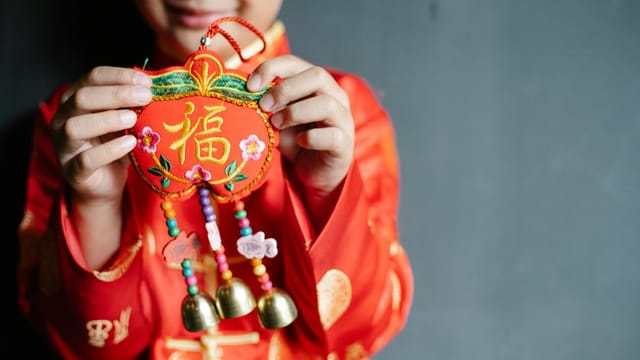
Meituan has upgraded its AI concierge “问小团” for the Lunar New Year to offer verified, transaction‑ready local recommendations and holiday coupons, aiming to convert queries into on‑platform purchases. The move highlights a broader industry push to make generative AI the primary interface for commerce, raising questions about accuracy, merchant obligations and regulatory oversight.
Seedance 2.0: China’s Groundbreaking AI Video Engine That Both Liberates and Alarm
Seedance 2.0, a Chinese generative video model, can produce hyper-realistic footage by integrating image, motion, audio and text, lowering the barriers to making sophisticated video. Its realism has sparked copyright backlash and deepfake concerns even as China’s large user base, open-source releases and supportive AI policy accelerate development and adoption.

ByteDance Rolls Out Seedance 2.0 in Limited Test Inside Doubao, Pushing AI Video Creation Deeper into China’s Creator Economy
ByteDance has started a limited rollout of Seedance 2.0, a next‑generation video‑generation model, inside its Doubao AI assistant app. The grayscale test lets select users try the new model while ByteDance evaluates performance and safety before a wider release, with implications for creators, platform engagement and regulatory oversight.
ByteDance Rolls Out Seedream 5.0 Preview, Bringing 2K–4K Image Generation into Its Consumer Apps
ByteDance has launched Seedream 5.0 Preview, enabling 2K and 4K image generation within its Jianying and Xiaoyunque apps and opening grey testing on the Jimeng AI platform. The move integrates higher‑resolution generative capabilities into mass‑market creative tools, accelerating adoption while raising moderation and provenance concerns.
China’s New Year Becomes AI’s Debut Season: Giants Gamble Billions and Workers Guard the Servers
China’s tech giants turned the Spring Festival into a high-stakes field test for generative AI, deploying billions in marketing and integrations while backend engineers worked through the holiday to prevent compute-driven outages. The event may mark a pivot from model-building to mass application, accelerating consolidation and everyday use of AI across social, local and entertainment services.
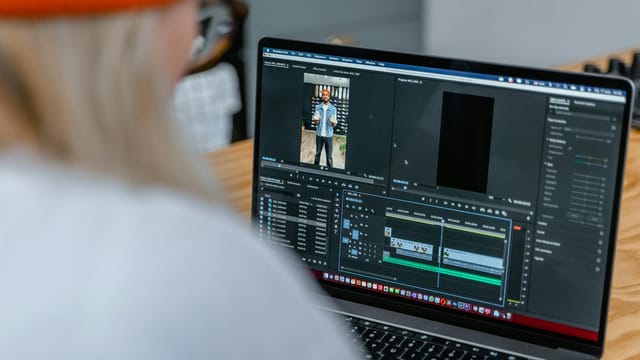
Xiaohongshu Builds an AI Video-Editing Armory — OpenStoryline Targets Creators and Commerce
Xiaohongshu is developing OpenStoryline, an AI-powered video editing tool aimed at accelerating creator production and strengthening the app’s commerce ecosystem. The product dovetails with broader moves by Chinese tech firms to integrate generative AI, but faces regulatory, copyright and content-quality trade-offs.

Seedance 2.0: ByteDance’s AI Turns Prompts into Sounding, Moving Films — and Rewires the Cost of Production
ByteDance’s Jimeng AI has launched Seedance 2.0, a generative video model that synchronises images and sound and can follow complex camera directions. Independent tests by NetEase show striking gains in action consistency and realistic ambience, but also persistent artifacts, transition roughness and high compute costs. The model promises to lower production marginal costs and expand commercial markets while raising IP, deepfake and regulatory challenges.

Shanghai Lawmaker Calls for Citywide AI Governance — From Mandatory Watermarks to a Content‑Safety Detection Hub
A Shanghai deputy and securities technologist, Zhan Tingting, has called for a Shanghai‑specific, citywide AI governance system combining a municipal content‑safety detection centre, mandatory non‑removable digital watermarks for AIGC, new local AI laws including protections for minors, and shared tools to detect AI‑enabled financial manipulation. The proposals aim to balance rapid AI adoption with data security, market integrity and public resilience.
Keling AI’s 3.0 Push: A Chinese Model Suite Aiming to Automate End‑to‑End Video Production
Keling AI has launched a 3.0 series of multimodal models—Video 3.0, Video 3.0 Omni and Image 3.0—positioned as an end‑to‑end solution for image and video generation, editing and post‑production. The suite emphasises native multimodal I/O and subject consistency, offering speed and integration for creators while raising questions about compute demands, governance and misuse risks.

Ma Huateng’s Billion-RMB Bet: Can Tencent Buy Time — and Relevance — in the AI Era?
Tencent’s recent billion‑yuan promotional blitz to kickstart an AI assistant exposes a strategic dilemma: the company admits its AI stack needs rebuilding even as it uses cash incentives to buy users. ByteDance’s speed and efficiency, and Alibaba’s open‑source enterprise strategy, frame a three‑way race whose outcomes will determine the next decade of Chinese tech leadership.