
# regional%20security
Latest news and articles about regional%20security
Total: 30 articles found

US Forces at Iran’s Doorstep — But the Crucial Window for Influence Has Closed
US forces are positioned close to Iran, but a critical period in which decisive pressure or punitive action would have been most effective has passed. That missed timing narrows US options, increases regional instability, and forces difficult choices between costly escalation and containment backed by diplomacy.

Japanese Peace Groups Warn Takaichi’s Rhetoric and Rearmament Push Threaten Regional Stability
Japan’s leading domestic peace group has condemned Prime Minister Sanae Takaichi’s comments and policy direction on nuclear options and expanded offensive capabilities, warning they breach postwar consensus and could heighten regional tensions. The group also urged Tokyo to confront its wartime past to avoid repeating historical aggression.
Khamenei Warns Washington: Any U.S. Attack Risks a Full-Blown Regional War
Iran’s supreme leader Ayatollah Ali Khamenei warned on February 1, 2026 that any U.S. attempt to provoke war would trigger a region-wide conflict. The comment highlights Tehran’s deterrence posture, the risks of proxy escalation across the Middle East, and the high diplomatic and economic costs of military action against Iran.

Explosion Heard at Residential Building in Bandar Abbas, Raising Regional Security Concerns
An explosion was reported at a residential building in Bandar Abbas on 31 January 2026, with early Chinese media accounts offering few details and no immediate official confirmation from Iran. Given Bandar Abbas’s strategic location and history of attacks on Iranian infrastructure, the incident is being monitored for its potential to affect regional security and maritime traffic.
Tehran Warns of Fallout After EU Labels Revolutionary Guard a ‘Terrorist’ Organization
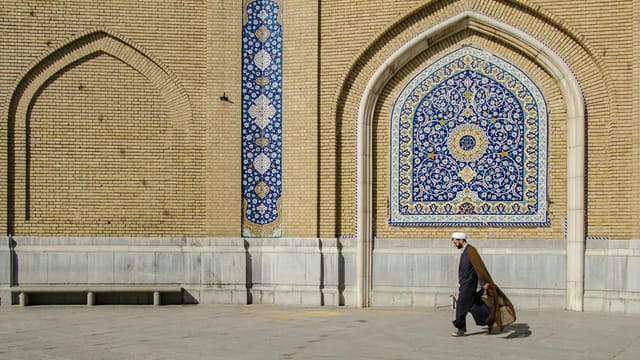
The EU moved on 29 January to designate Iran’s Islamic Revolutionary Guard Corps as a terrorist organisation, prompting strong condemnations from Tehran that called the decision illegal and dangerous. The move deepens transatlantic alignment on Iran but risks legal, diplomatic and security fallout that could complicate nuclear diplomacy and increase regional tensions.
Tokyo’s Taiwan Rhetoric and Robot Dogs: Why Beijing Sees a Dangerous Mix of Electioneering and Militarisation
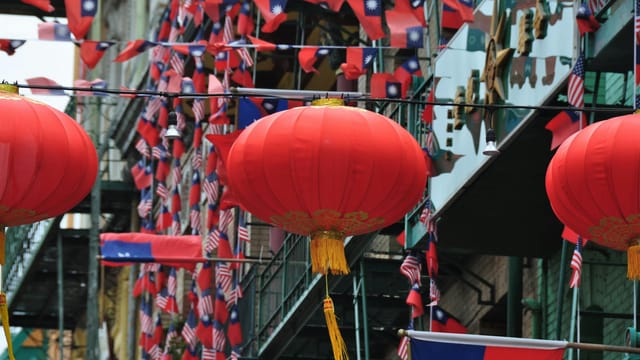
Japan’s prime minister sparked Beijing’s ire by saying Tokyo and Washington would jointly evacuate citizens in a Taiwan crisis, prompting Chinese accusations of remilitarisation. The dispute unfolds amid U.S. efforts to balance deterrence with stable ties to China and Japan’s procurement of unmanned “machine dogs”, which signal a low‑risk military transformation that may alter crisis incentives.

UN Showdown Over Taiwan: China Confronts Japan After Cabinet Minister’s Threat to Consider Force
A comment by Japanese cabinet minister Sanae Takaichi — that Japan should consider force if U.S. troops were attacked in a Taiwan contingency — provoked a sharp rebuke from China at the UN Security Council. Beijing used the forum to frame Tokyo’s rhetoric as dangerous and tied to domestic political manoeuvring, intensifying regional strategic tensions and complicating U.S.-Japan alliance management.
“Take Off and Fight”: Southern Theater Air Force Demonstrates High‑Tempo Readiness
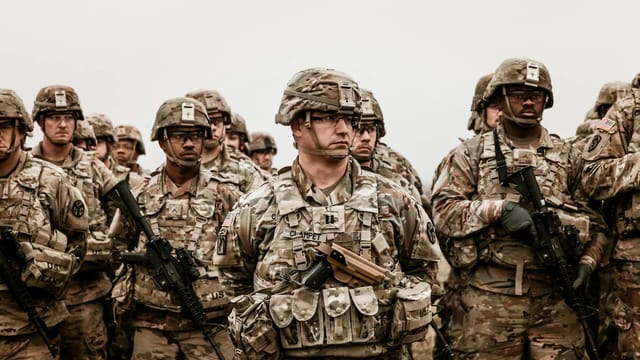
State media footage of the Southern Theater Air Force’s high‑tempo drills showcased a ‘take off and fight’ readiness aimed at compressing scramble‑to‑engagement timelines. The exercises reflect broader PLA efforts to integrate platforms and shorten decision loops, with implications for deterrence, regional signaling and the risk of inadvertent escalation.
Iran Vows Forceful Response to Any Attack, Blames U.S. and Israel for Sabotaging Talks
Iran’s foreign ministry spokesman warned that the country’s armed forces will fully respond to any aggression and accused the United States and Israel of sabotaging negotiations. While professing openness to diplomacy, Tehran stressed it would resist if war were imposed and framed the stance as defending the survival of the state.

US Carrier Group Deploys to Middle East as Tehran and Proxies Sound Alarms
The U.S. has positioned a carrier strike group and additional air and missile-defence assets in the Middle East to deter Iran, which has entered maximum readiness and warned its response to any attack would not be limited to U.S. bases. Hezbollah and Israel have signalled that the confrontation could draw in regional proxies and force civil contingencies, while Gulf states worry that military action could trigger widespread instability and economic shocks.

Beijing Rebukes Japan’s Sanae Takaichi, Says Tokyo Has ‘No Right’ to Intervene in Taiwan
China’s foreign ministry publicly rejected Japanese prime minister Sanae Takaichi’s suggestion that Tokyo and Washington could act together in the event of a Taiwan Strait crisis, saying Japan has "no right" to interfere. Beijing invoked post‑war treaties and historical grievances to frame Tokyo’s remarks as irresponsible and a threat to regional stability.

Washington Convens Rare 34-Nation Military Summit as Caribbean Drug Strikes Spark Controversy
The U.S. chairman of the Joint Chiefs, Dan Kain, is convening defence leaders from 34 Western Hemisphere states in a rare summit aimed at coordinating responses to drug trafficking and organised crime. The meeting follows an intensified U.S. military campaign in the Caribbean and eastern Pacific that has included dozens of strikes on vessels the U.S. says are drug-related, actions that have drawn scrutiny because public evidence has not been released.