
# space policy
Latest news and articles about space policy
Total: 8 articles found
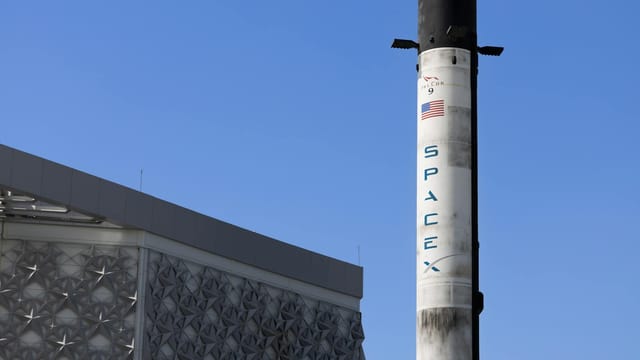
Musk: SpaceX Will Prioritise a Moon City but Mars Program Remains On Track
Elon Musk says SpaceX has shifted near‑term emphasis to building a self‑sustaining lunar city within about ten years, but he insists Mars plans will continue and that the change should delay Martian autonomy by no more than five years. The move reframes commercial space priorities and could either supply crucial testbeds for Mars or divert resources from interplanetary development.

Musk Says Moon Pivot Won't Abandon Mars — and May Even Help It
Elon Musk affirmed SpaceX will continue to pursue Mars even as the company signals a stronger near-term focus on building an autonomous lunar settlement within ten years. He suggested the lunar pivot would delay Martian autonomy by at most a few years and might accelerate Mars development by maturing needed technologies and logistics.

Musk and Washington Push a New Lunar Sprint — But the Moon’s Practicalities and Politics Remain Fraught
Elon Musk’s public call to "return to the Moon" and SpaceX hiring for AI satellite and space data-centre work have dovetailed with U.S. government plans to accelerate lunar missions, industrial infrastructure and even nuclear deployments. The combination of private ambition and an assertive U.S. policy raises technical, economic and geopolitical questions about feasibility, cost and the militarisation of cislunar space.
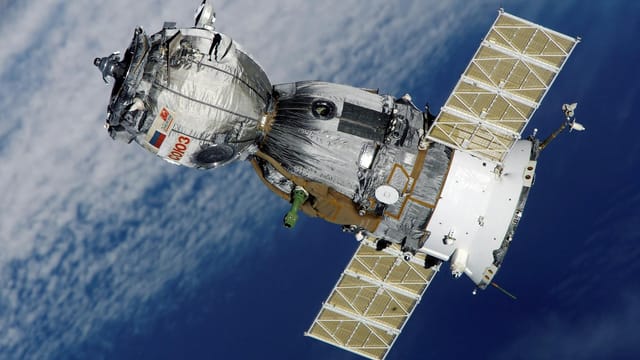
China Tests Reusable Spacecraft from Jiuquan, Signalling Push for Lower‑cost, Rapid‑response Space Capabilities
China launched a reusable experimental spacecraft on February 7 from Jiuquan atop a Long March‑2F rocket to carry out technology verification tests. The mission advances Beijing's push for lower‑cost, higher‑cadence access to space and carries both civilian and strategic implications.

Why SpaceX Bought xAI: Musk’s Vision to Move Big AI into Orbit and Power It with Stellar Energy
SpaceX has acquired Elon Musk’s xAI and, via an internal memo, framed the move as the first step toward hosting large AI systems in orbit powered by solar energy. The plan leverages SpaceX’s Starlink constellation and launch capabilities to propose a new, space‑based infrastructure for AI, but faces major technical, environmental and regulatory hurdles.

US Crewed Lunar Flyby Postponed as Severe Cold Grounds Launch Plans
A US crewed lunar flyby mission was postponed after an extreme cold spell compromised launch-commit criteria for cryogenic propellants and ground systems. The delay highlights technical vulnerabilities to severe weather, risks cascading schedule impacts across lunar programme milestones, and carries political and commercial consequences for U.S. space leadership.

Blue Origin’s New Shepard Flies Six on Another Brief Suborbital Joyride — A Small But Persistent Chapter in Commercial Space Tourism
Blue Origin’s New Shepard completed a crewed suborbital flight on 22 January, carrying six passengers for about ten minutes of microgravity. The mission underscores steady demand for short, commercial space experiences and highlights the company’s role in the maturing suborbital tourism market amid competition and regulatory scrutiny.

China’s Shenzhou-20 Return Capsule Touches Down at Dongfeng, Underscoring Rising Operational Maturity
China reported the successful landing of the Shenzhou-20 return capsule at the Dongfeng recovery site, marking the end of a mission phase and demonstrating the operational maturity of its crewed-space infrastructure. The touchdown underscores Beijing’s move toward routine human spaceflight operations and strengthens both the technical and political foundations of its programme.