
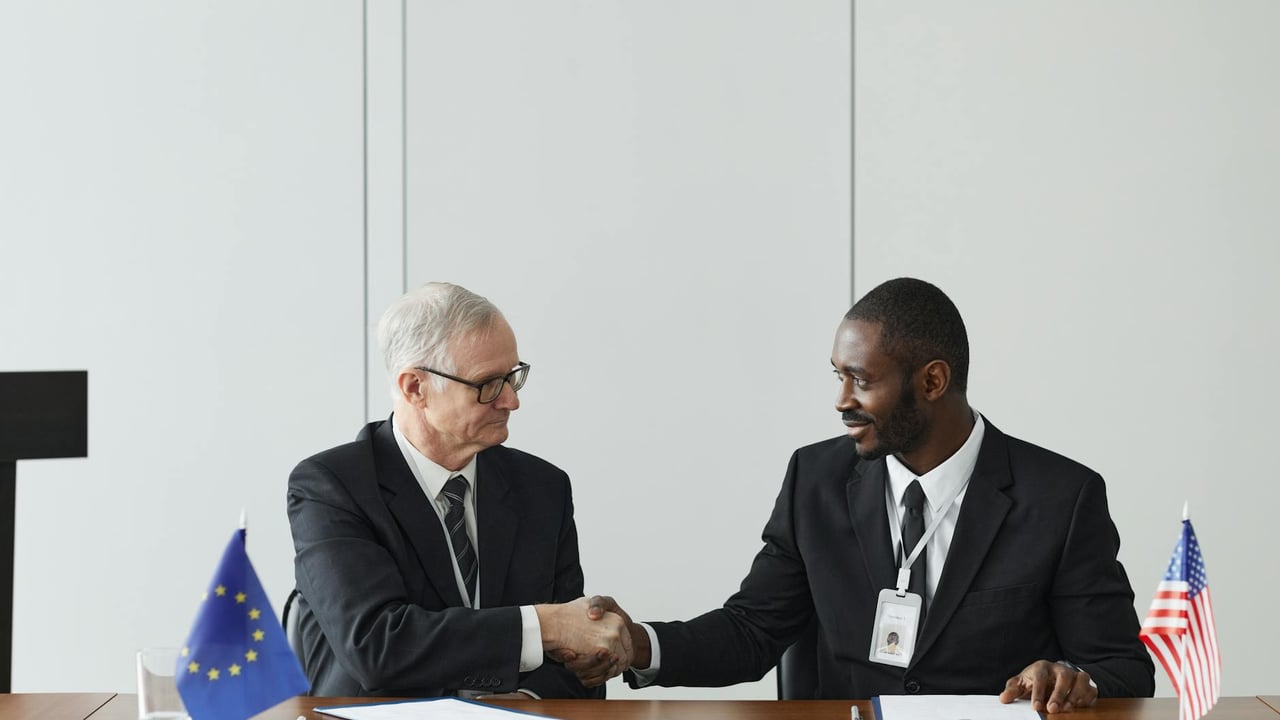

The 62nd Munich Security Conference closed on February 15 with a familiar ritual of reaffirmations and a less familiar undertow of scepticism. For decades the meeting has functioned as a barometer of transatlantic relations; this year it registered a clear diagnosis: the machinery of alliance still turns, but the political glue that once held the two sides together is cracking.
On the conference stage, the tone and the substance diverged. The U.S. delegation’s message, delivered by Secretary of State Rubio, was unusually warm in rhetoric, stressing shared history, religion, language and a pledge that the United States did not seek to end the transatlantic partnership. Yet the conciliatory language was interlaced with sharp policy conditionality — demands that European partners tighten borders, curb migration, and reconsider climate policies that Washington described as harmful to economic and energy security.
European leaders responded with public relief and pastoral language, even as they privately registered alarm. European Commission President von der Leyen called Rubio a “steadfast ally”; Britain’s prime minister insisted on “around-the-clock cooperation” with Washington in defence and intelligence. Behind the applause, however, a deeper unease shaped conversations across Munich about the reliability of U.S. policy and the future contours of collective security.
That unease has tangible causes. Delegates catalogued recent sources of transatlantic friction: unilateral U.S. trade measures and tariff threats, provocative suggestions about Greenland, a sharp downshift in new American aid to Ukraine, and recurring disputes over digital regulation and free speech. Together they have reinforced a perception in many European capitals that Washington’s priorities have shifted and become less predictable.
The result is an accelerating conversation in Europe about strategic autonomy. Leaders from Paris to Berlin — and voices from smaller Baltic states to Stockholm — signalled an appetite for building independent capabilities in defence, technology and deterrence. The Munich programme included open calls to discuss European nuclear options, with France, Germany and Sweden reported to be exploring early talks and other countries publicly signalling willingness to take part in such a debate.
This is not mere rhetoric. Several officials framed the shift as a response to a new geopolitical baseline: a rules-based international order that ‘‘is no longer what it used to be’’, in the words attributed to Germany’s chancellor in Munich, and the need for Europe to reduce strategic dependencies on all great powers. For many in Europe the calculus is stark — U.S. conventional and nuclear might remain critical to deter Russia, but reliance on Washington alone is no longer a viable long-term strategy.
If the Munich conference sent a single message it is this: the post–Cold War transatlantic architecture that shaped Western foreign and security policy for decades is under strain. The alliance’s operational ties remain essential, yet trust has eroded and strategic priorities have diverged. The political question now is whether Europe will pursue deeper defence integration and deterrent options within a still-functioning NATO framework or drift into competitive hedging that complicates collective responses to Russia and China.
For global audiences, the significance is clear. A transatlantic rift would alter the balance of deterrence in Europe, reshape global defence procurement and alliances, and upend coordinated Western approaches to sanctions, trade and technology governance. Munich showed that leaders are thinking through those trade-offs: the alliance endures, but its future architecture is very much in contest.