
# Munich Security Conference
Latest news and articles about Munich Security Conference
Total: 10 articles found

Starmer Pledges to Speed Up UK’s Push to 3% Defence Spending, Urges a ‘Ready to Fight’ Europe
Prime Minister Keir Starmer has pledged to accelerate Britain’s move to spend 3% of GDP on defence, stressing that Europe must be prepared to fight and that UK security remains bound up with the Continent. The vow aims to reassure NATO allies and domestic audiences, but its strategic value will depend on execution, procurement, and cooperation with European partners.
Munich’s Silent Schism: A Quiet Turning Point in Transatlantic Security
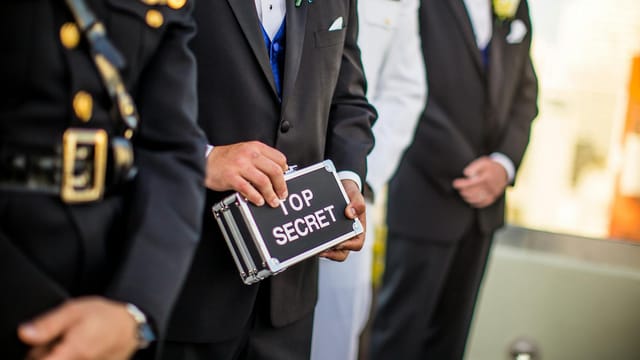
The 62nd Munich Security Conference exposed a quieter, deeper rift between the United States and Europe over the distribution of security responsibilities and the future of the Western order. European leaders publicly signalled a push toward greater strategic autonomy even as they remain materially dependent on US security guarantees, while civil society protests underscored domestic opposition to expanded militarisation.

Munich Aftermath: Transatlantic Alliance Intact but the Old Order Is Dead
At the Munich Security Conference, warm rhetoric from the U.S. masked deep policy disagreements that have hollowed out the post‑Cold War transatlantic order. European leaders, while publicly affirming ties with Washington, are openly exploring greater strategic autonomy — including talks about a shared or independent nuclear deterrent — in response to perceived U.S. unpredictability.
Munich Aftermath: A Frayed Transatlantic Order and Europe’s Drift Toward Strategic Autonomy
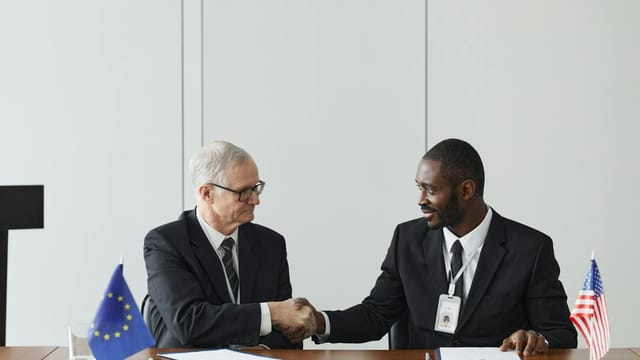
The 62nd Munich Security Conference exposed widening fissures in transatlantic relations: conciliatory rhetoric from the United States masked hardline policy demands, while European leaders signalled growing interest in strategic autonomy — including preliminary talks on nuclear deterrence. The old post–Cold War order that sustained U.S.–Europe cooperation is fraying, forcing Europeans to weigh deeper defence integration against continued reliance on American security guarantees.

At Munich, Germany’s Chancellor Tells Washington: ‘You Cannot Go It Alone’ — Europe Must Wean Itself Off U.S. Dependence
At the 62nd Munich Security Conference, German Chancellor Mertz urged the United States not to act unilaterally and called on Europe to reduce its dependence on American power. He framed multilateral cooperation — on trade, climate and public health — as essential to meeting global challenges and signalled a renewed push for European strategic autonomy.

Munich Security Conference Closes Under a Shadow of Transatlantic Strain
The 62nd Munich Security Conference ended on 15 February with transatlantic tensions prominent throughout the event. Debates over burden‑sharing, approaches to Russia and China, and the limits of U.S. reliability highlighted growing strategic divergences between Europe and America.

European Leaders at Munich Call for True Strategic Autonomy — Not Just Rhetoric
At the Munich Security Conference on February 13, Chancellor Friedrich Merz and other European leaders publicly pressed for stronger "strategic autonomy," citing vulnerabilities exposed by war, pandemic and shifting U.S. priorities. Turning the idea into policy will require painful budget choices, industrial coordination and careful management of transatlantic ties.

At Munich Security Conference, Merz Urges Europe to Build ‘Strategic Autonomy’ Amid Great‑Power Strains
At the Munich Security Conference, German Chancellor Friedrich Merz urged Europe to accelerate the development of strategic autonomy in response to Russia’s war in Ukraine, U.S.–China rivalry, and fragile transatlantic guarantees. The call signals a shift toward concrete investment in defence, supply‑chain resilience and industrial cooperation, while highlighting the challenge of balancing autonomy with transatlantic partnership.

Munich Security Conference Opens as Ischinger Calls for a Transatlantic 'Reset' and a Stronger, United Europe
The 62nd Munich Security Conference opened on February 13 with Wolfgang Ischinger warning that the transatlantic partnership is at a crossroads and calling for a unified, stronger Europe. The gathering—attended by more than 1,000 delegates including over 60 heads of state—aims to forge a "transatlantic reset" amid what Ischinger described as unprecedented global security challenges.
Munich’s Mood Shift: Europe Grapples with a World ‘Being Destroyed’ and Seeks New Equilibriums
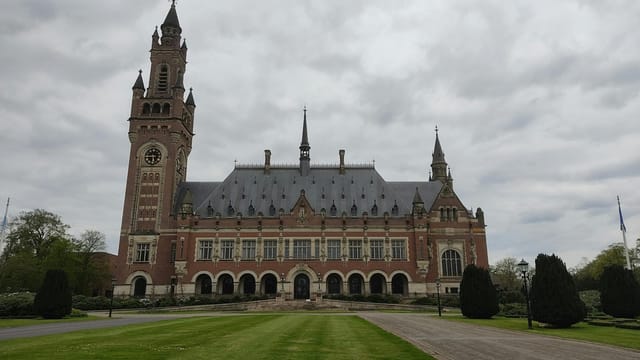
The 2026 Munich Security Conference adopts a markedly bleaker tone, saying the international order is “being destroyed” and signalling a shift from trans‑Atlantic coordination to European efforts at strategic autonomy. Practical, sectoral issues — technology, supply chains and energy — have risen in prominence, and China’s role at the conference has expanded from political foil to potential partner on concrete challenges.