
Politics News
Latest politics news and updates
Total: 107
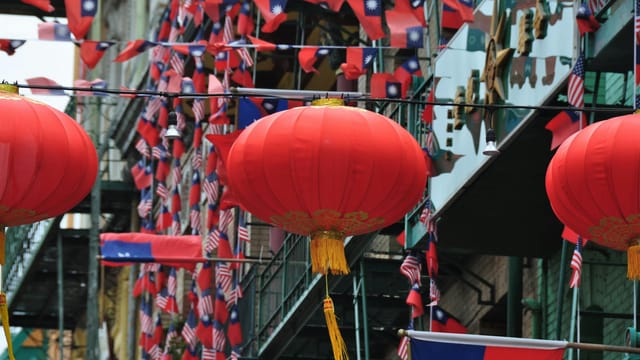
Tokyo’s Taiwan Rhetoric and Robot Dogs: Why Beijing Sees a Dangerous Mix of Electioneering and Militarisation
Japan’s prime minister sparked Beijing’s ire by saying Tokyo and Washington would jointly evacuate citizens in a Taiwan crisis, prompting Chinese accusations of remilitarisation. The dispute unfolds amid U.S. efforts to balance deterrence with stable ties to China and Japan’s procurement of unmanned “machine dogs”, which signal a low‑risk military transformation that may alter crisis incentives.
Politburo Endorses 2026 Workplans and Tightens Party Oversight as China Enters 15th Five‑Year Period
China’s Politburo, chaired by Xi Jinping, reviewed and approved 2026 workplans for the Party leadership groups embedded in the country’s major state and judicial organs, praising 2025 performance and calling for strict implementation of Party directives. The meeting underlined centralised leadership, strengthened Party governance, and a focus on achieving a stable start to the 15th Five‑Year period while reducing formalism at the grassroots.
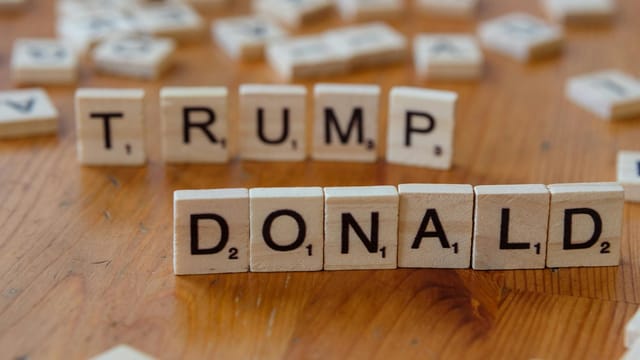
Trump Sues Treasury and IRS, Demands at Least $10 Billion Over Alleged Tax-Return Leak
Donald Trump has sued the U.S. Treasury and IRS in Miami federal court, seeking at least $10 billion for allegedly illegal disclosure of his tax returns from his first presidential term. The suit revives long-standing disputes over presidential tax transparency, raises questions about agency handling of confidential data, and carries significant political symbolism even if large damages are unlikely.

Congress Revives Boeing E‑7 AWACS Funding After Pentagon Pushes Cut, Exposing Rift Over Space-Based Warning
Congress restored roughly $1.1 billion for the Boeing E‑7 Wedgetail AEW programme in the FY2026 NDAA drafts, undoing a White House proposal that would have reduced funding to under $100 million. The move reflects congressional wariness about relying solely on a new space‑based warning architecture and concerns about replacing the ageing E‑3 AWACS fleet.
US Vice‑President’s Mockery of Disabled Senator Ignites Backlash and Raises Questions About Tone in Venezuela Debate
Vice‑President Vance drew condemnation after likening wounded Senator Tammy Duckworth to a fictional character in a social‑media post following a contentious hearing on U.S. policy toward Venezuela. Duckworth, an Iraq veteran who lost limbs in combat, accused Vance of insulting disabled people to deflect from ties between interventionist policy and Chevron’s interests; politicians and the public criticized Vance’s rhetoric.
Xi and Starmer Agree to a 'Long‑Term, Stable' Strategic Partnership as UK Prime Minister Visits Beijing
China and the UK agreed to develop a "long‑term, stable, comprehensive strategic partnership" after a meeting between Xi Jinping and Keir Starmer in Beijing. Beijing presented the outcome as a new, predictable framework for bilateral engagement, but the substance will be tested by future agreements and by how London balances ties with Washington and domestic scrutiny.
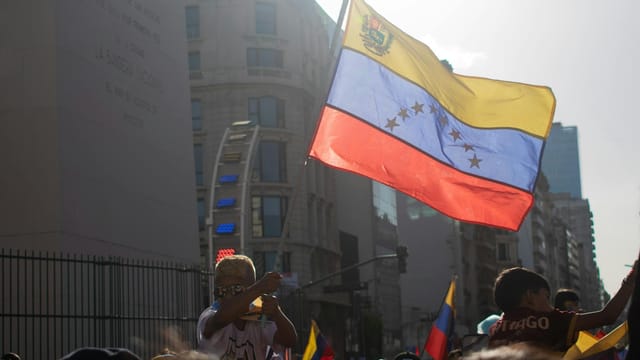
Senate Hearing Interrupted as Protester Shouts ‘Stop Intervening in Venezuela’ — Arrest Highlights Polarised Debate on U.S. Policy
A protester interrupted Senator Marco Rubio during a Senate Foreign Relations Committee hearing, demanding an end to U.S. interference in Venezuela and Cuba and was arrested. Rubio said Washington would soon set up a diplomatic presence in Venezuela to gather intelligence and engage locally, while denying preparations for military action. The Chinese report that carried the story also appended unverified claims of a U.S. military seizure of Venezuela’s president, which are not corroborated and appear false.
From Afghanistan to American Doorsteps: How Battlefield Gear Turned Up in U.S. Immigration Raids
A widely shared photograph of heavily armed immigration agents in Minneapolis has reignited concerns over the militarization of U.S. law enforcement. The image, showing battlefield-style equipment in a domestic raid that a federal judge later found constitutionally flawed, spotlights tensions between aggressive federal immigration operations and civil liberties.

Powell Urges Next Fed Chair to Steer Clear of Politics as White House Pressure and DOJ Inquiry Intensify
At a Jan. 28 press conference, Fed Chair Jerome Powell urged his successor to distance the Federal Reserve from partisan politics as the bank held rates steady. Powell defended the Fed’s independence amid public hostility from President Trump and a Justice Department probe into a Fed headquarters renovation that has added legal uncertainty to the leadership transition.

Beijing Says Taiwan Veterans Don’t Qualify for PLA Perks, Points to Tourist Incentives for First-Time Visitors
China’s Taiwan Affairs Office clarified that Taiwanese retired military personnel do not qualify for the same veterans’ concessions granted to PLA veterans, after a social-media incident at a mainland scenic spot. Beijing pointed to targeted tourism incentives for first-time visitors from Taiwan instead, a policy designed to encourage visits without altering institutional distinctions between the two sides’ armed forces.
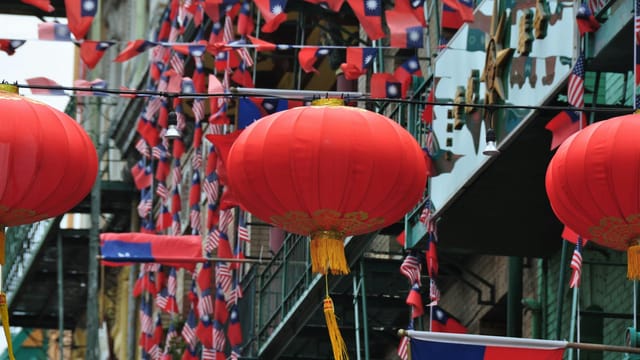
Beijing Defers on Free Access for Taiwan Veterans, Leaving Benefits to Local Rules — A Small but Symbolic Test of Cross‑Strait Policy
China’s Taiwan Affairs Office said ticket concessions for Taiwan’s retired military personnel are determined by local scenic spots and authorities rather than by a blanket cross‑Strait policy. The response reflects Beijing’s preference for low‑profile, locally implemented incentives rather than sweeping, centrally declared benefits — a stance with symbolic implications for cross‑Strait influence and Taiwan domestic politics.

Beijing Slams Taiwan’s ‘High‑Risk’ App List as Politicised Move in Cross‑Strait Tech Tug‑of‑War
Taiwan’s digital authority published an advisory list of “high‑risk” apps — including Douyin, Weibo, WeChat, Xiaohongshu and Baidu Cloud — aimed at protecting minors and flagging cybersecurity concerns. Beijing’s Taiwan Affairs Office condemned the move as politically motivated, underscoring how digital‑safety measures are being interpreted through fraught cross‑strait politics and raising questions about business, youth behaviour and influence.