
Technology News
Latest technology news and updates
Total: 510

vLLM Founders’ New Startup Raises $150m Seed at an $800m Valuation — A Big Bet on LLM Infrastructure
Inferact, founded by the vLLM core team, raised $150 million in a seed round led by Andreessen Horowitz and Lightspeed at an $800 million valuation. The deal highlights investor enthusiasm for LLM inference and deployment infrastructure, but sets high expectations for rapid commercialisation amid fierce competition and regulatory questions.

vLLM Team's Inferact Secures $150m Seed at $800m Valuation, Signalling Fresh Bet on AI Inference Infrastructure
Inferact, founded by the creators of open‑source vLLM, raised $150 million in a seed round at an $800 million valuation led by Andreessen Horowitz and Lightspeed. The deal signals strong investor conviction in companies that can commercialize efficient LLM inference, but Inferact will face competition from cloud providers and specialized rivals as it seeks to translate open‑source credibility into enterprise revenue.
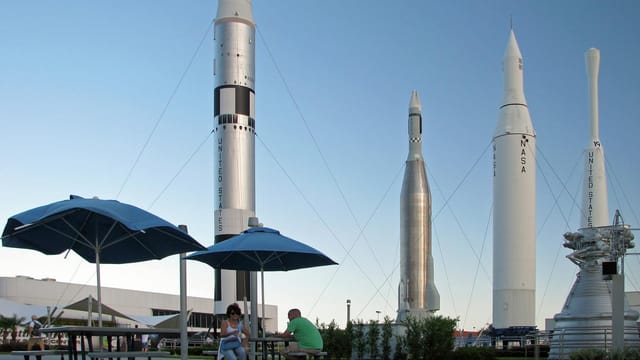
LandSpace Plans 2026 Push to Validate Zhuque-3 First‑Stage Reuse Across Flight Data, Recovery Tests and Routine Operations
LandSpace will pursue a three‑pronged 2026 programme to validate first‑stage recovery and reuse for its Zhuque‑3 rocket: flight‑data analysis on re‑entry aerothermal and structural issues, another recovery flight test tied to constellation launches, and work to normalise post‑recovery maintenance and reliability. Success would advance China’s private space sector toward higher cadence, lower‑cost launches, but scaling reuse into routine operations remains the critical challenge.

Young Tech Manager’s Sudden Death Reignites Scrutiny of China’s High‑pressure Start‑up Culture
A 32‑year‑old Guangzhou software manager collapsed and died after prolonged periods of excessive work following departmental reshuffles and understaffing. The company has applied for a work‑injury determination; local authorities are investigating as the case revives debate about long‑hours culture and labour protections in China’s tech sector.

Feeding the Machine: How AI’s Rise Depends on Low‑paid Labor and Vast Natural Resources
James Muldoon’s reporting reframes generative AI as a large‑scale extraction system that depends on low‑paid labour, unconsented creative material and vast energy and water resources. The phenomenon deepens global labour competition, concentrates managerial control, and risks reproducing Western cultural biases unless regulated.

At Davos, Musk Promises Optimus on Sale Next Year and Predicts AI, Robotaxis and Even Anti‑Aging Breakthroughs
At Davos, Elon Musk announced that Tesla plans to sell its Optimus humanoid robot next year and predicted widespread Robotaxi usage in the U.S., alongside broader claims that AI may surpass human intelligence and that humanity will eventually reverse ageing. The announcements compress ambitious technological roadmaps into near-term timelines, raising questions about feasibility, regulation and societal impact.

Alibaba’s Qianwen Moves Beyond Chat: One-Sentence Food Orders Signal a New Front in AI-Driven Commerce
Alibaba’s Qianwen AI has been upgraded into a transactional agent, enabling one-sentence food orders by routing natural-language intent to Taobao Flash Purchase agents. The feature marks a strategic pivot from chat to commerce, testing whether AI can become a reliable front door to instant retail within Alibaba’s ecosystem.
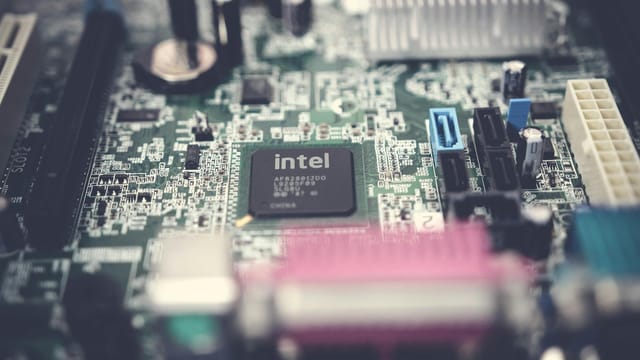
Intel’s CEO Concedes Yield Shortfalls as AI Demand Outpaces Supply
Intel CEO Chen Liwu admitted on the Q4 2025 earnings call that the company has not fully met skyrocketing AI-driven demand because product yields are below his expectations. Intel has pledged to make yield improvements a top priority in 2026, but the admission triggered a sharp market reaction and raises competitive and supply-chain risks.

Alibaba Readies Spin‑off of 'Pingtouge' AI‑Chip Unit as Investors Flock to a New China AI‑IPOs Wave
Alibaba is preparing to spin off its Pingtouge AI‑chip unit and explore an IPO after years of quiet development, a move that lifted Alibaba’s share price sharply. The reorganisation—creating a partly employee‑owned entity—would strengthen Alibaba’s AI stack and feed investor appetite for China’s domestic alternatives to Western accelerators, though production scale, valuations and regulatory risks remain key uncertainties.

Musk at Davos: China Holds the Key to Powering an AI Future as Tesla Counts Down to FSD and Optimus Sales
At Davos, Elon Musk argued that electricity — not chips — will be the binding constraint on large-scale AI and robot deployment, praising China’s massive solar build-out as the practical remedy. He set aggressive timelines for RoboTaxis, FSD regulatory approvals in Europe and China, Optimus humanoid sales by late 2027, and space-based AI data centres enabled by fully reusable Starship launches.

TikTok Survives US Crackdown by Keeping Its Algorithm and Carving Out a US Data Guardrail
TikTok has set up a US data‑security joint venture and preserved its core algorithm IP by licensing it, while ByteDance retains a 19.9% stake in the new entity and full ownership of US commercial operations. The deal secures the app’s presence in America, attracts major American and global investors, and establishes a template for managing tech‑national security tensions without dismantling the business.
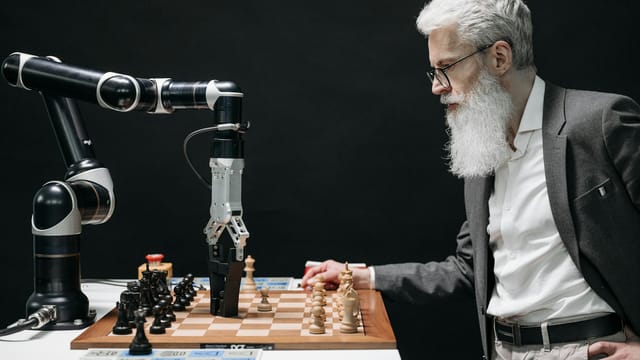
China’s Kimi Says Algorithmic Ingenuity, Not Massive Compute, Powered Its Leap — and the AI Race May Be Changing
At Davos, Kimi’s leadership said it achieved state‑of‑the‑art results with its K2 series while using a fraction of the compute typical of leading US labs, crediting deep algorithmic and engineering innovation. The company plans to use fresh capital to expand hardware for a next‑generation K3 model, underscoring a broader Chinese push to compete via efficiency rather than brute‑force compute.