
World News
Latest world news and updates
Total: 818

Trump Signals Willingness to Negotiate With Iran While Repeating Military Threats
Donald Trump said he hopes the U.S. can reach an agreement with Iran while emphasising U.S. naval strength and warning of military consequences if talks fail. Iran says it remains confident indirect negotiations are productive, insisting on sanctions relief and the right to peaceful enrichment amid a tense regional military backdrop and recent U.S.-Israel coordination.

US Forces at Iran’s Doorstep — But the Crucial Window for Influence Has Closed
US forces are positioned close to Iran, but a critical period in which decisive pressure or punitive action would have been most effective has passed. That missed timing narrows US options, increases regional instability, and forces difficult choices between costly escalation and containment backed by diplomacy.

Rafah Crossing Reopens in Limited Fashion, Easing Gaza's Humanitarian Strain
The Rafah crossing between Gaza and Egypt reopened on February 2 for a limited number of two-way passages after being closed since May 2024 when Israeli forces took control of the Palestinian side. The move facilitates urgent medical evacuations and limited staff movement but remains constrained by security, infrastructure and diplomatic coordination, so broader humanitarian relief is not guaranteed.
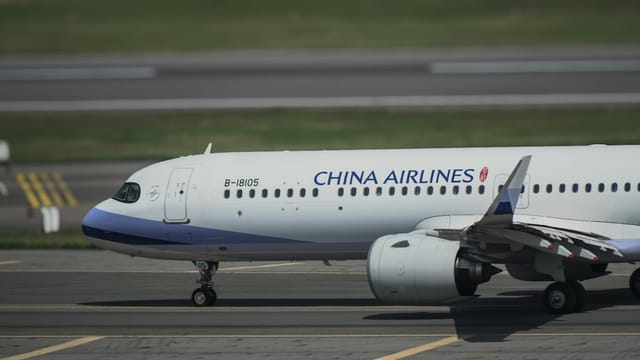
Slovak Lawmaker Criticises Japan’s Takaichi as Threatening One‑China Consensus and Regional Stability
Michal Bartek, vice‑chair of Slovakia’s parliamentary Defence and Security Committee, condemned remarks by Japan’s prime minister Sanae Takaichi as irresponsible and dangerous for challenging the One China principle. He warned that confrontational rhetoric risks destabilising East Asia and reflects Tokyo’s growing alignment with Washington at the expense of regional and economic interests.

Condolence and Coercion: China’s Rescue Diplomacy Amid Rising South China Sea Tensions
China’s condolence to the Philippines after a fatal ferry sinking highlights a broader pattern of simultaneous humanitarian outreach and military assertiveness in the South China Sea. Incidents of rescue and reproach reveal deep distrust between Beijing and Manila, with implications for regional stability amid US–China competition.
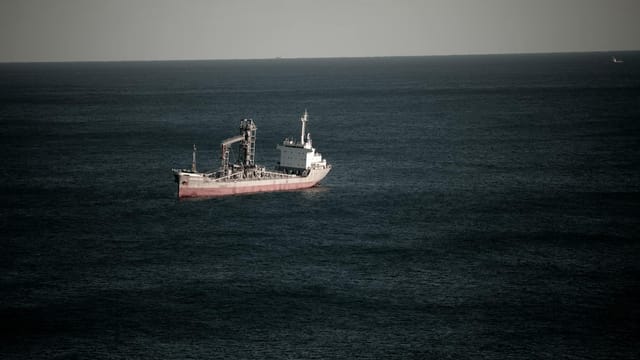
Trump Blames Fuel, Not Firepower, After Two U.S. Warplanes Crash into South China Sea — A Deeper Read on Readiness Risks
President Trump has dismissed claims that two U.S. Navy aircraft lost over the South China Sea were shot down, instead pointing to fuel contamination as the probable cause. The incidents highlight aging carrier infrastructure, strained logistics and rising accident rates that could undermine U.S. carrier readiness and deterrence.

Across the Snowline: Chinese Border Guards Patrol Xinjiang by Sled and Boot
State media imagery this week showed Chinese border troops in Xinjiang conducting snowbound patrols using motor sleds and foot patrols. The operations highlight Beijing’s efforts to sustain presence and mobility across harsh frontier terrain as part of broader border-security and readiness priorities.

Eight Foreign Ministers Condemn Israel Over Ceasefire Breaches, Warn of Regional Fallout
Eight foreign ministers from Arab and Muslim-majority states jointly condemned Israeli violations of a Gaza ceasefire that they say caused over 1,000 Palestinian casualties, urging full implementation of the ceasefire’s next phase and restraint to protect stabilization and reconstruction efforts. The coordinated rebuke raises regional diplomatic stakes and could prompt greater international mediation or humanitarian initiatives, though its practical impact will hinge on whether it leads to tangible measures beyond rhetoric.
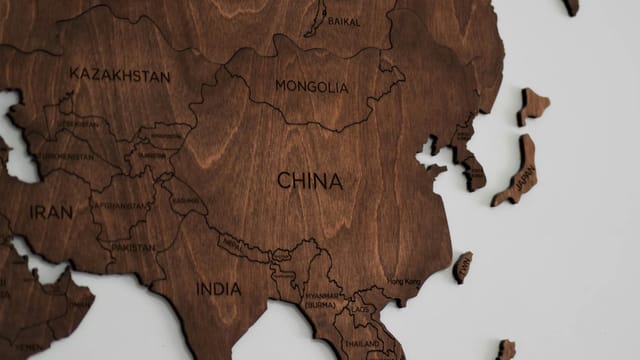
UAE President Cancels Japan State Visit as Iran‑US Tensions Rise, Underscoring Gulf’s Diplomatic Tightrope
The UAE president has cancelled a planned state visit to Japan amid rising U.S.–Iran tensions, a move widely interpreted as a precautionary response to growing regional instability. The decision underscores Gulf states’ delicate balancing between security ties with the United States and pragmatic engagement with Iran, with implications for diplomacy, energy markets and regional risk calculations.

Flight Tracks, Helicopters and High Stakes: Why a U.S. Special Forces Deployment to Azerbaijan Matters for Tehran
Flight-tracking evidence that a U.S. MC-130J entered Azerbaijani airspace on 29 January has fuelled claims that American special forces could be preparing operations against Tehran. While the presence of a special-operations transport is significant, concrete plans for a decapitation raid remain unproven; nonetheless, the movement complicates regional security, risks pulling Azerbaijan into a confrontation, and heightens the chance of miscalculation between Tehran, Washington, Moscow and Tel Aviv.

Talks and Threats: Washington Keeps Iran Under Deliberate Ambiguity as Naval Forces Patrol the Gulf
The United States has combined public threats and naval deployments with discreet offers to negotiate with Iran, a strategy Washington has kept deliberately ambiguous. Tehran has responded with guarded engagement through intermediaries while reaffirming core red lines, raising the odds that any agreement will be limited and that miscalculation could still spark wider regional conflict.

Khamenei Warns U.S. Action Could Spark 'Full-Scale' Regional War
Iran’s Supreme Leader warned that U.S. military action would precipitate a “regional full-scale war,” intensifying concerns about how local incidents could balloon into broader conflict. The statement raises the political and strategic cost of strikes in the region, with implications for regional proxies, energy markets and global diplomacy.