
Technology & AISignal
Robots Face Hurdles Before Widespread Workplace Deployment
A report details that broad robot deployment requires overcoming data collection challenges, technical limitations, industrial ecosystem integration needs, and deployment costs.
Share
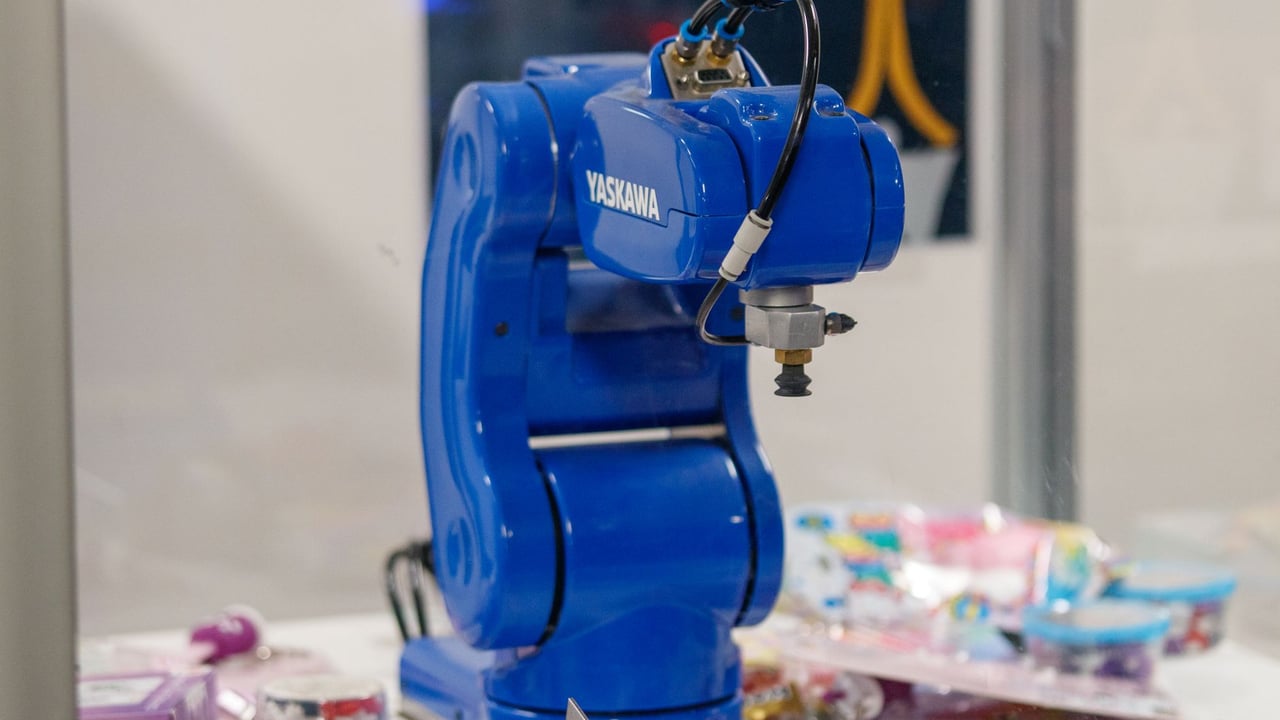
Illustrative image; not a photograph of this reported event. Photo by Freek Wolsink on Pexels
The Brief
According to People's Daily, embodied artificial intelligence requires vast amounts of high-quality training data, but traditional physical machine collection demands ongoing involvement of machines, venues, and personnel, creating high costs. Although simulation data reduces collection costs and expands scale, crossing the simulation-to-reality gap and standardizing different data formats remain necessary.
Entering real-world settings tests whether perception, cognition, decision-making, control, and execution capabilities can function collaboratively rather than isolated performance metrics. Present embodied intelligence models require improved generalization and fault tolerance when encountering unfamiliar tasks, while hardware durability, consistency, and energy efficiency directly affect continuous and stable operational performance.
Building an industrial ecosystem is necessary as professional specialization deepens across components, bodies, models, data, development tools, and system integration. Large-scale utilization requires robot makers, parts suppliers, model firms, and scenario operators to cooperate, gradually developing reusable tools, shared interfaces, and practical solutions within actual production environments.
Costs significantly influence whether robots see wide procurement, especially if entering new scenarios demands extensive redevelopment or if poor reliability triggers high maintenance expenses. Cutting adoption costs depends on enhancing product versatility to curb redundant redevelopment, alongside maturing supply chains and large-scale manufacturing to lower component and production costs.
Why it matters
If entering new scenarios requires substantial redevelopment or if insufficient reliability creates excessive maintenance and downtime costs, technically capable robots may still fail to achieve large-scale procurement.
China context
At this year's World Robot Conference, attendee focus shifted noticeably from observing movement speeds and degrees of freedom to evaluating continuous operational endurance and adaptability across varied environments, People's Daily reported.
Key Takeaways
- 1Embodied artificial intelligence requires resolving high data collection costs and crossing the gap between simulation and real environments.
- 2Hardware durability and software generalization across unfamiliar settings determine whether machines can operate stably in practice.
- 3Reducing application expenses requires enhancing general versatility while depending on mature supply chains and scaled manufacturing.
Sources
- 机器人“上岗”要先过三关 — 人民日报 · 10/11/2026