
# China
Latest news and articles about China
Total: 498 articles found

When the Canteen Is Hit: A Chinese Correspondent’s Close Encounter with Kabul’s Violence
A blast outside a Chinese-run restaurant in Kabul killed at least one local employee and injured others, bringing the everyday risks of exile life into sharp relief for the small Chinese community in Afghanistan. The attack highlights the vulnerability of China’s expanding non-military presence in Kabul and raises questions about how Beijing will protect its citizens while maintaining engagement in a fragile, impoverished country.

Beijing Offers Cautious Response on Reported Trump, Chinese and Starmer State Visits
China’s Foreign Ministry declined to confirm media reports of a prospective April visit to China by U.S. President Donald Trump or a reciprocal year‑end visit by a Chinese leader, while offering similarly cautious language about a possible visit by U.K. Prime Minister Keir Starmer. The non‑committal response reflects Beijing’s preference for tightly managed summit diplomacy amid high strategic stakes in U.S.–China and China–U.K. relations.
China’s Market Watchdog Slaps CNY 1.02bn Penalty on Trader for Five-Year Stock-Manipulation Campaign
China’s securities regulator found that Yu Han used 67 trading accounts from mid-2019 to mid-2024 to manipulate the shares of Boshi Eyewear (博士眼镜), netting roughly CNY 510.9 million. The CSRC ordered confiscation of the illicit gains, an equal fine for a total penalty around CNY 1.02–1.03 billion, and imposed a three-year market ban and trading prohibition.

China’s MBA Market Cools: Fewer Jobs, Falling Fees and a Curriculum Reckoning
China’s MBA market is undergoing a correction as economic slowdown, automation and policy changes shrink demand for traditional management degrees. Top programmes retain value through alumni networks and tailored curricula, but many schools have cut fees and retooled courses to stay competitive amid fewer clear job outcomes for graduates.
China’s Expanding Holidays Expose a Deeper Problem: More Days Off Don’t Fix Weak Incomes
China’s decision to extend the 2026 Spring Festival to nine days signals a possible trend toward longer statutory holidays. Yet analysts warn that more days off will not translate into sustained consumption or well‑being unless workers have higher, more secure incomes and enforceable rest rights; otherwise many new leaves will remain “paper” benefits and tourism gains will be diluted.

Beijing Proposes National Rules for Pre‑Prepared Meals, Seeks Public Input on Labelling and Definitions
China has published draft national standards for pre‑prepared dishes and a proposal requiring restaurants to disclose processing methods, and is soliciting public comment. The rules aim to improve consumer protection and industry standardisation but may raise compliance costs for smaller businesses while accelerating consolidation and investment in cold‑chain infrastructure.

Young Tech Manager’s Sudden Death Reignites Scrutiny of China’s High‑pressure Start‑up Culture
A 32‑year‑old Guangzhou software manager collapsed and died after prolonged periods of excessive work following departmental reshuffles and understaffing. The company has applied for a work‑injury determination; local authorities are investigating as the case revives debate about long‑hours culture and labour protections in China’s tech sector.
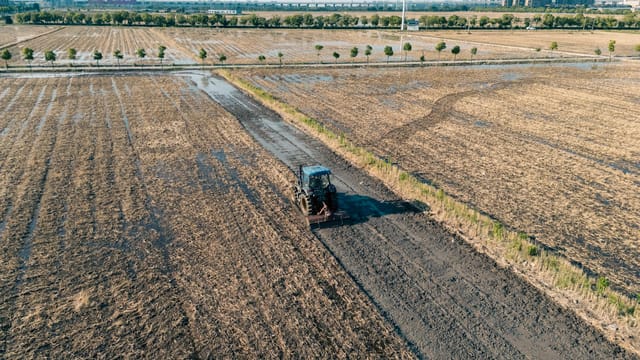
China Reports Record Grain Harvest and Rising Rural Incomes as Policy Shifts to ‘Normalised’ Aid and Land Security
China reported record grain harvests in 2025 and a 6% real rise in rural per‑capita disposable income as authorities shift from five years of special poverty relief to a ‘normalised’, development‑oriented support model. Policy priorities for 2026 include boosting grain capacity, modernising infrastructure and extending land contracts for longer tenure security.

Feeding the Machine: How AI’s Rise Depends on Low‑paid Labor and Vast Natural Resources
James Muldoon’s reporting reframes generative AI as a large‑scale extraction system that depends on low‑paid labour, unconsented creative material and vast energy and water resources. The phenomenon deepens global labour competition, concentrates managerial control, and risks reproducing Western cultural biases unless regulated.

Alibaba Readies Spin‑off of 'Pingtouge' AI‑Chip Unit as Investors Flock to a New China AI‑IPOs Wave
Alibaba is preparing to spin off its Pingtouge AI‑chip unit and explore an IPO after years of quiet development, a move that lifted Alibaba’s share price sharply. The reorganisation—creating a partly employee‑owned entity—would strengthen Alibaba’s AI stack and feed investor appetite for China’s domestic alternatives to Western accelerators, though production scale, valuations and regulatory risks remain key uncertainties.

Musk at Davos: China Holds the Key to Powering an AI Future as Tesla Counts Down to FSD and Optimus Sales
At Davos, Elon Musk argued that electricity — not chips — will be the binding constraint on large-scale AI and robot deployment, praising China’s massive solar build-out as the practical remedy. He set aggressive timelines for RoboTaxis, FSD regulatory approvals in Europe and China, Optimus humanoid sales by late 2027, and space-based AI data centres enabled by fully reusable Starship launches.

Songs, Snow and Sacrifice: How a Remote Spanggur Outpost Sustains China’s Frontier Presence
At a remote high‑altitude outpost by Spanggur Lake, China’s border troops sustain presence through ritual, mutual care and small infrastructural projects. A company anthem and the memorial to a fallen pack horse have become focal points for morale, civil‑military outreach and a broader narrative linking frontier sacrifice to national cohesion.