
# Strait%20of%20Hormuz
Latest news and articles about Strait%20of%20Hormuz
Total: 23 articles found

A New Middle East War Edges Closer: Chinese Commentary Warns of Imminent U.S.–Israeli Strike on Iran
A Chinese op-ed warns that a large-scale U.S.–Israeli strike on Iran could be imminent after negotiations stalled, citing elevated military postures and preparations on all sides. The commentary stresses the risk of a protracted regional conflict—drawing in proxies, disrupting oil flows and challenging global stability—while urging China to value and protect its peace and interests.
Trump Stakes Diplomacy on Coercion as Geneva Talks With Iran End in Standoff
The Geneva nuclear talks ended without agreement as US military deployments and Iranian naval drills hardened positions on both sides. Fundamental disagreements over Iran’s nuclear and missile programmes, Israeli security demands, and the timing of sanctions relief mean the risk of escalation remains high unless negotiators find a politically credible compromise.
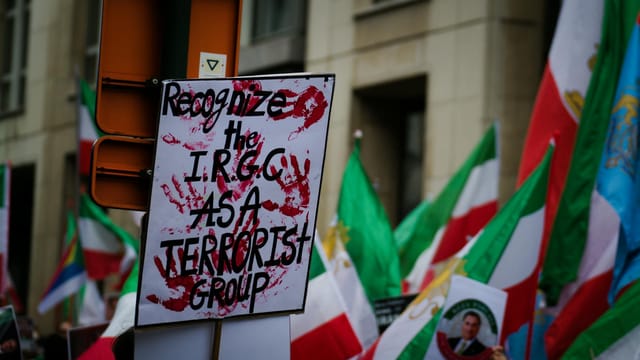
IRGC Navy Conducts Major Drills in Strait of Hormuz, Threatens Rapid Closure Capability
Iran’s IRGC navy held major drills in the Strait of Hormuz on February 17, 2026, with its commander saying the force could close the strait rapidly if necessary. The exercise is a calibrated display of asymmetric maritime capability designed to deter adversaries and exert leverage, while full closure would be costly and escalatory for Tehran.

Ultimatum and Carrier Groups: A Sudden Spike in US–Iran Tensions Raises Global Stakes
A Chinese report says that after Tehran signalled a possible US move away from military action, President Trump issued a one-month ultimatum and the US sent a second carrier group to the Middle East. The combination of hardline deadlines, naval deployments and a volatile regional context raises the risk of miscalculation with serious implications for energy markets and global stability.

Teeth on the Map: IRGC Naval Drills in the Strait of Hormuz Raise Stakes for Global Shipping
Iran’s IRGC conducted the main phase of naval exercises in the Strait of Hormuz on 17 February 2026, with commanders asserting the ability to close the waterway quickly if required. The move underscores a persistent vulnerability for global energy shipments and raises the prospect of heightened naval deployments, insurance costs, and diplomatic friction.

Carrier Strikes and Street Art: How Washington and Tehran Are Betting on Brinkmanship
A U.S. carrier strike group’s deployment to the Arabian Sea and high‑profile aerial operations have coincided with a breakdown in U.S.–Iran talks, prompting Tehran to answer with dramatic public propaganda and heightened military readiness. Both capitals face a strategic bind: Washington can project overwhelming conventional power but lacks a clear, achievable objective that won’t trigger wider conflict; Tehran cannot match U.S. forces but can raise costs through asymmetric means, particularly by threatening the Strait of Hormuz.
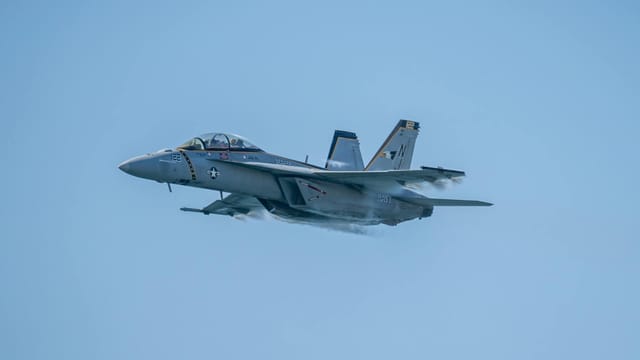
F-35C Downs Iranian Drone Near USS Lincoln — A Dangerous Test of Concealment and Escalation Risks
An F-35C from the USS Abraham Lincoln shot down an Iranian drone about 500 miles off Iran’s coast, a move the U.S. called defensive and Iran described as a reconnaissance aircraft that lost contact after transmitting images. The incident exposes limits in carrier stealth, demonstrates Iran’s surveillance reach, and raises the risk of inadvertent escalation amid rising regional military activity and arms transfers.

F‑35 Downs Iranian Drone as IRGC Fast Boats Harass U.S.‑Flagged Tanker — Diplomacy on a Knife‑Edge
A U.S. F‑35C shot down an Iranian drone near the USS Abraham Lincoln in the Arabian Sea, and IRGC fast boats later harassed a U.S.‑flagged tanker in the Strait of Hormuz. The incidents occurred as fragile talks between Washington and Tehran were being arranged, highlighting the risks that operational friction could derail diplomacy and raise the chance of miscalculation in regional waters.

Iran’s Bold Signals: Boat-Borne Harassment, Drone Shootdown and a Tactical Pause in Exercises Ahead of Nuclear Talks
A series of confrontations on February 3 — IRGC fast boats attempting to board a US‑flagged tanker and a US shootdown of an Iranian drone near USS Abraham Lincoln — were followed by Iran’s decision to postpone naval exercises with China and Russia. Tehran frames the delay as tactical de‑escalation ahead of nuclear talks while continuing to signal deterrence through asymmetric maritime actions.
Talks and Triggers: Tehran and Washington Signal Diplomacy as Both Sides Brace for Wider Conflict
Iran and the United States are simultaneously engaging in cautious diplomacy and escalating military postures, with Tehran warning that any U.S. attack would quickly broaden into a regional war. The key impasse centers on uranium enrichment, ballistic missiles and Iran’s regional activities, while naval drills in the Strait of Hormuz and heightened alerts increase the risk of miscalculation.

Khamenei Warns U.S. That Any Attack Would Ignite a Wider Regional War
Iran’s Supreme Leader Ali Khamenei warned that any U.S. attempt to start a war would rapidly spread into a full regional conflict, vowing firm retaliation to any aggression. The statement reinforces Tehran’s deterrent posture, heightens the risk of proxy escalation across the Middle East, and complicates Washington’s military calculus.

Saudi Neutrality Stalls U.S. Strike Plans — China’s 2023 Diplomacy Reaps Immediate Payoff
A phone call between Saudi Crown Prince Mohammed bin Salman and Iranian President Masoud Pezeshkian, backed by a clear Saudi pledge to block use of its territory or airspace for attacks on Iran, has stalled U.S. contingency plans for strikes. China’s mediation that produced the 2023 Beijing Statement provided the communication channels that enabled the de-escalatory move, underscoring Beijing’s rising diplomatic leverage in the Middle East.