
# ballistic%20missiles
Latest news and articles about ballistic%20missiles
Total: 24 articles found
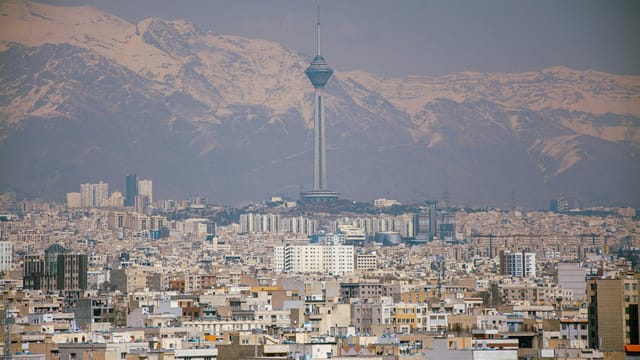
Iran Parades Advanced Ballistic Missile Ahead of US Talks, Signalling Hardened Deterrence
The IRGC unveiled the Khorramshahr‑4 medium‑range ballistic missile and an underground missile facility on 4 February, touting a 2,000 km range, 1,500 kg warhead and improved accuracy and re‑entry speed. The demonstration, timed ahead of narrowly focused US‑Iran nuclear talks in Muscat, is a strategic signal that Iran's missile deterrent is non‑negotiable and intended to shape regional and Western calculations.

Divided and Armed: Iran’s Internal Rift Threatens to Sabotage a High‑Stakes U.S. Negotiation
Heightened U.S. military pressure in the Gulf meets deepening factional rivalry inside Iran, where hardliners and sidelined reformists clash over how to respond. With missile upgrades and February 6 negotiations looming, Tehran’s internal divisions may determine whether diplomacy holds or conflict erupts, carrying broad regional consequences.

With Talks Set in Oman, Trump Warns of Military Strike if Iran Builds New Nuclear Sites
President Trump warned of military action if Iran builds new nuclear facilities as negotiations between the two countries were scheduled to begin in Muscat, Oman. The United States wants talks to cover missiles and regional activities, while Iran insists the agenda be confined to its nuclear programme and sanctions relief, creating a major sticking point that will test whether diplomacy can withstand heightened threats and regional pressure.
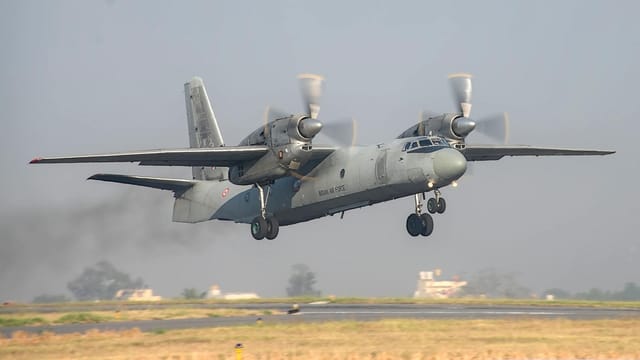
Iran Says It Has Upgraded Ballistic Missiles and Adopted Offensive Doctrine After '12-Day' War
Iran announced technical upgrades to its ballistic missile forces and a shift from defensive to offensive military doctrine after last year's 12-day conflict with Israel. The move is intended to strengthen deterrence, complicate potential strikes against Iran, and bolster Tehran’s leverage ahead of planned nuclear talks with the United States in Muscat.
Stakes of Scope: Iran Insists Muscat Talks Stay Narrow as U.S. Seeks Missile Guarantees
Iran and the United States will meet in Muscat to discuss Tehran’s nuclear programme, but a dispute over whether ballistic missiles should be on the agenda threatens to overshadow the talks. Tehran insists on a nuclear‑only mandate while Washington seeks broader guarantees, leaving the outcome uncertain and the regional security climate fragile.
Talks in Muscat Test Iran‑US Divide as Tehran Bars Missile Agenda
Iran and the United States will meet in Muscat to discuss nuclear issues, but Tehran insists the agenda exclude its ballistic‑missile programme, which Washington wants included. The clash over scope reflects deeper strategic disagreements and raises the likelihood that talks will be limited unless both sides accept sequencing or parallel tracks.
Tehran Insists on Nuclear-Only Talks as US Pushes to Broaden Agenda
Iran and the United States are set to hold talks in Muscat on February 6, but Tehran insists the agenda be limited to nuclear issues while Washington is pushing to include Iran’s ballistic missile programme. The disagreement over scope, combined with recent military signalling from Iran, raises the stakes for a fragile negotiation that could either defuse or inflame regional tensions.

Fragile Diplomacy: U.S. and Iran Agree to Oman Talks as Naval Confrontations Raise Stakes
The United States and Iran agreed to hold direct talks in Oman after Tehran demanded bilateral, nuclear-focused negotiations and shifted the venue from Turkey. Hours before the talks, a U.S. warplane shot down an Iranian drone near the USS Abraham Lincoln and U.S. forces escorted a tanker away from Iranian vessels, underscoring how fragile the diplomatic opening is and how quickly it could be ruptured by maritime incidents.
Talks and Triggers: Tehran and Washington Signal Diplomacy as Both Sides Brace for Wider Conflict
Iran and the United States are simultaneously engaging in cautious diplomacy and escalating military postures, with Tehran warning that any U.S. attack would quickly broaden into a regional war. The key impasse centers on uranium enrichment, ballistic missiles and Iran’s regional activities, while naval drills in the Strait of Hormuz and heightened alerts increase the risk of miscalculation.

Trump Sets an Unspecified Deadline for Talks with Iran, Raising Risks of Brinkmanship
President Trump says he has set a deadline for Iran to reach an agreement but declined to disclose the date, while Iran’s foreign minister says Tehran will only negotiate on equal terms and not under threat. Recent contacts between the two sides reportedly flagged U.S. demands on uranium enrichment and ballistic missiles—conditions Iran has so far rejected—leaving diplomacy precarious and the risk of escalation real.

As USS Abraham Lincoln Heads to the Gulf, Iran Mixes Military Readiness with Diplomatic Outreach to Avoid an All‑out War
The USS Abraham Lincoln carrier strike group is moving to the Middle East, prompting Iran to declare maximum military readiness and threaten strikes on U.S. bases. Tehran is simultaneously engaging in active diplomacy to limit the political space for American action and to rally regional support, while analysts warn the situation carries high risks of miscalculation and wider regional escalation.

U.S. Carrier Deploys to Middle East as Iran Vows Firm Response — Risk of a Limited Strike Spirals into Wider Regional Stakes
The Abraham Lincoln carrier strike group has entered the U.S. Central Command area, signalling heightened U.S. military readiness near Iran while Tehran declares maximum alert and vows retaliation. Washington retains multiple strike options but faces significant strategic risks — including regional escalation, threats to Gulf bases and energy-market shocks — making calibrated action and diplomacy the likeliest near-term path.