
# diplomacy
Latest news and articles about diplomacy
Total: 61 articles found

Talk or War? US and Iran Place Diplomacy and Force Side by Side
The United States and Iran have placed both diplomacy and military options on visible display: negotiators are due to meet in Istanbul even as both capitals conduct exercises and issue stark warnings. The dual posture widens room for bargaining but also raises the risk of miscalculation and regional escalation.

F‑35 Downs Iranian Drone as IRGC Fast Boats Harass U.S.‑Flagged Tanker — Diplomacy on a Knife‑Edge
A U.S. F‑35C shot down an Iranian drone near the USS Abraham Lincoln in the Arabian Sea, and IRGC fast boats later harassed a U.S.‑flagged tanker in the Strait of Hormuz. The incidents occurred as fragile talks between Washington and Tehran were being arranged, highlighting the risks that operational friction could derail diplomacy and raise the chance of miscalculation in regional waters.
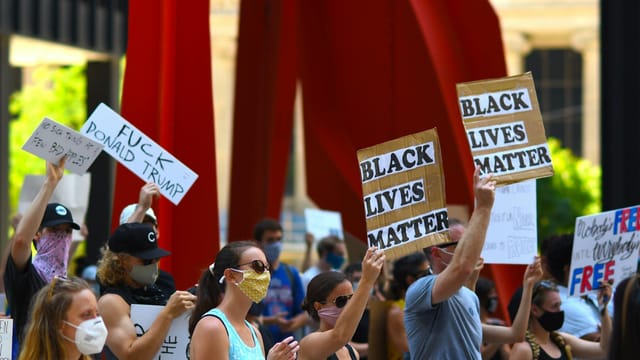
Trump Hails 19th‑Century Win Over Mexico as “Legendary”, Prompting Outrage and Diplomatic Friction
President Trump’s White House statement calling the U.S. victory in the 19th‑century Mexican‑American War a "legendary" triumph provoked anger in Mexico and revived painful historical memories. Mexican leaders and analysts described the rhetoric as insulting and potentially threatening, complicating cooperation on migration, security and trade even if immediate policy shifts are unlikely.

U.S. Signals Renewed Focus on East Mediterranean as Ambassador Hints at Trump Visit to Greece
The U.S. ambassador to Greece said President Trump plans an official visit to Athens, a move that signals renewed American attention to the eastern Mediterranean. The announcement, made at a first-lady documentary premiere, carries strategic weight amid regional maritime disputes and growing U.S. energy and defence interests. Key questions remain over timing and whether the trip will include other regional players such as Israel, Cyprus or Turkey.

Talks and Threats: Washington Keeps Iran Under Deliberate Ambiguity as Naval Forces Patrol the Gulf
The United States has combined public threats and naval deployments with discreet offers to negotiate with Iran, a strategy Washington has kept deliberately ambiguous. Tehran has responded with guarded engagement through intermediaries while reaffirming core red lines, raising the odds that any agreement will be limited and that miscalculation could still spark wider regional conflict.

China’s Open Door and a Fracturing G7: Why Western Leaders Are Visiting While Trump Stands Alone
A series of recent visits by G7 leaders to Beijing has highlighted a pragmatic turn among Western governments toward economic engagement with China, driven by market incentives and dissatisfaction with perceived U.S. unpredictability. The trend reflects hedging rather than alliance abandonment and raises challenges for U.S. influence if Washington cannot offer steadier, credible leadership.

US–Iran Standoff Tightens: Naval Build‑Up, Sanctions and a Narrow Window for Diplomacy
A sharp US–Iran confrontation has intensified as Washington increases naval deployments and sanctions while Tehran vows to retaliate and seeks regional diplomatic backing. Negotiations remain possible but are constrained by US preconditions that Iran rejects and by a narrow strategic space where miscalculation could shut the Strait of Hormuz and roil global markets.
Trump Signals Willingness to Talk to Iran While Pressing Hardline Demands and Deploying Naval Forces
President Trump said he has contacted Iran and plans further dialogue but issued two firm demands—no nuclear weapons and an end to lethal repression of protesters—while noting a substantial U.S. naval deployment in the region. The public mix of diplomacy and military threat raises the stakes for Tehran, risks regional escalation, and complicates the scope for quiet, multilateral negotiation.
Xi and Starmer Agree to a 'Long‑Term, Stable' Strategic Partnership as UK Prime Minister Visits Beijing
China and the UK agreed to develop a "long‑term, stable, comprehensive strategic partnership" after a meeting between Xi Jinping and Keir Starmer in Beijing. Beijing presented the outcome as a new, predictable framework for bilateral engagement, but the substance will be tested by future agreements and by how London balances ties with Washington and domestic scrutiny.

Cambodia Protests Thailand’s Plan to Sue Hun Sen and Hun Manet, Warning of Setback to De‑Escalation
Cambodia has formally protested Thailand’s move to pursue legal action against Senate President Hun Sen and Prime Minister Hun Manet, saying the step undermines de‑escalation efforts. Bangkok’s decision to bring civil and criminal claims risks politicising a border dispute and complicating ceasefire and restoration of bilateral ties.

China and Philippines Hold Quiet Sea Talks in Cebu, Pledging Continued Diplomatic Channels
Senior Chinese and Philippine diplomats met in Cebu on January 29, 2026 to discuss maritime and other shared issues, agreeing to maintain diplomatic communications. The talks reflect a mutual interest in managing tensions in the South China Sea, though no specific agreements were announced.

Xi and Starmer Agree to Reset: Beijing and London Pledge a 'Long‑Term, Stable' Strategic Partnership
Xi Jinping and UK Prime Minister Keir Starmer met in Beijing on January 29 and agreed to develop a "long‑term, stable comprehensive strategic partnership," a diplomatic formulation Beijing says reflects a new vision for bilateral ties. The declaration signals a mutual interest in resetting relations but leaves major political and security questions open, making concrete follow‑through crucial.