
# food safety
Latest news and articles about food safety
Total: 12 articles found

Pinduoduo Tightens Food-Safety Rules and Live-Stream Oversight to Keep Lunar New Year Supplies Flowing
Pinduoduo has launched a holiday‑period campaign combining subsidies for essential foods with stricter food‑safety and live‑stream governance. The platform has tightened seller licence checks, expanded AI‑enabled monitoring of advertising and images, mandated detailed permits for specific categories, and stepped up lab sampling and IP protections to reassure consumers during the Lunar New Year.

China’s Wallace Fast‑Food Chain Retreats from the Over‑The‑Counter Market as Debt, Safety Woes and Family Control Bite
Fujian Huashi Foods, operator of the Wallace fast‑food chain, has applied to terminate its NEEQ listing after years of rapid expansion left it with ballooning debt, declining margins and a spate of food‑safety complaints. The delisting may buy the company regulatory and compliance flexibility, but it also reduces transparency as the chain confronts the difficult task of shifting from scale‑at‑all‑costs to a quality‑focused model.

Premium by Promise: How 'Functional' Eggs Are Rewriting China's Egg Market
Chinese retailers and producers are charging significant premiums for eggs labelled as 'functional'—selenium‑enriched, DHA‑fortified, antibiotic‑free or suitable for raw consumption—by leveraging feed additives, tighter husbandry and marketing. Costs and risk management differ sharply across these claims, and tightening regulation is likely to compress ambiguous premiums, favouring integrated producers who can internalise the investments required.

When the Renewal Prompt Feels Risky: Why Chinese Households Are Rethinking Sam’s Club Memberships
Recurring food-safety and service lapses have turned the simple act of renewing a Sam’s Club membership in China into a fraught decision for many households. The incidents expose structural vulnerabilities in last-mile delivery, high-touch prepared-food processing and assortment strategy, threatening the trust-based business model that underpins membership retail.
Juewei’s Retreat: How China’s Once-ubiquitous Duck-Brand Is Losing Its Bite
Juewei, once the fastest-growing braised-snack chain in China, has closed thousands of stores and posted its first annual loss since listing, hit by overexpansion, food-safety incidents, regulatory penalties and intensifying price competition from small vendors. The decline highlights risks inherent in aggressive franchising and the need for tighter governance and product innovation in a saturated market.

China Tightens Rules on Platforms and Food Safety as Markets Jolt — A Daily Regulatory and Market Snapshot
China published a draft national standard for pre-made dishes and implemented new e‑commerce livestreaming rules that treat influencer endorsements as advertising, tightening the regulatory environment for platforms and brands. The announcements came as regulators fined major platforms and a viral promotional campaign ran into distribution controls, while markets reacted with volatility and China achieved a milestone test flight of an aerospace-made eVTOL.

Food‑safety warning clouds Ban U hotpot’s Hong Kong IPO push
Nanjing regulators detected excessive bifenthrin residue on oranges served at a Ban U hotpot branch, a finding that collides with the chain's quiet‑period preparations for a Hong Kong IPO. The incident highlights how food‑safety lapses and governance questions can complicate capital‑markets plans for consumer brands in China.

Testing Blind Spot in Infant Formula: Toxin Levels Can Jump up to 75× After Reconstitution
Belgium’s Sciensano found that cereulide toxin levels can be up to 75 times higher after infant formula is reconstituted than when measured in powder, a discrepancy linked to microencapsulated arachidonic acid (ARA). The discovery has triggered method revisions, industry recalls, and an EFSA proposal for a strict infant exposure limit, exposing gaps in testing standards and supply‑chain controls.

Once China's No.1 Baby-Formula Brand, Beingmate Stumbles Under Quality Complaints and a Dual Debt Crisis
Beingmate, once a leading domestic infant-formula brand in China, is battling repeated product-quality complaints, labour disputes and a severe liquidity crunch that is mirrored at its controlling shareholder. Coupled with regulatory warnings over accounting and opaque ESG disclosure, the company faces urgent operational and financial fixes to avoid restructuring, takeover, or deeper reputational damage.
Beijing Proposes National Rules for Pre‑Prepared Meals, Seeks Public Input on Labelling and Definitions
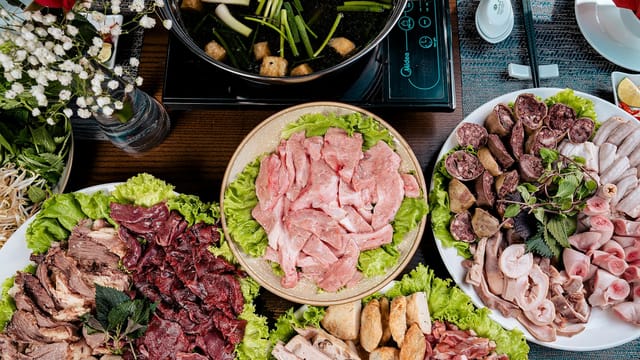
China has published draft national standards for pre‑prepared dishes and a proposal requiring restaurants to disclose processing methods, and is soliciting public comment. The rules aim to improve consumer protection and industry standardisation but may raise compliance costs for smaller businesses while accelerating consolidation and investment in cold‑chain infrastructure.
Xibei’s Chairman Rebuts ‘Two‑Year Broccoli’ Claim, Says Premium Frozen Product Costs 80–120% More
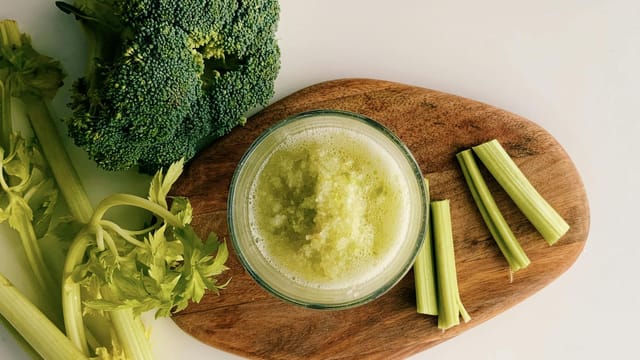
Xibei chairman Jia Guolong has defended the restaurant chain’s use of frozen organic broccoli, saying it is a premium, export‑grade product that costs 80–120% more than ordinary broccoli and is rapidly rotated in stores. He rejected claims that restaurants serve “two‑year‑old” broccoli, noting typical use within weeks and emphasizing quick‑freeze, preservative‑free production and full cold‑chain logistics.

China’s Livestreaming Star Faces Fresh Food-Safety Storm as ‘Mahuang Chicken’ Claims Unravel
A dispute in Anhui over whether a best‑selling chicken product promoted by Dong Yuhui’s livestreaming account is genuinely the regional "Wanxi Mahuang" bird has escalated into a regulatory probe and renewed scrutiny of the influencer’s supply‑chain controls. The clash highlights broader tensions in China’s fast‑moving livestream commerce between explosive sales growth and fragile provenance verification.