
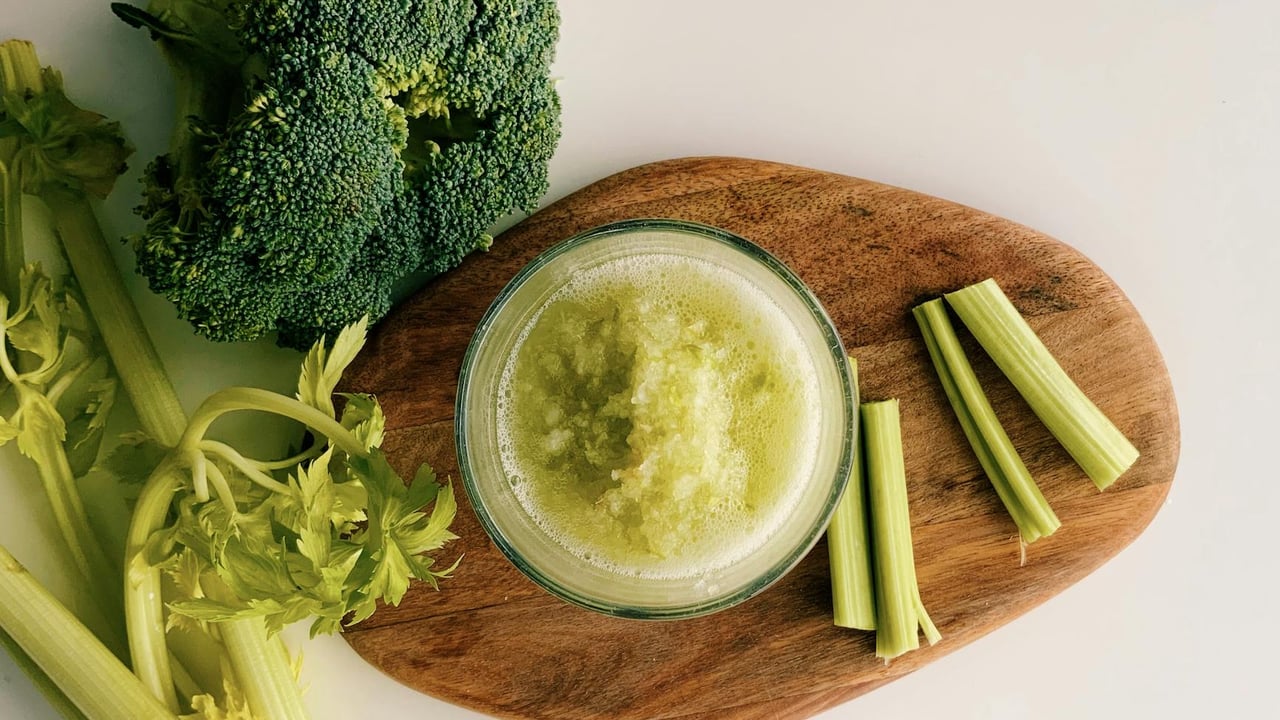

Xibei chairman Jia Guolong has publicly rebutted a consumer backlash over the restaurant chain’s use of frozen broccoli, insisting the product in question is a high‑grade, organic, pesticide‑free item sold at a significant premium to ordinary broccoli. In a social‑media post circulated to his contacts, Jia said Xibei’s frozen broccoli belongs to the market’s top quality tier and that even with bulk purchasing advantages the cost is 80–120% higher than typical fresh broccoli sold domestically.
Jia outlined technical and supply‑chain details to bolster the defence: the florets are ultra‑low‑temperature quick‑frozen without preservatives, exported to North America, Europe and Japan, and previously designated for the Asian Games. He added that the product is used by other prominent retailers, carried via full cold‑chain logistics, and that such freezing preserves vitamins, minerals and fiber while ensuring food‑safety standards.
Responding to worries about shelf life, Jia acknowledged that China's exported frozen vegetables commonly carry 18–24 month shelf‑life labels, but said Xibei never keeps product near those limits. He stated the chain’s fast turnover typically consumes organic frozen broccoli within two months and that current internal rules require use within one month, rejecting public suggestions of “two‑year‑old” produce on restaurant plates.
The exchange resurrected an earlier public scepticism from tech entrepreneur Luo Yonghao in September 2025, who questioned how frozen organic broccoli could legitimately carry a 24‑month shelf life without preservatives yet remain suitable for children. Luo has since publicly softened his stance after industry contacts told him frozen broccoli production costs are higher, implying Xibei’s product may have been unfairly maligned.
This episode sits at the intersection of food safety, supply‑chain transparency and reputational risk for China’s rapidly modernising foodservice sector. As more restaurants adopt frozen ingredients for consistency and cost control, consumers—who equate freshness with quality—are seeking clearer information on provenance, preservation methods and stock rotation practices, while firms scramble to explain technical differences between frozen export standards and domestic expectations.
For international observers the dispute illuminates broader dynamics: China is the world’s largest vegetable exporter, and its cold‑chain infrastructure has matured rapidly, yet consumer trust lags behind technical capability. How brands, regulators and influencers manage these narratives will determine whether frozen produce becomes accepted as a quality alternative or remains a flashpoint for food‑safety anxieties.