
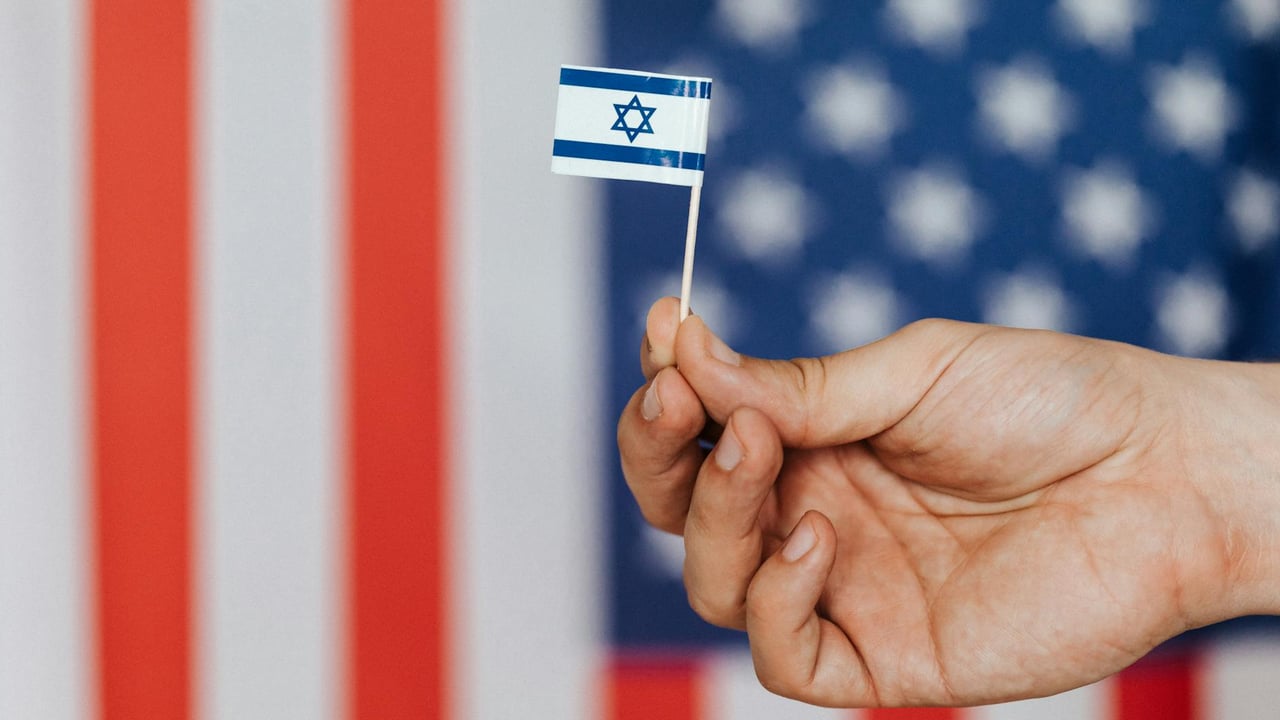

The United States has privately urged Israel to refrain from unilateral military action against Iran while Washington and Tehran resume nuclear talks in Muscat, Israeli officials said on Feb. 5. The request reflects a clear American calculation: an Israeli strike now would risk derailing delicate diplomacy and could draw the US back into direct hostilities it is trying to avoid.
Israeli interlocutors remain skeptical about the talks' prospects. Officials told Chinese media that they see ‘‘fundamental differences’’ between Washington and Tehran and judge an agreement to be ‘‘vanishingly unlikely.’’ Some in Jerusalem argue that a precision Israeli strike on key Iranian facilities would achieve results that even a US B-2 bomber campaign might not, underscoring differences in operational intent and risk tolerance between the allies.
The Muscat meetings follow a year of intermittent, Oman-mediated indirect negotiations that began in 2025. Those discussions repeatedly collided with intractable technical and political gaps: the US demands Iran cease uranium enrichment, while Tehran insists on an inviolable right to pursue peaceful nuclear energy. Momentum collapsed last year after an Israeli raid on Iranian targets triggered a 12-day clash, during which US strikes hit Iranian nuclear infrastructure and indirect talks were suspended.
Washington’s plea to Jerusalem thus has strategic logic. US officials worry that Israeli pre-emption or limited strikes could spiral, undermine arms-control leverage, and force American military responses that would alienate partners in the Gulf and Europe. At the same time, Washington’s request exposes a fraught reality: Israel retains both the will and the operational capability to act unilaterally, and its political leadership is driven by domestic pressures and a doctrine of self-preservation.
For Tehran the calculus is twofold. Iran wants to avoid giving the US and Israel a casus belli that would justify punitive military action, yet it also cannot accept uncompromising US demands to halt enrichment outright without substantial reciprocal concessions. That dynamic makes the Muscat talks precarious: any local escalation—Israeli or Iranian—could collapse negotiations and precipitate a wider regional confrontation.
The immediate implication for international audiences is that diplomacy remains fragile and contingent on restraint by third parties. Washington is attempting to thread a narrow needle: keep Iran negotiating while preventing Israeli actions that would scuttle progress. How effectively the US can influence Israeli decision-making will shape whether the region slips back into kinetic confrontation or stays, tenuously, on a diplomatic path.
If talks fail, the risk is not only a renewal of limited strikes but the prospect of broader conflict involving US forces, Gulf states, and non-state actors aligned with Tehran. Conversely, even a partial agreement that eases enrichment limits and expands monitoring would reduce the immediate incentives for military options and lower the odds of rapid escalation.
Policymakers in Washington and allied capitals face a choice: increase diplomatic pressure on both Tehran and Jerusalem to maintain the talks, or prepare contingencies for renewed hostilities. For global audiences, the episode underscores how bilateral alliances complicate multilateral crisis management and how local military calculus can undermine strategic diplomacy.