
# Oman
Latest news and articles about Oman
Total: 30 articles found

After Geneva Talks, White House Keeps Diplomacy Front and Center — but Military Action Remains on the Table
Following indirect Geneva talks, the White House said diplomacy remains President Trump’s first choice but kept a military option open. Regional mediators described the meeting as constructive, while U.S. officials warned Iran has not yet accepted key U.S. red lines.

US Masses Forces Near Iran as Geneva Talks Begin, Mixing Diplomacy with Coercion
The United States has redeployed aircraft and defensive systems closer to Iran and extended troop rotations as indirect nuclear talks with Tehran begin in Geneva. The concurrent build-up and diplomacy constitute a coercive strategy that raises the risk of miscalculation and could escalate regional instability if negotiations fail.
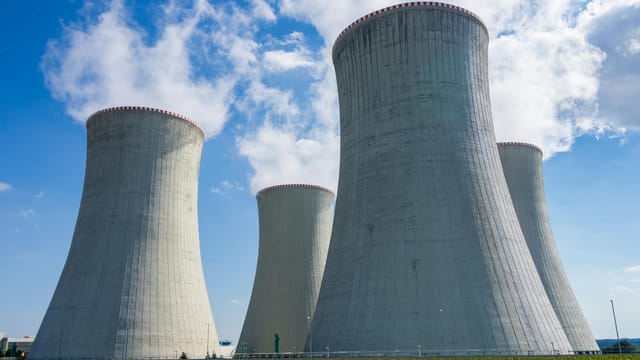
Iran Asserts Inalienable Right to Peaceful Nuclear Energy as U.S. Naval Pressure and Geneva Talks Loom
Iran has reiterated that its right to peaceful nuclear energy is inalienable under the NPT, while insisting it does not seek nuclear weapons and is open to inspections but will not accept excessive demands. The declaration comes as U.S. naval assets remain deployed in the region and indirect U.S.‑Iran talks, mediated by Oman, are due to resume in Geneva, leaving diplomacy and deterrence in uneasy balance.

Trump Sets One‑Month Deadline for Iran Deal as Tehran Says No U.S. Message Was Sent
President Trump has set a roughly one‑month timeline for a U.S. deal with Iran, warning of severe consequences if talks fail. Iran says it received no direct U.S. message — only Omani notes — and both sides say they want to continue indirect negotiations while conducting internal consultations. The mix of public ultimatums, Israeli red lines and a stepped‑up U.S. military presence raises the risk that diplomatic pressure could harden stances or lead to escalation.
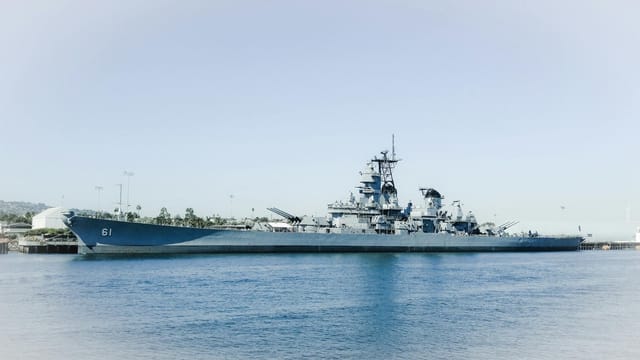
Second U.S. Carrier Headed to the Gulf as Geneva Talks with Iran Bring Coercion and Diplomacy into Sharp Relief
The U.S. is sending the USS Gerald R. Ford carrier strike group to the Middle East while U.S. envoys prepare indirect talks with Iran in Geneva on February 17. Washington seeks far‑reaching curbs on Iran’s nuclear and missile programs, while Tehran insists on its right to defensive capabilities, leaving a narrow path for agreement amid heightened military posturing.
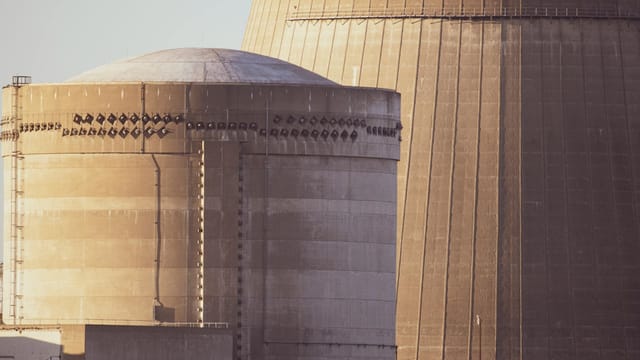
Iran’s Foreign Minister Says a “Fair” Nuclear Deal with Washington Is Feasible — but Not at the Cost of Sovereignty
Iran’s foreign minister said a deal with the United States over Iran’s peaceful nuclear programme is possible if it is “fair and balanced” and provides credible security guarantees. The comments, made on the Revolution anniversary, come after indirect talks in Oman and high-level consultations in Washington and underscore both diplomatic openings and domestic constraints on any agreement.

Iran Rejects ‘Zero Enrichment’ Demand, Flashes Missile Muscle and Seeks Backup from China and Russia
After secret talks in Oman, Iran has rejected U.S. demands for a complete halt to uranium enrichment and set strict red lines excluding missiles and regional influence from negotiations. Tehran’s public briefing to Russia and China and a high‑profile missile display signal it is preparing for both diplomacy and deterrence, raising the stakes for Washington and its allies.
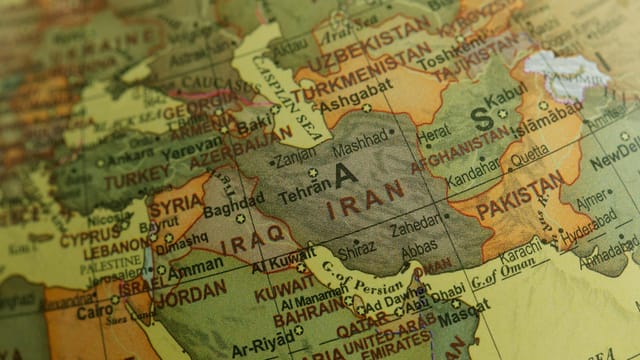
Muscat Talks Signal New U.S.–Iran Dialogue Track, Raising Hopes — and Risks — for De‑Escalation
A first round of indirect U.S.–Iran nuclear talks in Muscat has produced unusually positive public signals from both sides and appears to have established a new, more visible dialogue mechanism under Omani mediation. While this reduces short‑term escalation risks, substantive agreement will be hard to achieve quickly given domestic constraints and regional spoilers.
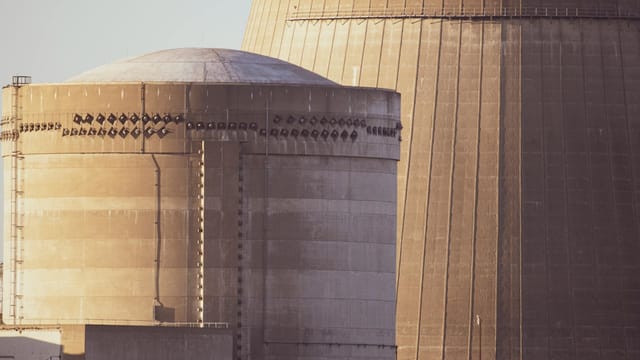
Iran's Dual Track: Offering Dialogue While Drilling In for a Fight
Iran is simultaneously signaling willingness to negotiate with the United States over nuclear issues while publicly reaffirming military readiness and core red lines. Regional intermediaries like Oman are facilitating indirect talks, but continuing US pressure and Israeli demands risk undermining progress unless both sides adopt reciprocal confidence‑building measures.

Iran’s Larijani Warns Washington to Snub Israeli Pressure on Nuclear Talks Ahead of Netanyahu Visit
Ali Larijani, Iran’s Supreme National Security Council secretary, publicly urged the U.S. to be wary of Israel’s influence as Prime Minister Netanyahu heads to Washington, accusing Israel of a ‘‘destructive’’ role in shaping nuclear-talks frameworks. The warning highlights Tehran’s concern that Israeli pressure could skew U.S. policy on Iran’s nuclear program and complicate diplomacy.
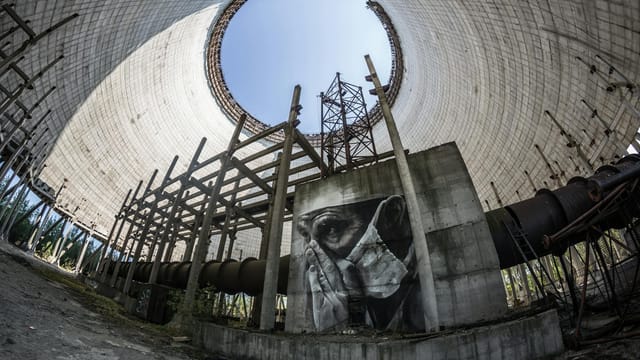
Iran Signals Flexibility on Enrichment but Warns Talks May Move as Muscat Round Ends
Iran signalled cautious flexibility in indirect talks with the United States, saying the second round’s venue may change while reiterating opposition to exporting uranium but openness to reduced enrichment levels. Tehran stressed it does not want regional war but warned that U.S. military action would complicate negotiations, which remain contingent on an environment free of threats and pressure.

Iran Draws Two Red Lines After Indirect US Talks: Enrichment and Missiles Non-Negotiable
Following indirect, Oman‑hosted talks with US interlocutors, Iran’s foreign minister Alaghaqi set two firm red lines: the country will not surrender its right to enrich uranium and will not negotiate its missile programme. The comments narrow the scope for a comprehensive deal and point toward limited, technical confidence‑building measures rather than a broader arms‑control bargain.