
# Muscat
Latest news and articles about Muscat
Total: 16 articles found
Muscat Talks Signal New U.S.–Iran Dialogue Track, Raising Hopes — and Risks — for De‑Escalation
A first round of indirect U.S.–Iran nuclear talks in Muscat has produced unusually positive public signals from both sides and appears to have established a new, more visible dialogue mechanism under Omani mediation. While this reduces short‑term escalation risks, substantive agreement will be hard to achieve quickly given domestic constraints and regional spoilers.
Iran Signals Flexibility on Enrichment but Warns Talks May Move as Muscat Round Ends
Iran signalled cautious flexibility in indirect talks with the United States, saying the second round’s venue may change while reiterating opposition to exporting uranium but openness to reduced enrichment levels. Tehran stressed it does not want regional war but warned that U.S. military action would complicate negotiations, which remain contingent on an environment free of threats and pressure.
Tentative Talks in Muscat: A Fragile Reset Between Washington and Tehran
The United States and Iran held indirect talks in Muscat on February 6 that both sides called a constructive start, but Tehran rejected any outright ban on uranium enrichment and Washington concurrently imposed sanctions on Iranian oil-related actors. The meeting, welcomed by regional states and the UN, took place amid intense military posturing and a narrow window for diplomacy, leaving outcomes uncertain.

Cautious Breakthrough in Muscat: Iran and U.S. End Indirect Nuclear Talks ‘For Now’
Iran and the United States held indirect nuclear talks in Muscat on Feb. 6 that both sides described as a promising start but paused ‘‘temporarily’’ for consultations. Tehran insisted the dialogue remain limited to the nuclear file and rejected a precondition to cease uranium enrichment, while Washington emphasized diplomacy but kept military options visible.
Cautious Breakthrough in Muscat: Iran and U.S. Pause Indirect Nuclear Talks After 'Good' Opening
Iran and the United States held indirect nuclear talks in Muscat on February 6 that Tehran described as a constructive start. The session ended "temporarily" with agreement to continue discussions, but Iran insisted negotiations be confined to nuclear issues and rejected a precondition banning uranium enrichment.

Cautious Opening in Muscat: U.S. and Iran Hold High‑Risk Indirect Talks Under Military Shadow
U.S. and Iranian delegations met indirectly in Muscat for the first diplomatic contact since last year’s strikes; Tehran called the talks “positive” but both sides remain far apart on scope. Washington sought to discuss missiles and proxy networks as well as the nuclear file, demands Iran rejects as non‑negotiable. The meeting reduces immediate escalation risk but underlines deep mistrust and a high chance of miscalculation amid regional and domestic pressures.

Washington Presses Israel to Stand Down as US and Iran Return to the Table
The United States has asked Israel to avoid unilateral military action against Iran while American and Iranian officials meet in Muscat, reflecting Washington's concern that an Israeli strike could derail fragile nuclear talks. Israeli officials remain doubtful an agreement is possible, and the episode highlights the persistent risk that local military moves could trigger broader regional escalation.
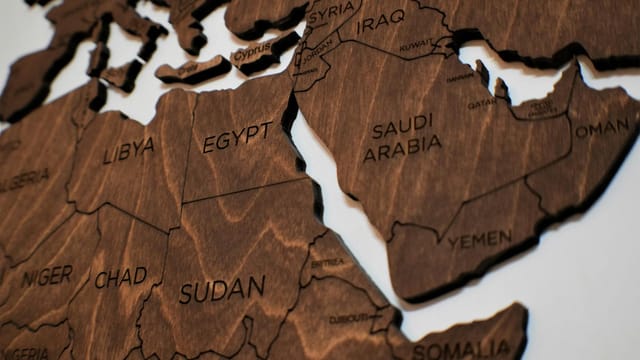
Quiet Progress in Muscat: Iran and US Agree to Continue Indirect Talks, Tehran Flags 'No Pressure' Condition
Iran and the United States held indirect talks in Muscat on February 6 that Tehran described as a promising start. Both sides agreed to continue negotiations, with Iran stressing that the removal of threats and pressure is a necessary precondition for substantive progress.

Muscat Hosts Quiet Iran–US Indirect Talks as Oman Acts Broker
Iran and the United States held indirect talks in Muscat on February 6 with Oman acting as intermediary. The low-profile meeting, attended by Iran’s foreign minister Araghchi and a U.S. envoy Witkoff with Jared Kushner present, signals cautious diplomatic engagement but stops short of any immediate, comprehensive agreement.
Muscat Mediation Keeps U.S.–Iran Nuclear Dialogue Alive, But Substance Still Divides Them
Indirect talks in Muscat on 6 February mediated by Oman produced a limited breakthrough: Iran and the U.S. agreed to continue dialogue, though core terms remain disputed. The mediated format reflects deep mistrust but also a shared interest in avoiding escalation while technical and political obstacles are negotiated.

Muscat Hosts US–Iran Backchannel as Oman Reasserts Role as Regional Broker
Iran and the United States held indirect talks in Muscat on 6 February, hosted by Oman and attended by Iranian foreign minister Araghchi and a U.S. delegation including a presidential envoy and Jared Kushner. The session underscores Oman's long‑standing role as a discreet intermediary and opens a cautious channel for pragmatic, limited diplomacy amid significant domestic and regional constraints.

Fragile Diplomatic Thaw: US and Iran Resume Indirect Talks in Muscat Amid Military Tensions
The U.S. and Iran resumed indirect nuclear talks in Muscat on 6 February under Omani mediation after intense regional pressure, even as military tensions rose following a U.S. shootdown of an Iranian drone. Fundamental disagreements—over enrichment, missiles and regional influence—remain, making the talks a fragile de-escalation rather than a lasting solution.