
# Middle%20East
Latest news and articles about Middle%20East
Total: 109 articles found
Iran Puts Air Force on Highest Alert, Sending a Regional Deterrence Message
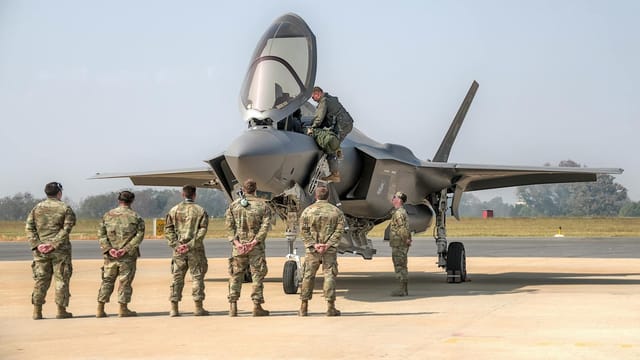
Iran’s armed forces chief of staff announced that the air force is at the highest state of readiness, presenting the posture as defensive deterrence while warning adversaries of severe consequences for aggression. The move signals Tehran’s intent to shape regional calculations amid ongoing tensions with the US, Israel and Gulf states, and raises the risk of miscalculation if actions follow the rhetoric.
US Pulls Two F-22s from Super Bowl Flyover as Operational Tempo Near Iran Rises
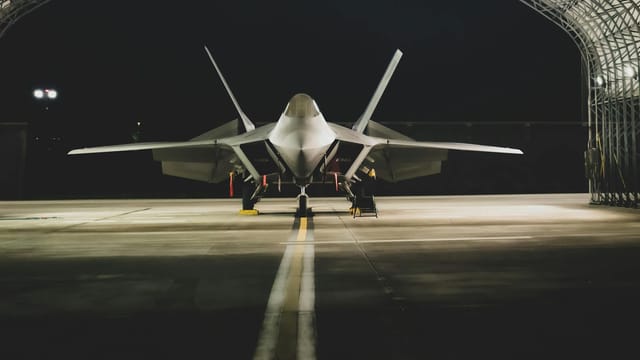
The US Air Force pulled two F-22 stealth fighters from the Super Bowl flyover after reassigning them to operational tasks amid heightened activity related to Iran. The move highlights the limited availability of fifth‑generation assets and signals that the Pentagon is prioritizing real‑world missions over public displays during a period of increased tension in the Middle East.
Leaked Draft Shows U.S. Tying Iran Deal to Cuts in Oil Sales to China — A Strategic Move Beyond the Gulf
A leaked draft published by Israeli sources shows U.S. negotiating demands on Iran include a reduction of Iranian oil exports to China, turning a nuclear and regional-security dialogue into a broader U.S.–China contest. Tehran is unlikely to accept terms that undermine its deterrent capabilities and economic lifelines, and the clause risks pushing Iran closer to Russia and deepening great‑power geopolitical rivalry.

UN Chief Welcomes Resumption of Iran–US Talks, Offering a Sliver of Diplomatic Momentum
The UN Secretary‑General welcomed the resumption of talks between Iran and the United States, a move that opens a modest diplomatic window. While symbolic and potentially stabilising for the region, meaningful progress will face significant political and technical hurdles and is likely to be slow and incremental.
Tentative Talks in Muscat: A Fragile Reset Between Washington and Tehran
The United States and Iran held indirect talks in Muscat on February 6 that both sides called a constructive start, but Tehran rejected any outright ban on uranium enrichment and Washington concurrently imposed sanctions on Iranian oil-related actors. The meeting, welcomed by regional states and the UN, took place amid intense military posturing and a narrow window for diplomacy, leaving outcomes uncertain.
Under Siege at Home and Abroad: Iran’s Hardliners Demand Punishment for Rouhani as U.S. Pressure Mounts
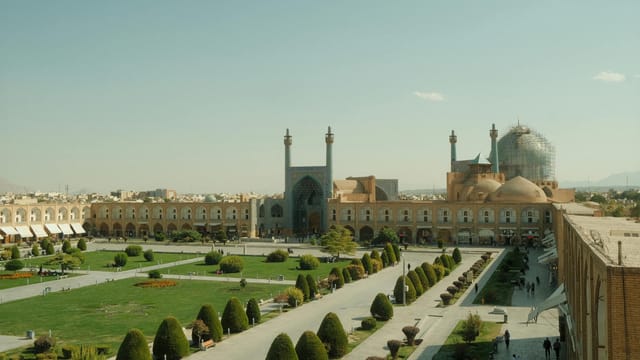
Hardline factions in Iran have intensified attacks on reformists, with some calling for the execution of former president Hassan Rouhani, against a backdrop of increased U.S. military deployments in the Gulf. The dispute pits hawks who favour confrontation against reformists who seek diplomatic de‑escalation, leaving the Supreme Leader’s choices as the pivotal determinant of whether tensions remain domestic or spill into regional conflict.
Arms as Leverage: Why Washington, Tehran and Jerusalem Are Flexing Ahead of Oman Talks
In the days before Oman‑hosted talks, the US, Iran and Israel have all escalated military posturing. Chinese analyst Qin Tian argues these moves are intended both to strengthen bargaining positions and to prevent accidental escalation, while regional states work to avert broader conflict.

Cautious Opening in Muscat: U.S. and Iran Hold High‑Risk Indirect Talks Under Military Shadow
U.S. and Iranian delegations met indirectly in Muscat for the first diplomatic contact since last year’s strikes; Tehran called the talks “positive” but both sides remain far apart on scope. Washington sought to discuss missiles and proxy networks as well as the nuclear file, demands Iran rejects as non‑negotiable. The meeting reduces immediate escalation risk but underlines deep mistrust and a high chance of miscalculation amid regional and domestic pressures.
Guterres Welcomes Iran–US Talks in Oman as a Chance to Defuse Regional Tensions
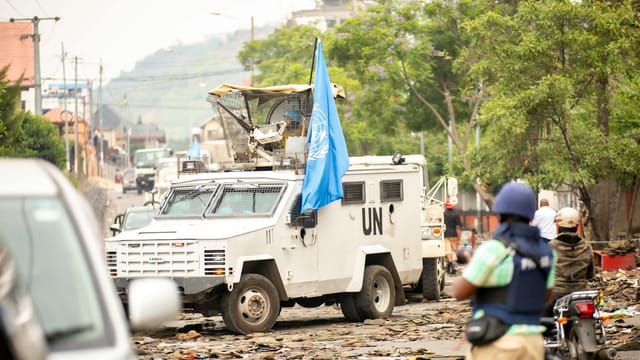
UN Secretary‑General António Guterres welcomed the resumption of Iran–US talks hosted by Oman on 6 February, urging peaceful resolution of disputes under the UN Charter. The meetings are a modest but meaningful step to reduce regional tensions, though outcomes remain uncertain given domestic and regional constraints.

U.S.–Iran Talks Brokered by Oman Pause, Leaving a Fragile Diplomatic Channel Open
Talks between Iran and the United States, mediated by Oman, have been temporarily paused with no public details on outcomes. The halt preserves a discreet channel of communication while leaving multiple diplomatic and security questions unresolved.
Iran Parades Advanced Ballistic Missile Ahead of US Talks, Signalling Hardened Deterrence
The IRGC unveiled the Khorramshahr‑4 medium‑range ballistic missile and an underground missile facility on 4 February, touting a 2,000 km range, 1,500 kg warhead and improved accuracy and re‑entry speed. The demonstration, timed ahead of narrowly focused US‑Iran nuclear talks in Muscat, is a strategic signal that Iran's missile deterrent is non‑negotiable and intended to shape regional and Western calculations.

Divided and Armed: Iran’s Internal Rift Threatens to Sabotage a High‑Stakes U.S. Negotiation
Heightened U.S. military pressure in the Gulf meets deepening factional rivalry inside Iran, where hardliners and sidelined reformists clash over how to respond. With missile upgrades and February 6 negotiations looming, Tehran’s internal divisions may determine whether diplomacy holds or conflict erupts, carrying broad regional consequences.