
# electric%20vehicles
Latest news and articles about electric%20vehicles
Total: 57 articles found
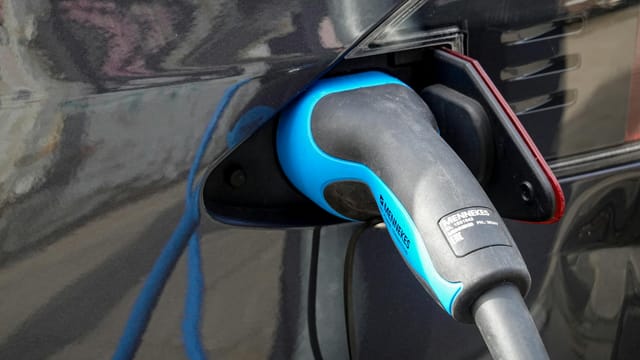
Germany Relaunches EV Purchase Subsidy — Up to €6,000 to Reboot Electric Car Sales and Shield Auto Industry
Germany has reintroduced a tiered EV purchase subsidy offering €1,500–€6,000 per private buyer for new registrations from 1 January 2026, backed by €3 billion over three years and intended to support up to 800,000 vehicles. The measure aims to revive household demand, protect domestic automakers amid international competition, and accelerate the country’s shift to electric mobility, though it poses fiscal, regulatory and infrastructure challenges.
Germany Revives EV Purchase Grants — Up to €6,000 to Reignite Demand and Protect the Auto Industry
Germany has reinstated purchase subsidies for electric cars, offering between €1,500 and €6,000 to private buyers of new battery electrics and certain hybrids registering from 1 January 2026. The policy aims to boost demand, protect domestic industry and accelerate decarbonisation, but its effectiveness will depend on targeting, uptake and complementary investments in infrastructure.
China’s Electric-Car Moment: From Subsidy Reliance to a Naked Competition for Tech, Range and Loyalty
China’s electric‑vehicle market crossed a critical threshold in 2025, with EV penetration topping 50 percent and charging and swapping infrastructure expanding rapidly. As subsidies taper in 2026, competition will pivot from market share driven by policy to product, software and service quality—making tech depth, cost control and ecosystem play decisive factors.
China’s Industrial Output Ends 2025 Stronger but Uneven: Tech and Transport Up, Steel and Cement Down
China's industrial value added for large firms rose 5.2% year on year in December and 5.9% for 2025, with manufacturing and high‑tech sectors outperforming traditional heavy industries. Strong gains in electronics, transport equipment and new energy vehicles contrast with declines in steel and cement, reflecting an ongoing rebalancing of domestic demand and industrial structure.
Nio’s New ES8 Tops 50,000 Deliveries in Four Months, Signalling Strength in China’s Premium EV Market
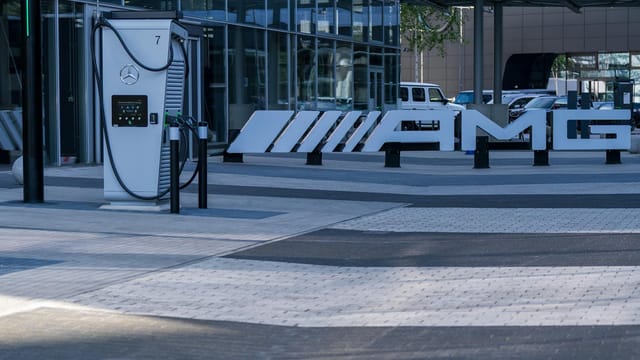
Nio reported that its newly launched ES8 surpassed 50,000 deliveries 120 days after deliveries began, averaging about 417 vehicles per day. The rapid ramp underscores solid early demand in the premium SUV segment but raises questions about sustainability amid fierce competition and margin pressures.

Lei Jun Rolls Out 7‑Year Low‑Interest Plan for Xiaomi’s YU7 as He Pushes Back on Negative Headlines
Lei Jun used a livestream to announce a seven‑year low‑interest financing option for Xiaomi’s YU7, enabling down payments under RMB 50,000, and urged against negative media coverage after a spate of critical stories about Xiaomi’s cars. The move aims to lower purchase barriers and counter second‑hand market narratives but carries margin and financing risks for the company as it scales in the competitive Chinese EV market.
Xpeng Accelerates Charging Build‑out — 53 New Supercharging Stations Added in First Two Weeks of 2026
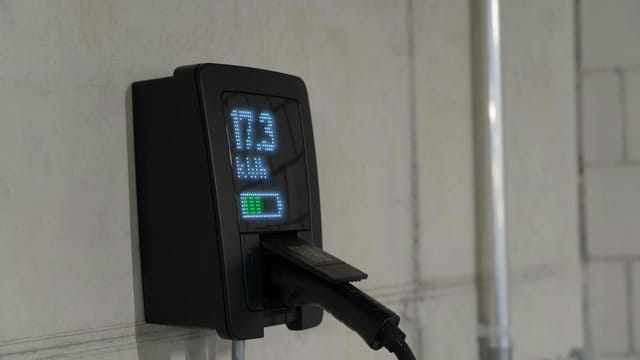
Xpeng reported the addition of 53 ultra‑fast charging stations in the first two weeks of 2026, highlighting the company’s focus on building charging infrastructure as a competitive edge. The expansion addresses consumer convenience but also poses capital and operational challenges amid intense rivalry and growing public charging investment.
Canada Drops 100% EV Tariff on China, Replaces It with Quotas in Bid to Reset Trade and Attract Investment
Canada has rescinded a 100% tariff on Chinese electric vehicles and replaced it with a quota allowing 49,000 EVs at a 6.1% tariff, rising to 70,000 over five years, part of a broader thaw in Ottawa‑Beijing ties. The shift aims to lower consumer prices, attract Chinese investment in batteries and grid storage, and restore agricultural exports, but key details and formal Chinese confirmation remain outstanding.
Xpeng Accelerates Its Charging Rollout, Adding 53 High‑Power Stations in Early January
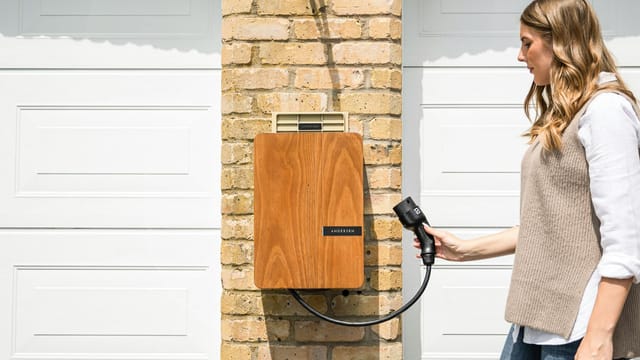
Xpeng added 53 charging stations in the first two weeks of 2026, prioritising ultra‑fast capacity with 42 S4/S5 sites. The move reflects a strategic push to enhance the ownership experience and build a proprietary charging ecosystem, though substantial capital and operational challenges remain in scaling nationwide.