
# maritime%20security
Latest news and articles about maritime%20security
Total: 19 articles found

China’s 10,000‑Ton Destroyer Lhasa Builds Ship‑Wide Shield Against Drone Swarms
China’s 10,000‑ton destroyer Lhasa has adopted a ship‑wide anti‑unmanned warfare deployment, integrating sensors, electronic and kinetic defenses to counter drone swarms. The move signals a wider PLA Navy effort to harden surface ships against proliferating low‑cost unmanned threats that complicate maritime operations.

China Films Philippine Vessel Dumping ‘Unknown Object’ Near Spratly Islands, Raising Tensions in the South China Sea
Chinese authorities released footage showing a Philippine Coast Guard vessel discarding an unidentified object near the Spratly Islands on Feb. 16, a small incident that nevertheless amplifies tensions in the contested South China Sea. The episode highlights how filmed encounters and the deployment of equipment at sea serve as instruments of strategic signaling between Manila and Beijing.

China Signals Military Resolve in South China Sea as Manila Pauses U.S.-Backed Patrol Push
China staged sea-and-air patrols after a Philippines naval exercise and an attempted U.S.-backed joint patrol, signalling a willingness to defend maritime claims while using targeted diplomatic measures against local Philippine officials. The episode illustrates the limits of U.S. reassurance, the risks of great-power friction in the South China Sea, and Manila’s constrained choices between alliance signalling and geographic realities.

IRGC Navy Conducts Major Drills in Strait of Hormuz, Threatens Rapid Closure Capability
Iran’s IRGC navy held major drills in the Strait of Hormuz on February 17, 2026, with its commander saying the force could close the strait rapidly if necessary. The exercise is a calibrated display of asymmetric maritime capability designed to deter adversaries and exert leverage, while full closure would be costly and escalatory for Tehran.

Teeth on the Map: IRGC Naval Drills in the Strait of Hormuz Raise Stakes for Global Shipping
Iran’s IRGC conducted the main phase of naval exercises in the Strait of Hormuz on 17 February 2026, with commanders asserting the ability to close the waterway quickly if required. The move underscores a persistent vulnerability for global energy shipments and raises the prospect of heightened naval deployments, insurance costs, and diplomatic friction.
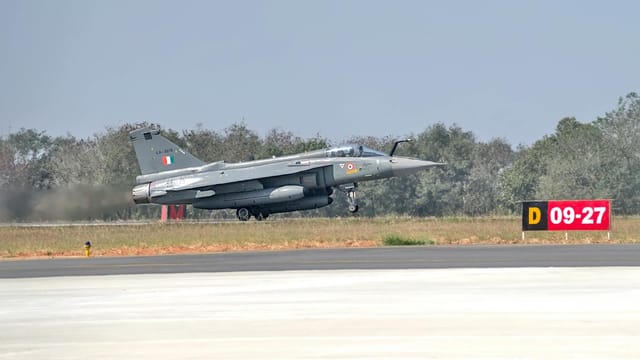
India–EU Defence Pact: A Framework That Builds Bridges but Bars Core Technology
The India–EU Security and Defence Partnership signed at the New Delhi summit creates a formal framework for cooperation across five defence domains but stops short of transferring core technologies. The pact is likely to yield limited, mid‑level collaboration—maritime information sharing, cyber cooperation and equipment upgrades—while high‑end co‑development remains constrained by European technology protection and internal divisions.
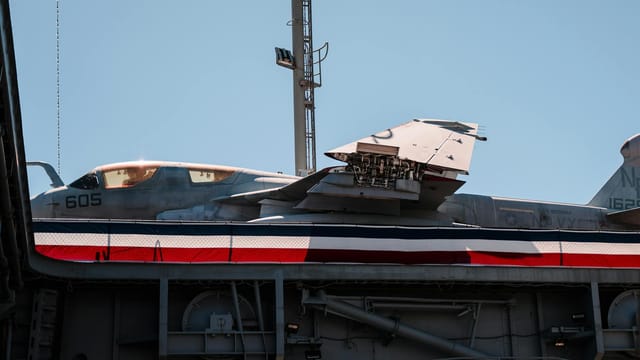
Trump Confirms Dispatch of Second U.S. Carrier to Middle East, Raising Stakes in Regional Power Play
Donald Trump confirmed that the U.S. will deploy a second aircraft carrier to the Middle East, signaling a stepped-up American military posture amid persistent regional tensions. The move is intended to deter attacks and reassure allies, but it also raises the risk of miscalculation and broader economic and geopolitical consequences.
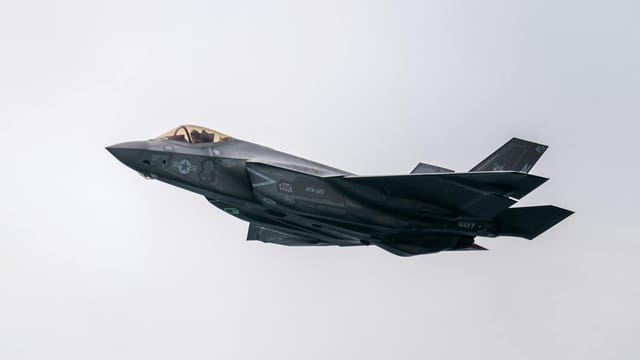
Strike a Carrier, Invite a Response: Why Hitting a U.S. Aircraft Carrier Would Force Washington's Hand
A Beijing commentary argued that an Iranian strike on a U.S. aircraft carrier would almost certainly draw U.S. retaliation. Such an attack would challenge American deterrence, risk rapid escalation across the region, and have immediate diplomatic and economic repercussions for global shipping and markets.
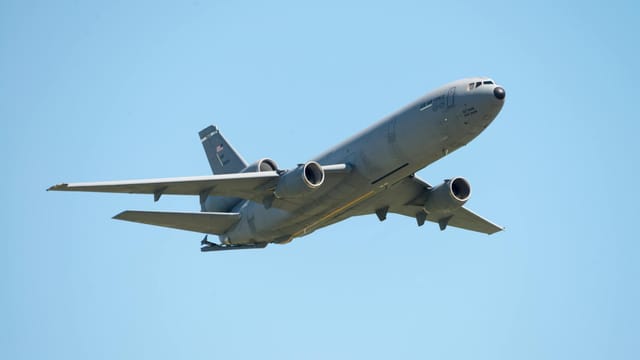
Why Missiles Alone Won't Topple a Carrier: What the Escalating US–Iran Standoff Reveals About Modern Naval Power
Rising tensions between the United States and Iran have rekindled debate over whether long‑range ballistic missiles can neutralize U.S. aircraft carriers. While intercontinental missiles serve strategic deterrence, they are ill suited to hit moving naval formations; the real threat to carriers comes from more targeted anti‑ship systems and asymmetric tactics in confined waters. The standoff highlights a shift in naval competition: carriers remain central to power projection, but must be defended and complemented by new doctrines and technologies to remain credible in contested littorals.

Trump Envoy and Kushner Join CENTCOM Chief Aboard USS Abraham Lincoln After F‑35C Downs Iranian Drone
A U.S. presidential special envoy, the CENTCOM commander (named in Chinese reports as Brad Cooper), and Jared Kushner visited the carrier USS Abraham Lincoln on February 7, meeting crew who had been involved in shooting down an Iranian drone. The encounter—an F‑35C shot down an unmanned Iranian aircraft near the carrier—illustrates rising maritime tensions, the deployment of advanced carrier airpower against drones, and the political signaling inherent in senior visitors joining forward naval forces.

US Releases Footage of Trump Envoy and Son‑in‑Law Aboard Carrier in Arabian Sea, Raising Protocol and Political Questions
The Pentagon released video showing a delegation including a former president’s special envoy and his son‑in‑law aboard the USS Abraham Lincoln in the Arabian Sea. The visit highlights tensions between public diplomacy, operational security, and the risk of politicizing military assets in a contested maritime theatre.

F‑35 Downs Iranian Drone as IRGC Fast Boats Harass U.S.‑Flagged Tanker — Diplomacy on a Knife‑Edge
A U.S. F‑35C shot down an Iranian drone near the USS Abraham Lincoln in the Arabian Sea, and IRGC fast boats later harassed a U.S.‑flagged tanker in the Strait of Hormuz. The incidents occurred as fragile talks between Washington and Tehran were being arranged, highlighting the risks that operational friction could derail diplomacy and raise the chance of miscalculation in regional waters.