
# morale
Latest news and articles about morale
Total: 9 articles found
Singing to Fight: How the PLA Uses Heroic Memory to Cement a ‘Win-Ready’ Army
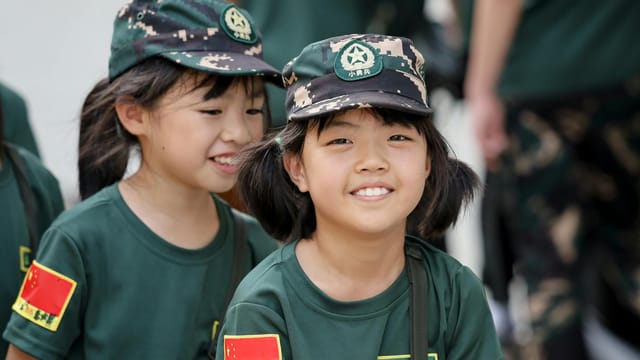
China’s military media released footage of troops singing a patriotic song tied to Korean War hero Qiu Shaoyun, blending historical martyrdom with contemporary calls to “fight and win.” The portrayal is a deliberate mix of morale-building and political signalling as the PLA modernises and faces more frequent regional tensions. The episode highlights how Beijing fuses cultural programming with force development to shape troop identity and communicate resolve to domestic and international audiences.
Tearjerker on the Plateau: How China’s High‑Altitude Women Soldiers Became a New‑Year PR Campaign
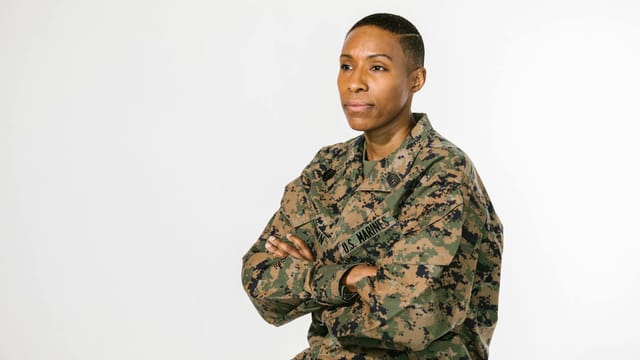
A Feb. 17 video from China Military Video Network profiles women soldiers serving at high altitude, using emotional storytelling to humanize the PLA. The piece serves domestic legitimacy, gender messaging and strategic signalling by showcasing resilience and readiness in geopolitically sensitive plateau regions.

Frontline Gala: How a Xinjiang Border Company Marries Pageantry with Patrols to Boost Morale
A Xinjiang border company staged a Spring Festival‑style gala that blended family performances, music from a joint military band, and celebration of recent training successes. The event served to bolster morale, underscore multi‑ethnic cohesion and link an isolated outpost symbolically to the national centre while reaffirming the company’s operational readiness on a strategically sensitive frontier.
When the Prelude Plays: China’s 2026 Military Spring Gala Reaffirms the PLA’s Cultural ‘DNA’
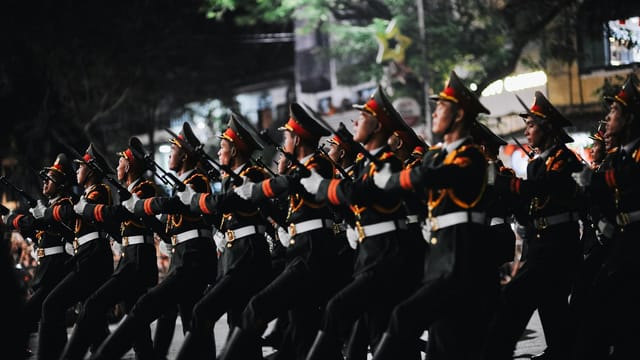
China’s 2026 military Spring Festival Gala used music and spectacle to promote the idea of an enduring "military soul," reinforcing political loyalty and morale inside the PLA while projecting unity to the wider public. The event illustrates how cultural programming has become an instrument of military modernization and domestic signaling.
China’s 2026 Military New Year Gala Repackages ‘Unchanging’ Soldierly Spirit for a New Audience
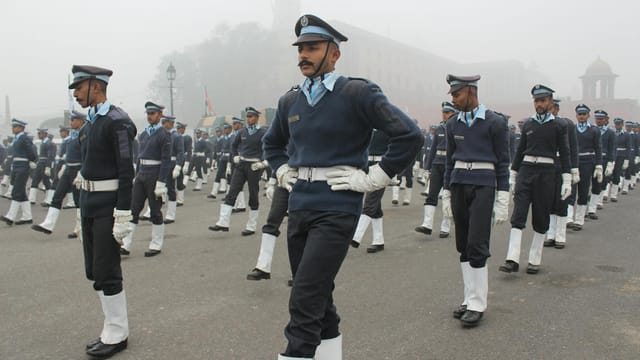
China’s 2026 military Spring Festival Gala used music and staged scenes to highlight a continuous ‘military DNA’ and reinforce themes of sacrifice and loyalty. Presented during the Lunar New Year by state military media, the gala functions as a cultural tool to boost troop morale and shape public perceptions of the PLA.
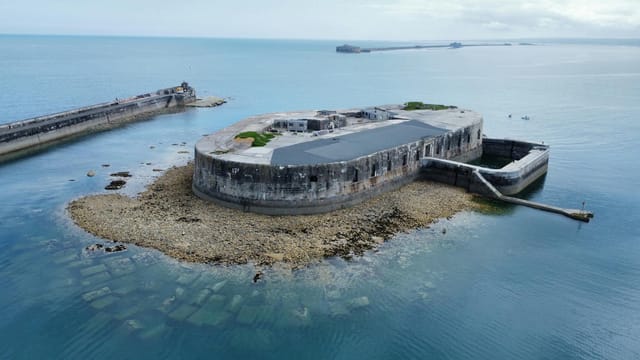
Lights in the Mountains: Inside a Remote PLA Garrison’s Push to Modernize and Maintain Readiness Over Lunar New Year
A remote PLA information-support unit spent the Lunar New Year period combining two-decade-old maintenance rituals with new intelligent-control systems, emergency drills and family-outreach measures to sustain readiness and morale. The mix of hands-on repair work, automation and social support illustrates how China’s military modernization is playing out at the garrison level and why sustaining public trust in the armed forces matters for domestic stability.
Walls of Keepsakes: How Remote Northern Outposts Turn Memory into Mission
Soldiers at three remote posts in the Daxing'anling forest have transformed dormitory walls into visual records of endurance and craft—photographs, grain mosaics and birch‑bark bookmarks that memorialize repairs, promotions and family ties. These grassroots practices sustain morale, preserve tacit knowledge and underscore how routine, low‑tech labor keeps strategic communications links alive in extreme winter conditions.
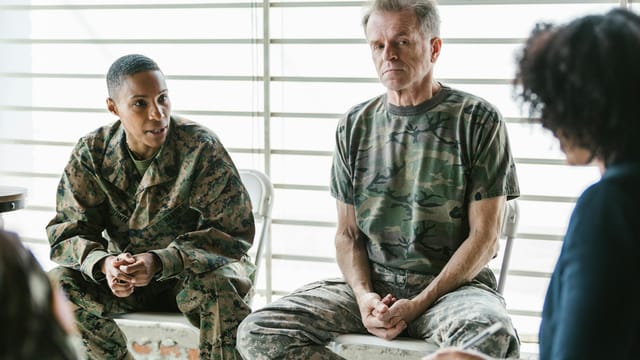
A Letter to Tomorrow: How a PLA ‘Time Post Office’ Is Turning Personal Promises into Unit Performance
A battalion in the PLA’s 75th Group Army runs a ‘Time Post Office’ in which soldiers write letters to their future selves and open them a year later to assess progress. The unit reports a greater-than-90-percent completion rate and uses mentoring, periodic reviews and public recognition to convert personal goals into improved skills and cohesion.
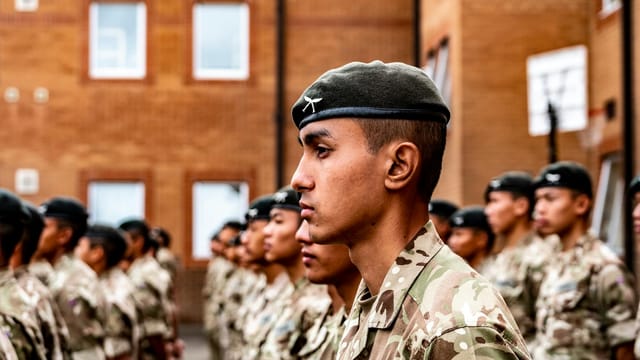
First Homecoming in Uniform: A Mother's Tears and the Politics of Military Image-Building in China
A China military outlet published footage of a young serviceman's first homecoming, showing his mother in tears. While emotionally simple, the story illustrates Beijing's ongoing use of family-focused narratives to bolster military morale, recruitment, and domestic legitimacy amid demographic and political pressures.