
# nuclear%20talks
Latest news and articles about nuclear%20talks
Total: 34 articles found
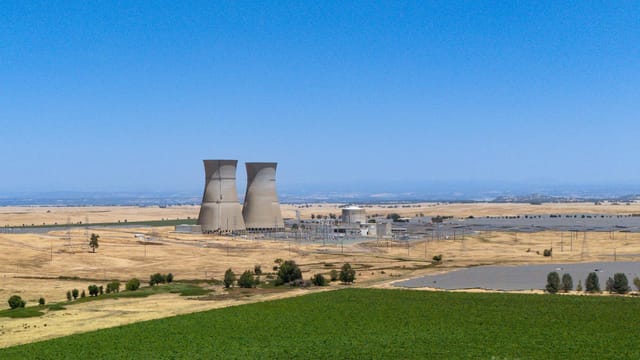
Trump Stakes Diplomacy on Coercion as Geneva Talks With Iran End in Standoff
The Geneva nuclear talks ended without agreement as US military deployments and Iranian naval drills hardened positions on both sides. Fundamental disagreements over Iran’s nuclear and missile programmes, Israeli security demands, and the timing of sanctions relief mean the risk of escalation remains high unless negotiators find a politically credible compromise.
Trump Sets One‑Month Deadline for Iran Deal as Tehran Says No U.S. Message Was Sent
President Trump has set a roughly one‑month timeline for a U.S. deal with Iran, warning of severe consequences if talks fail. Iran says it received no direct U.S. message — only Omani notes — and both sides say they want to continue indirect negotiations while conducting internal consultations. The mix of public ultimatums, Israeli red lines and a stepped‑up U.S. military presence raises the risk that diplomatic pressure could harden stances or lead to escalation.
Carrier Strikes and Street Art: How Washington and Tehran Are Betting on Brinkmanship
A U.S. carrier strike group’s deployment to the Arabian Sea and high‑profile aerial operations have coincided with a breakdown in U.S.–Iran talks, prompting Tehran to answer with dramatic public propaganda and heightened military readiness. Both capitals face a strategic bind: Washington can project overwhelming conventional power but lacks a clear, achievable objective that won’t trigger wider conflict; Tehran cannot match U.S. forces but can raise costs through asymmetric means, particularly by threatening the Strait of Hormuz.
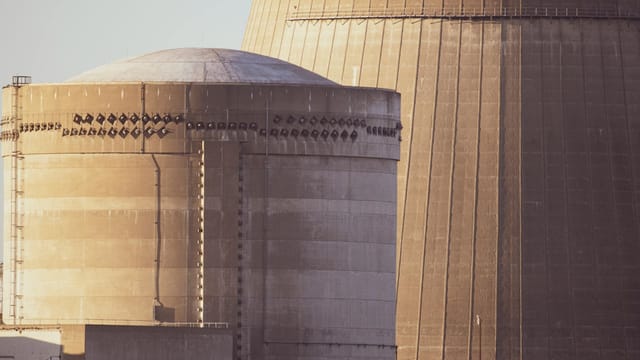
Iran’s Foreign Minister Says a “Fair” Nuclear Deal with Washington Is Feasible — but Not at the Cost of Sovereignty
Iran’s foreign minister said a deal with the United States over Iran’s peaceful nuclear programme is possible if it is “fair and balanced” and provides credible security guarantees. The comments, made on the Revolution anniversary, come after indirect talks in Oman and high-level consultations in Washington and underscore both diplomatic openings and domestic constraints on any agreement.
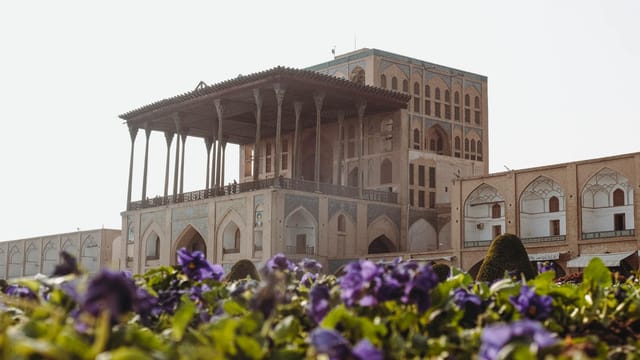
Iran’s Larijani Says US Is ‘Turning to Reason’ as Tehran Warns Israel Against Sabotage of Talks
Ali Larijani, Iran’s chief security adviser, said indirect talks with the United States continue and signalled that American engagement indicates a move toward pragmatism, while warning that Israel is trying to undermine the negotiations. Meeting Qatar’s leaders, Larijani said Iran has not received concrete US proposals and reiterated that an attack on Iran would bring retaliatory strikes on US bases in the region.
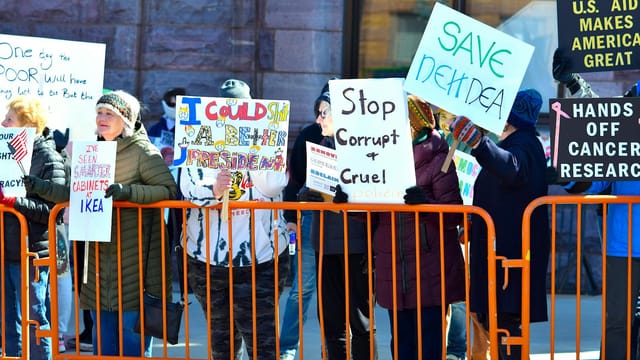
Trump Weighs Sending Second Carrier to Middle East as Iran Talks Hang in Balance
President Trump said he may send a second aircraft carrier strike group to the Middle East as a contingency if talks with Iran fail, even as indirect negotiations continue after meetings in Muscat. The planned deployment would signal U.S. resolve but risks creating coverage gaps elsewhere and heightening the chance of escalation.
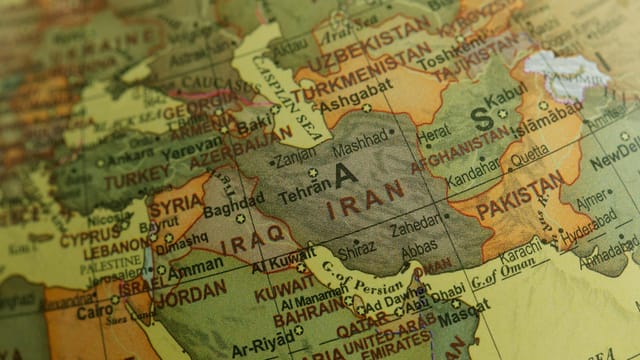
Muscat Talks Signal New U.S.–Iran Dialogue Track, Raising Hopes — and Risks — for De‑Escalation
A first round of indirect U.S.–Iran nuclear talks in Muscat has produced unusually positive public signals from both sides and appears to have established a new, more visible dialogue mechanism under Omani mediation. While this reduces short‑term escalation risks, substantive agreement will be hard to achieve quickly given domestic constraints and regional spoilers.
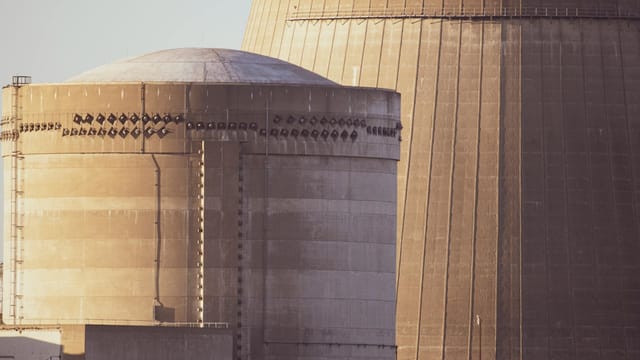
Iran's Dual Track: Offering Dialogue While Drilling In for a Fight
Iran is simultaneously signaling willingness to negotiate with the United States over nuclear issues while publicly reaffirming military readiness and core red lines. Regional intermediaries like Oman are facilitating indirect talks, but continuing US pressure and Israeli demands risk undermining progress unless both sides adopt reciprocal confidence‑building measures.
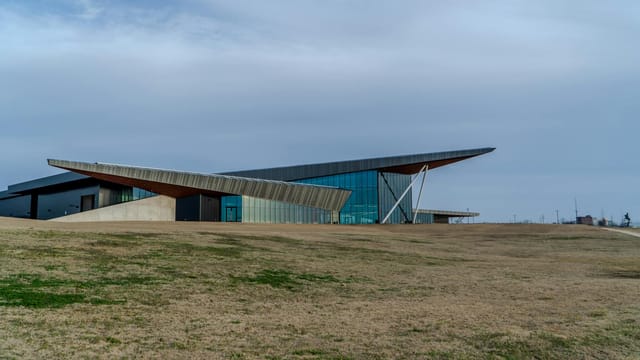
Iran’s Larijani Warns Washington to Snub Israeli Pressure on Nuclear Talks Ahead of Netanyahu Visit
Ali Larijani, Iran’s Supreme National Security Council secretary, publicly urged the U.S. to be wary of Israel’s influence as Prime Minister Netanyahu heads to Washington, accusing Israel of a ‘‘destructive’’ role in shaping nuclear-talks frameworks. The warning highlights Tehran’s concern that Israeli pressure could skew U.S. policy on Iran’s nuclear program and complicate diplomacy.
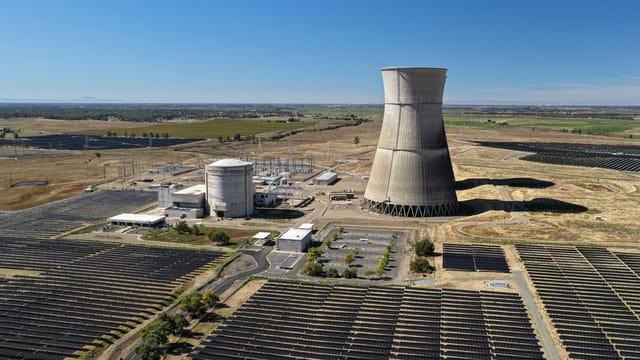
Iran’s Two‑Track Play: Negotiating Nuclear Talks While Posturing for War
Iran has adopted a deliberate two‑track approach: signalling willingness to negotiate on the nuclear file while visibly reinforcing military readiness and red lines. Analysts advise focusing on incremental, verifiable nuclear concessions, reciprocal confidence‑building measures and broader international mediation to avoid a dangerous breakdown in talks.
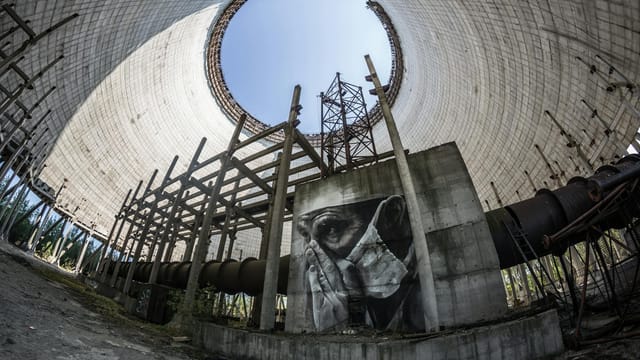
Iran Signals Flexibility on Enrichment but Warns Talks May Move as Muscat Round Ends
Iran signalled cautious flexibility in indirect talks with the United States, saying the second round’s venue may change while reiterating opposition to exporting uranium but openness to reduced enrichment levels. Tehran stressed it does not want regional war but warned that U.S. military action would complicate negotiations, which remain contingent on an environment free of threats and pressure.

UN Chief Welcomes Resumption of Iran–US Talks, Offering a Sliver of Diplomatic Momentum
The UN Secretary‑General welcomed the resumption of talks between Iran and the United States, a move that opens a modest diplomatic window. While symbolic and potentially stabilising for the region, meaningful progress will face significant political and technical hurdles and is likely to be slow and incremental.