
# regional%20security
Latest news and articles about regional%20security
Total: 30 articles found
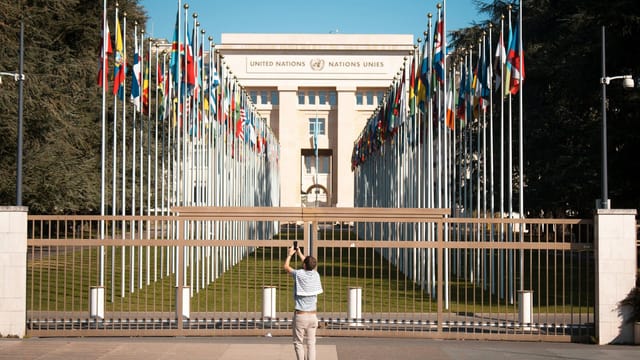
Iran Says It Has a Deal Plan but Doubts U.S. Intentions Ahead of Geneva Talks
Iran says it has a negotiation plan ready for Geneva talks with the United States but expresses skepticism about U.S. commitment, noting Washington has accepted that Iran will not be required to halt enrichment or export nuclear material. Tehran also seeks to exclude missile and broader regional issues, particularly concerns about Israel, from the nuclear agenda.

Standing Watch While Others Feast: China Coast Guard Patrols the South China Sea Over Lunar New Year
China Coast Guard vessels, including the ship Yongshu, remained on patrol across the South China Sea during the Lunar New Year, conducting drills, evidence-gathering with drones and long deployments without shore contact. The missions blend operational preparedness with domestic political messaging about defending maritime rights while crews endure weeks away from home.
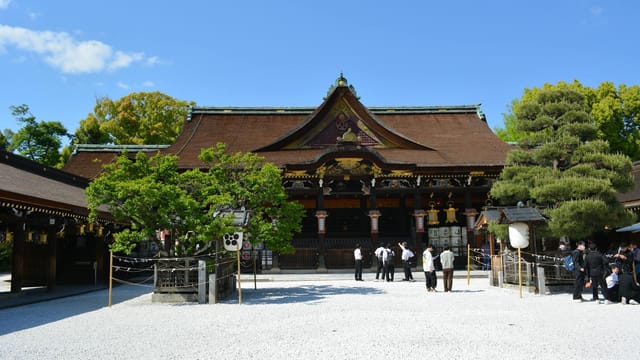
Japan’s Leader Seeks a “Suitable Environment” for Yasukuni Visits — and Regional Trust Is the Casualty
Japanese prime minister Sanae Takaichi said she is trying to create a “suitable environment” for visiting Yasukuni Shrine and expects neighbouring countries to understand. The statement signals an effort to normalize a contentious nationalist symbol that enshrines Class-A war criminals and is likely to aggravate tensions with China and South Korea while complicating regional cooperation.
Iran’s Larijani Warns Washington to Snub Israeli Pressure on Nuclear Talks Ahead of Netanyahu Visit
Ali Larijani, Iran’s Supreme National Security Council secretary, publicly urged the U.S. to be wary of Israel’s influence as Prime Minister Netanyahu heads to Washington, accusing Israel of a ‘‘destructive’’ role in shaping nuclear-talks frameworks. The warning highlights Tehran’s concern that Israeli pressure could skew U.S. policy on Iran’s nuclear program and complicate diplomacy.
Iran’s Two‑Track Play: Negotiating Nuclear Talks While Posturing for War
Iran has adopted a deliberate two‑track approach: signalling willingness to negotiate on the nuclear file while visibly reinforcing military readiness and red lines. Analysts advise focusing on incremental, verifiable nuclear concessions, reciprocal confidence‑building measures and broader international mediation to avoid a dangerous breakdown in talks.
Iran Puts Air Force on Highest Alert, Sending a Regional Deterrence Message
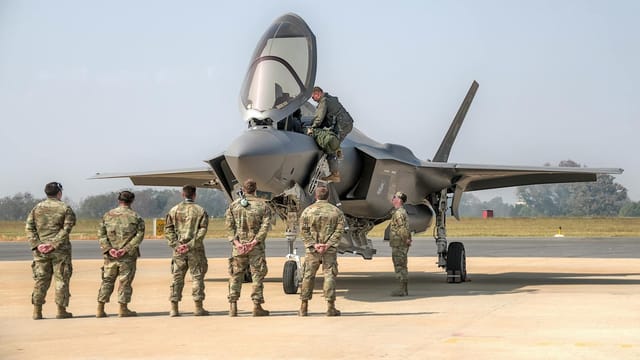
Iran’s armed forces chief of staff announced that the air force is at the highest state of readiness, presenting the posture as defensive deterrence while warning adversaries of severe consequences for aggression. The move signals Tehran’s intent to shape regional calculations amid ongoing tensions with the US, Israel and Gulf states, and raises the risk of miscalculation if actions follow the rhetoric.
Talks in Muscat Test Iran‑US Divide as Tehran Bars Missile Agenda
Iran and the United States will meet in Muscat to discuss nuclear issues, but Tehran insists the agenda exclude its ballistic‑missile programme, which Washington wants included. The clash over scope reflects deeper strategic disagreements and raises the likelihood that talks will be limited unless both sides accept sequencing or parallel tracks.
Sisi and Erdoğan Move From Rhetoric to Realpolitik as Cairo and Ankara Pledge Closer Strategic Ties
Egyptian President Abdel Fattah el-Sisi and Turkish President Recep Tayyip Erdoğan met in Cairo on 4 February and pledged to deepen strategic cooperation to address rising regional tensions. The public rapprochement between historically adversarial capitals signals a pragmatic pivot aimed at managing crises such as the Gaza conflict, Libya and wider eastern Mediterranean flashpoints.
Gulf States Coax Washington Back to the Table — Iran Talks Restored, Moved to Oman
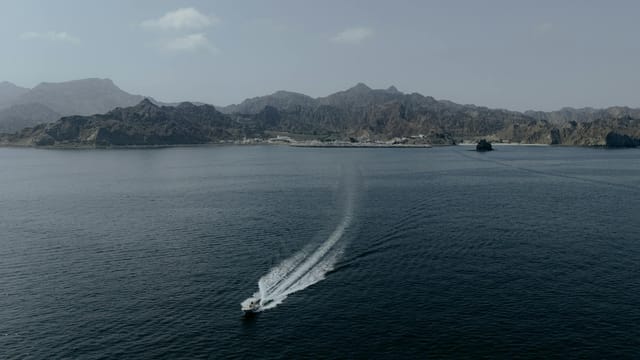
After urgent lobbying by multiple Middle Eastern leaders, the U.S. agreed to restore Iran talks scheduled for February 6 and move the meeting to Oman. Regional pressure sought to prevent a cancellation that might have increased the likelihood of military action, but U.S. officials remain sceptical about the talks' prospects.

Tokyo’s “Existential Crisis” Rhetoric on Taiwan Raises Stakes — and Questions About Motives
Hardline Japanese rhetoric framing Taiwan as an “existential” security concern has reignited debate over Tokyo’s military role and constitutional limits. The language reflects both electoral tactics and substantive policy shifts — higher defence spending, island missile deployments and moves to enshrine the Self-Defense Forces — that raise regional tensions and the risk of miscalculation with China.

Japan’s Remilitarisation Moment: Takaichi’s Drive to Put the Self‑Defense Forces Into the Constitution
With the election days away, Sanae Takaichi’s surge in the polls has elevated constitutional revision and the formal enshrinement of the Self‑Defense Forces into central campaign issues. A parliamentary supermajority would make amendment feasible, with wide implications for domestic politics and regional security, drawing sharp responses from China and Russia.
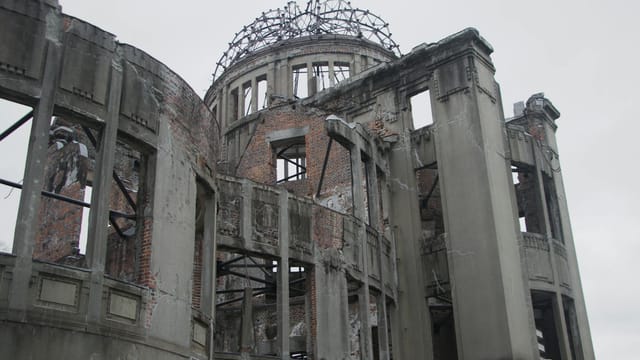
African voices warn Japan’s hawkish turn risks unraveling the post‑war order
African public figures have criticised remarks by Japan’s Prime Minister Sanae Takaichi and Tokyo’s perceived tilt toward military expansion as threats to the post‑World War II international order. Their comments highlight wider anxieties about remilitarization, colonial nostalgia, and possible ramifications for regional stability around Taiwan and East Asia.