
# supply%20chain
Latest news and articles about supply%20chain
Total: 59 articles found

China’s ‘Pork Queen’ Goes Public: Qian Da Ma’s IPO Is a Bet to Rescue a Thin‑Margin Fresh‑food Empire
Qian Da Ma, China’s largest community fresh‑food chain by store count in South China, has filed to list in Hong Kong as it confronts slowing revenue, thin margins and heavy debt. The IPO seeks funds to deepen supply‑chain capacity, refine store economics and resume controlled expansion beyond its southern stronghold.

Maotai Soars as Mid‑Tier Liquor Plummets: How China’s New‑Year Spirits Trade Is Splitting Along Channel Lines
As Lunar New Year approaches, premium Feitian Maotai has seen a sharp price rise and rapid sell‑outs, while some regional and mid‑range baijiu brands crashed after sudden factory releases. Instant‑retail platforms such as Meituan are undercutting traditional alcohol shops, pushing merchants to prioritize cash preservation and minimal stocking over speculative inventory plays.

Tesla Goes Hunting for Talent as Musk Bets on a 100GW U.S. Solar Push
Tesla has started recruiting senior engineers and scientists to scale up U.S. solar module manufacturing as part of Elon Musk’s 100GW deployment target, with an internal deadline of the end of 2028. The effort confronts a domestic shortage of cell production, entrenched Chinese dominance, and the political and technical obstacles that have stymied past U.S. solar manufacturing plans.

Washington Lines Up 30 Allies and $12bn Stockpile to Blunt China’s Rare-Earth Leverage
The U.S. has launched a diplomatic and financial effort to reduce reliance on Chinese-controlled processing of critical minerals by creating a roughly 30-country partnership and a $12 billion stockpile. Short-term measures can mitigate shocks, but long-term resilience requires building refining capacity, recycling and sustained industrial investment that cannot be solved by hoarding alone.
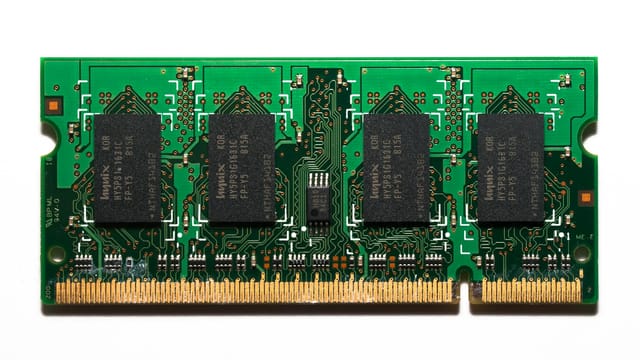
Memory-Led Boom: Semiconductor Revenues Poised to Cross $1 Trillion on AI and Storage Strength
Omdia forecasts that the semiconductor industry will surpass $1 trillion in revenue by 2026, propelled primarily by a storage-led recovery and stronger AI deployment. The rebound is heavily concentrated in memory chips, while non-memory segments show only modest growth, raising questions about cycle concentration and supply-chain risk.

Meituan’s Defensive Buy: How a 5 Billion‑Yuan Purchase of Dingdong Rewrites China’s Instant‑Retail Map
Meituan’s 5 billion‑yuan acquisition of Dingdong Maicai ends the start‑up’s independent run and reflects a defensive, strategic push in China’s instant‑retail wars. The deal gives Meituan regional market share, warehouses and a curated sourcing capability, but integration risks diluting Dingdong’s locally tuned advantages as the sector consolidates ahead of another likely subsidy‑driven showdown in summer 2026.
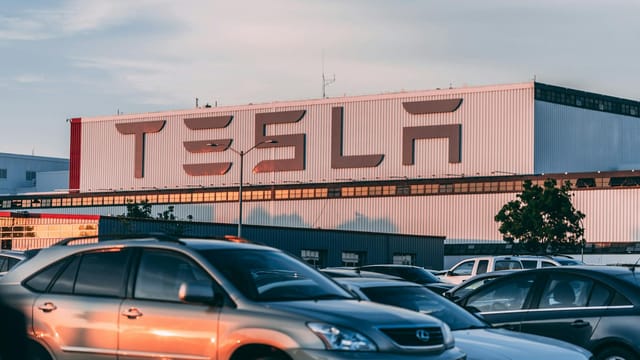
Big Recall, Local AI: China’s Auto Market Grapples with Safety and a New Wave of On‑shore Autonomy Training
FAW‑Volkswagen has recalled 206,012 domestically produced Audi Q2L cars over adhesive failures that can cause C‑pillar covers to detach. At the same time Tesla has activated a China‑based AI training centre to tailor driver assistance systems to local conditions. Together these developments illustrate the tension between fast localisation of manufacturing and the push to develop on‑shore AI capabilities for autonomy.

Infineon hikes prices on select chips from April 1 — a fresh squeeze on auto and electronics supply chains
Infineon has announced a price increase for some of its semiconductor products effective April 1. The move is likely to raise costs for automotive and electronics manufacturers, prompting sourcing and inventory adjustments and adding impetus to domestic chip localisation efforts in China.

Beijing’s Economists Push a New Playbook: Diversify, Rebuild Confidence and Green the Supply Chain
At NetEase’s 2026 economists’ conference in Beijing, officials, academics and business leaders argued that China’s next growth phase requires diversified, symbiotic policy: bolster household confidence with social and fiscal measures, pivot toward consumption and services, manage US trade frictions pragmatically, and accelerate credible green supply‑chain transition. The forum stressed that technology and AI pose both productivity opportunities and risks to human skills, while corporate ESG work faces significant implementation hurdles.

Japan Declares Breakthrough in Deep‑sea Rare‑earth Harvesting as Beijing’s Export Curbs Bite
Japan says it has successfully retrieved rare‑earth mud from seabed deposits near Minami‑Tori‑Shima and hopes to begin commercial mining by February 2027 if trials continue to succeed. The move is partly a response to China’s recent export controls, but technical, financial and environmental barriers make the 2027 timeline ambitious.
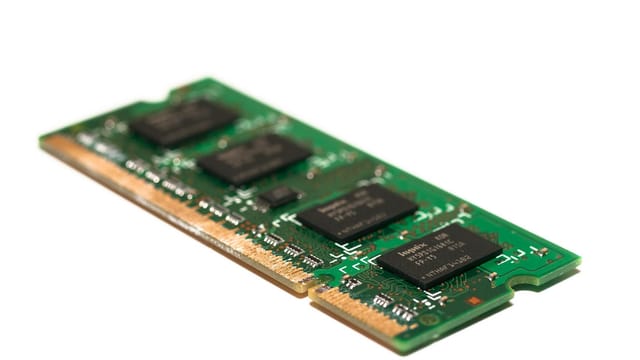
Smartphone Recovery Delayed Until Late 2027–Early 2028, Forcing OEMs to Trade Off Cost, Performance and Innovation
Counterpoint Research warns that the smartphone market will not normalise before late 2027 and could stretch into early 2028 as rising storage‑chip costs and weak demand squeeze margins. OEMs are responding by cutting models, delaying launches, optimising high‑end configurations and considering cloud offload to reduce hardware pressure.

China’s Mulinsen Posts First Annual Loss Since Listing as It Buys Upstream LED Chipmaker
Mulinsen (木林森) warned of its first annual loss since going public in 2015, forecasting a 2025 net loss of 11–15 billion yuan. The company is simultaneously buying a controlling stake in Purui Optoelectronics to secure LED chip and packaging capabilities, a long-term strategic bet that won’t offset near-term financial pain.