
# transatlantic%20relations
Latest news and articles about transatlantic%20relations
Total: 14 articles found

Munich’s Silent Schism: A Quiet Turning Point in Transatlantic Security
The 62nd Munich Security Conference exposed a quieter, deeper rift between the United States and Europe over the distribution of security responsibilities and the future of the Western order. European leaders publicly signalled a push toward greater strategic autonomy even as they remain materially dependent on US security guarantees, while civil society protests underscored domestic opposition to expanded militarisation.
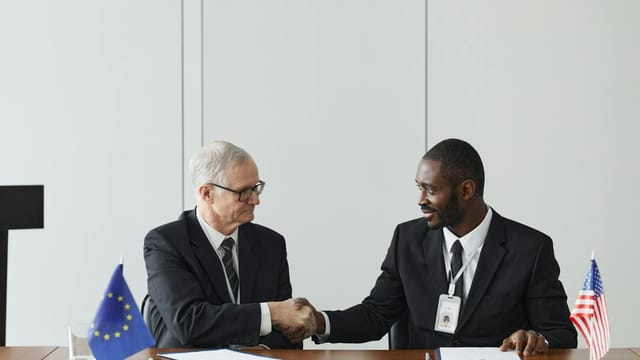
Munich Aftermath: A Frayed Transatlantic Order and Europe’s Drift Toward Strategic Autonomy
The 62nd Munich Security Conference exposed widening fissures in transatlantic relations: conciliatory rhetoric from the United States masked hardline policy demands, while European leaders signalled growing interest in strategic autonomy — including preliminary talks on nuclear deterrence. The old post–Cold War order that sustained U.S.–Europe cooperation is fraying, forcing Europeans to weigh deeper defence integration against continued reliance on American security guarantees.

Munich Security Conference Closes Under a Shadow of Transatlantic Strain
The 62nd Munich Security Conference ended on 15 February with transatlantic tensions prominent throughout the event. Debates over burden‑sharing, approaches to Russia and China, and the limits of U.S. reliability highlighted growing strategic divergences between Europe and America.

At Munich Security Conference, Merz Urges Europe to Build ‘Strategic Autonomy’ Amid Great‑Power Strains
At the Munich Security Conference, German Chancellor Friedrich Merz urged Europe to accelerate the development of strategic autonomy in response to Russia’s war in Ukraine, U.S.–China rivalry, and fragile transatlantic guarantees. The call signals a shift toward concrete investment in defence, supply‑chain resilience and industrial cooperation, while highlighting the challenge of balancing autonomy with transatlantic partnership.

Thousands of Danish Veterans Stage Silent March to Protest Trump’s Dismissal of Allied Troops
On 31 January, thousands of Danish veterans and civilians held a silent march to the U.S. embassy in Copenhagen to protest President Trump’s recent remarks belittling NATO allies’ soldiers. The demonstration, led by former service members, signals popular offence in a committed NATO state and highlights the diplomatic strain that hostile rhetoric can impose on alliance cohesion.
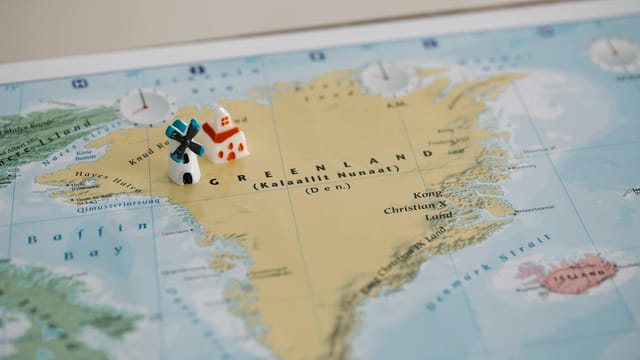
Denmark Draws a Line: Frederiksen Rejects NATO Role in Any U.S.–Greenland Deal
Danish prime minister Mette Frederiksen said NATO must not negotiate with the U.S. on behalf of Denmark or Greenland, insisting sovereignty is a non‑negotiable red line. While open to closer bilateral cooperation with Washington on Arctic security, Copenhagen is coordinating with European partners to safeguard legal and political control over Greenland.

Trump Praises British Troops After NATO 'Off the Front Lines' Remark Sparks Allied Fury
President Trump praised British troops on social media after his remarks in Davos suggesting some NATO partners had stayed “off the front lines” in Afghanistan drew strong criticism from allies. The selective praise, following a phone call with Prime Minister Keir Starmer, was widely interpreted as a partial withdrawal of his earlier comments rather than a full apology, leaving strain with other NATO capitals.
Trump Renounces Force but Revives 'Buy Greenland' Gambit, Deepening Transatlantic Strain
At Davos President Trump said he would not use force to seize Greenland but pressed to negotiate a purchase and suspended planned tariffs on several European countries after talks about an Arctic framework. Denmark and the EU reacted with alarm: Copenhagen rejects the idea of transferring Greenland, Greenland issued civil‑defense guidance, and Brussels convened an emergency summit to consider a unified response.
Trump Declares Greenland Bid 'Irreversible' as Europe Mobilises Against U.S. Pressure
President Trump declared the U.S. pursuit of Greenland "irreversible," refusing to rule out force and threatening tariffs on European countries that oppose the acquisition. The remarks provoked swift condemnation from European leaders, prompted an EU emergency summit and raised questions about NATO cohesion, Arctic security, and the use of economic coercion in foreign policy.
A Transatlantic Test: Greenland, Tariffs and the Strain on NATO’s Foundations
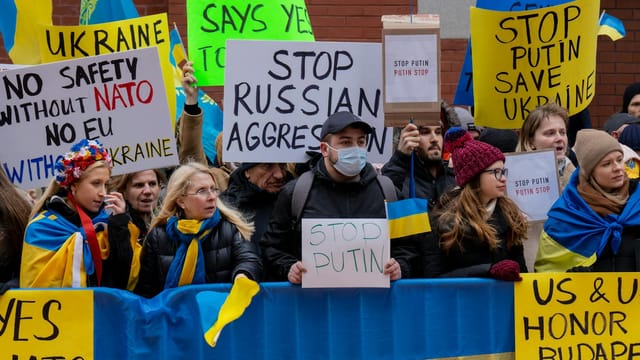
A US threat linking tariffs and territorial demands over Greenland has ignited a transatlantic dispute that tests NATO’s foundational premise: that allies do not coerce one another with force. European states have protested, sent symbolic military contingents to Greenland and accelerated talks about strategic autonomy, raising the prospect that NATO’s character could shift from mutual defence to a more transactional arrangement.

Denmark Stays Away From Davos as Greenland Dispute Deepens Transatlantic Rift
Denmark will not attend the World Economic Forum in Davos this week amid a dispute sparked by U.S. tariffs tied to President Trump’s demand that the U.S. be allowed to purchase Greenland. European governments have condemned the move as damaging to transatlantic relations, raising the prospect of diplomatic and trade escalation.
EU Emergency Talks Expose Rift Over Response to U.S. Tariff Threats
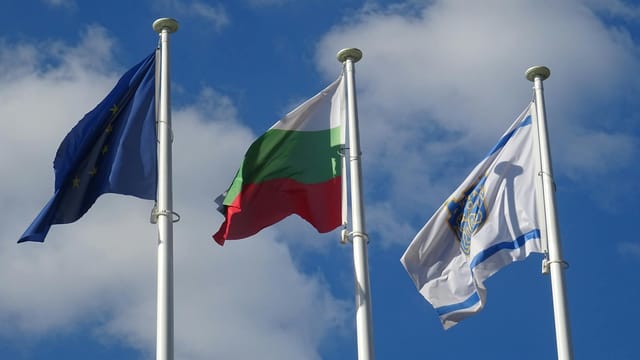
EU ambassadors held an emergency meeting after U.S. tariff threats tied to the Greenland dispute, but failed to agree on activating the bloc’s strongest countermeasures. A €93 billion tariff list exists as a deterrent, yet internal divisions — notably between France and Italy — left Brussels favoring delay and diplomacy ahead of a possible leaders’ encounter with President Trump at Davos.