
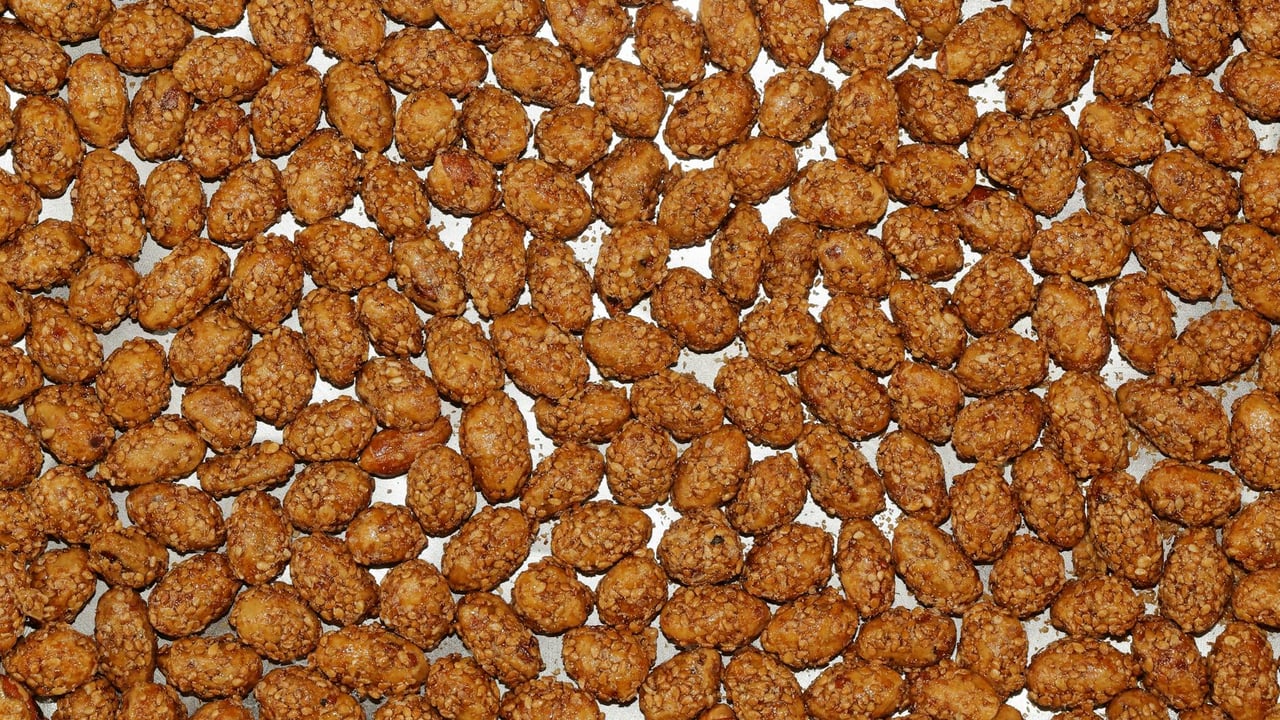

In shopping malls across China, a small, familiar shop has quietly been recast as a temple of taste and conspicuous consumption. What used to be a street‑corner stall selling sunflower seeds and peanuts has been rebadged, repriced and repositioned: polished counters, glossy packaging, free tastings and price tags that read more like jewellery than snacks. Walk into a popular chain today and you can encounter prices ranging from roughly 30–300 yuan a jin (about 60–600 yuan per kilogram, $8–$85/kg), with some boutique items advertised at above 300 yuan/kg.
The phenomenon has a face: Xueji (薛记), nicknamed online as the “roasted‑nut jewellery store,” whose social‑media cachet has made it a shorthand for the sector’s premium turn. Posts on Xiaohongshu and other platforms chronicle shoppers’ astonishment and create a feedback loop of curiosity and aspiration — and, increasingly, incredulity. Other mall staples such as Qiwang, Yili‑style newcomers and long‑standing regional sellers have followed, upgrading store design, packaging and product assortments to chase middle‑class buyers seeking quality, novelty and “joyful” consumption.
The shift is not merely cosmetic. Since about 2018 a cohort of snack brands embraced systematic, standardized and digital operations, moving from roadside stalls and small workshops into shopping centres and shopping apps. Innovation has focused on product breadth — candied fruits, dairy‑infused sweets, and hybrid snacks — and on marketing rhythms that create short, intense “explosion” products that can sell out and generate buzz. Xueji’s 2020 reinvention culminated in a runaway dairy‑date product that went viral and helped finance a broader repositioning of the chain as a lifestyle brand.
Economic forces have reinforced the strategy. The roasted‑nuts and dried‑fruit category benefits from relatively long shelf life and a lower perishability risk than many fresh formats, giving retailers flexibility in inventory and margin management. Industry data show the category’s market has expanded rapidly: the market for China’s nuts and roasted snacks breached 3000 billion yuan in 2024 and is forecast to reach about 4283 billion yuan within five years — a secular growth story that attracts capital, real‑estate spend and product experimentation.
That expansion explains why operators are willing to treat store real estate, merchandising and sampling like luxury retail. But the premiumisation comes at a cost: higher retail prices, amplified expectations and greater exposure to reputational risk. Many shoppers who once treated roasted nuts as cheap, social food now report cognitive dissonance at paying sums that rival a mid‑range meal. Consumer reactions have ranged from bemused thriftiness — tiny scoops, gloved sampling, and hunting for lower‑priced alternatives — to public mockery on social platforms.
Retail dynamics heighten the stakes. Brands that win by creating scarcity, novelty and demonstrable quality can command price premiums, but copycats and rapid retail expansion threaten that exclusivity. Analysts and industry reports note growing concerns about product homogeneity and the difficulty of sustaining fast innovation across a proliferating roster of SKUs. Meanwhile, rising input costs, inflationary pressure and deliberate price adjustments — Three Squirrels announced supply‑price hikes for some lines from November 2025 — mean consumers are confronting still more frequent sticker shocks.
There are precedents for the backlash that premiumisation invites. Chinese food and beverage brands that pushed prices beyond consumers’ perceived value have, at times, encountered sudden reputational and revenue contractions. If roasted‑nut retailers fail to keep product quality, service standards and novelty aligned with price, they risk being judged expensive rather than desirable. For now, however, the category’s everyday penetration is notable: surveys show most buyers spend modest sums monthly (20–100 yuan) and purchase nuts regularly, suggesting premiumisation coexists with habitual, mass consumption.
For observers of China’s consumer economy, the roasted‑nut story is a useful microcosm. It demonstrates how an ordinary, low‑margin category can be reimagined through branding, retail design and social media, and how that reimagining depends on coherent supply‑chain upgrades and product innovation. It also underscores the fragility that accompanies rapid commercial success: when everyday comforts are reframed as status goods, the risk of a corrective reaction from thriftier or value‑hungry consumers is never far away.