
Technology News
Latest technology news and updates
Total: 510

China’s EVs Are Trying to Turn Cars into ‘Robots’ — But the First Step Is the Hardest
China’s Li Auto and Xpeng are reorganising to build ‘car robots’ by fusing smart cockpits and autonomous driving onto a shared AI platform. Technical, safety and organisational barriers mean the transition will be incremental: common base models and compute may be shared, but driving functions will require strict isolation and staged deployment in low-risk scenarios.
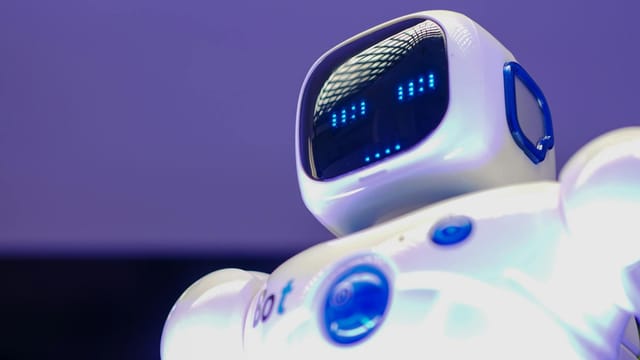
Hangzhou Doubles Down on ‘AI + Scenes’: Municipal Innovation Centre to Fast‑Track Real‑World AI Applications
Hangzhou’s Market Scene Innovation Center, founded in July 2025 and backed by municipal investment and data groups, is accelerating deployment of AI applications by providing real‑world municipal scenarios, financing and data access. The initiative aims to turn early‑stage AI ideas into scalable products while competing with cities such as Hefei and Shenzhen for national recognition and support.

Tencent’s Yuanbao Restores Red‑Packet Sharing to WeChat as App Update Reopens Copying of Codes
Tencent updated its Yuanbao app on February 7 to allow sharing red‑packet links into Yuanbao Pai and restored WeChat’s ability to copy Yuanbao red‑packet passcodes after a brief period when such codes were non‑copyable. The move reverses a constraint introduced on February 6 that had curbed how third‑party services distribute viral red‑packet promotions through WeChat.

WeChat Clips Tencent’s Yuanbao in China’s AI ‘Red‑Envelope’ War — A Lesson in Platform Governance
WeChat has blocked in‑chat links from Tencent’s AI app Yuanbao for using share mechanics that the platform said induced excessive forwarding and harmed user experience, forcing Yuanbao to change its sharing approach. The enforcement, which also affected Baidu and Alibaba apps, underscores how platform governance and ecosystem fit now matter as much as model performance or marketing spend in China’s heated AI ‘red‑envelope’ competition.

Unauthorized AI Lunar‑New‑Year Greeting Videos Surge in China, Raising Legal and Trust Questions
AI‑generated Lunar New Year greeting videos are proliferating on Chinese social media without the consent of depicted individuals. While major platforms are adding watermarks, contractual bans and automated detection, many open‑source tools lack safeguards, creating civil, reputational and criminal risks and exposing broader governance gaps around synthetic media.

EU Flags TikTok for 'Addictive' Design — Beijing‑linked App Pushes Back as Regulators Close In
The EU has characterised TikTok’s product features as exhibiting ‘addictive’ design, prompting a swift rebuttal from the app and signaling escalated regulatory pressure in Brussels. The move could force design, algorithmic and safety changes with broad implications for TikTok’s revenues and for global tech regulation.

EU Flags TikTok’s ‘Addictive’ Design, Threatens Billions in Fines and Forced UX Changes
The European Commission has preliminarily concluded that TikTok’s design features, including autoplay, recommendation systems and a gamified rewards scheme in TikTok Lite, foster addictive behaviour and violate the Digital Services Act. Brussels has proposed design remedies and warned of fines up to 6% of global turnover; TikTok rejects the findings and plans to challenge them. The dispute forms part of a broader global push to curb minors’ exposure to social platforms and tests the EU’s power to regulate product design.

Xiaomi’s Robotics Team Unveils TacRefineNet — Millimetre-Scale Tactile Pose Refinement Without Vision
Xiaomi’s robotics team unveiled TacRefineNet, a tactile‑only pose refinement model that can reduce grasping errors to millimetre precision without cameras or 3D object models. Demonstrated in both simulation and real‑world tests on automotive parts, the open publication of technical details could accelerate industrial adoption—provided hardware durability and generalisation challenges are addressed.
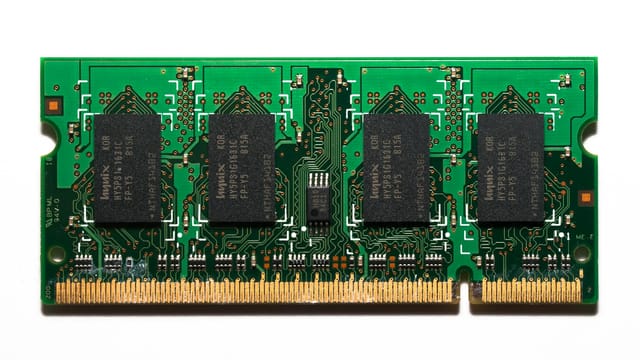
Memory-Led Boom: Semiconductor Revenues Poised to Cross $1 Trillion on AI and Storage Strength
Omdia forecasts that the semiconductor industry will surpass $1 trillion in revenue by 2026, propelled primarily by a storage-led recovery and stronger AI deployment. The rebound is heavily concentrated in memory chips, while non-memory segments show only modest growth, raising questions about cycle concentration and supply-chain risk.

OpenClaw and the Dawn of 'Agent' Economics: AI That Runs Your Computer — and Rents Your Time
OpenClaw, an open‑source AI agent that can execute system‑level tasks and retain long‑term memory, has catalysed a new agent ecosystem and revived investor fears that autonomous agents will disrupt traditional software business models. The rush to deploy agents has produced parallel waves of innovation, market volatility and security warnings, forcing firms and regulators to confront questions about control, accountability and the future of paid and unpaid labour.

China Tests Reusable Spacecraft from Jiuquan, Signalling Push for Lower‑cost, Rapid‑response Space Capabilities
China launched a reusable experimental spacecraft on February 7 from Jiuquan atop a Long March‑2F rocket to carry out technology verification tests. The mission advances Beijing's push for lower‑cost, higher‑cadence access to space and carries both civilian and strategic implications.

OpenClaw and the 'Agent' Era: When AI Starts Running Your Computer — and Hiring People
OpenClaw, an open‑source AI agent that can run on users' computers and remember long interactions, has catalysed a new ecosystem of agent services and marketplaces, while also triggering major security warnings and a sell‑off in software stocks worried about a structural threat to subscription models. The technology promises productivity gains but forces companies and regulators to confront novel cybersecurity, liability and economic questions.